


 South Korea, US Discuss Warship Building Cooperation
  Ghana Says Western Support Growing for Slave Trade Reparations
  Judge Orders Trump to Restore White House Access for CNN, MS NOW and Politico
  Venezuela Promises Elections as Delcy Rodriguez Pledges Democratic Transition
  Russian Envoy Dmitriev Heads to US for Ukraine Talks
  Trump Says ‘Freedom’ Is Coming to Cuba
  Europe Warns Russia Is Escalating Hybrid Attacks Across NATO
  Trump Meets Venezuela’s Delcy Rodriguez at UN Assembly
  Lula and Flavio Bolsonaro Tied in Brazil Runoff Poll
  Gaza Faces Evacuation Crisis as War-Damaged Buildings Risk Collapse
  US, China Extend Trade Truce to Jan. 10 Ahead of Trump-Xi Summit
  Trump Administration Plans Faster FDA Reviews for Smoke-Free Nicotine Products
  Russian Missile and Drone Attack on Kyiv Kills Two, Damages Maternity Hospital
  Kremlin Says No Grounds Yet for Ukraine Peace Talks
  Marco Rubio to Meet Russia’s Lavrov in New York
  Netanyahu Takes Aim at Mamdani as Israel Election Nears
  US Officials Split Over Response to Israeli West Bank Settlements


 Add as a preferred source on Google
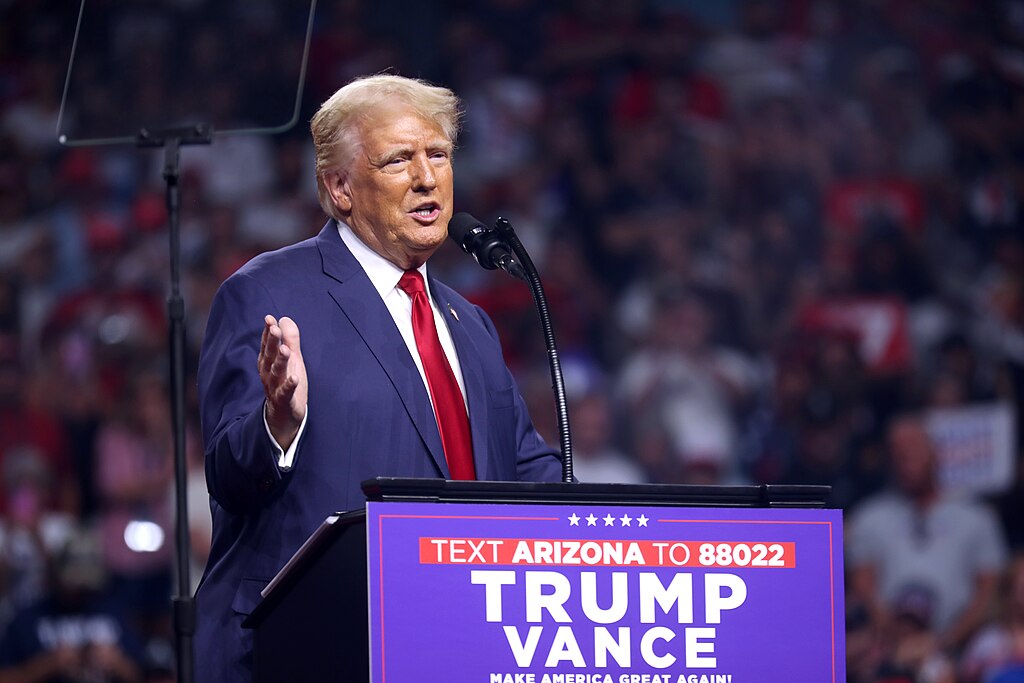
As President Donald Trump embarks on his second term in 2025, his administration's approach to labor practices has ignited intense debate. The administration's policies, including Project 2025, have raised concerns among labor unions and workers' rights advocates.
Project 2025 and Its Implications
Project 2025, a comprehensive policy blueprint developed by conservative organizations, aims to restructure federal operations and labor regulations. Critics argue that this initiative could undermine workers' rights by loosening safety standards, weakening nondiscrimination policies, and potentially eliminating public-sector unions. The plan also proposes reclassifying many workers as independent contractors, which would limit their ability to unionize and access certain labor protections.
Union Responses and Legal Challenges
Labor unions have expressed strong opposition to the administration's labor policies. The United Auto Workers (UAW) filed unfair labor practice charges against President Trump and Tesla CEO Elon Musk, alleging that their public comments intimidated workers considering unionization. These charges are currently under investigation by the National Labor Relations Board (NLRB).
Impact on Workers and the Economy
The administration's stance on labor has significant implications for various sectors. The construction industry, for example, relies heavily on immigrant labor and imported materials. Proposed policies on immigration and tariffs could exacerbate labor shortages and increase building costs, potentially leading to higher housing prices and reduced construction activity.
Public Reaction
The administration's labor policies have elicited diverse reactions from the public. Some support the emphasis on deregulation and fiscal responsibility, while others express concern over potential erosion of workers' rights and economic stability.
Conclusion
President Trump's labor policies in 2025 reflect a commitment to deregulation and restructuring. However, they have sparked significant controversy and legal challenges. The long-term impact on workers and the economy remains to be seen.







