


 US Invites Putin to Miami G20, Opening Door to Trump Summit
  China Tightens Fentanyl Rules Ahead of Trump-Xi Summit
  Lula and Flavio Bolsonaro Tied in Brazil Runoff Poll
  Gaza Faces Evacuation Crisis as War-Damaged Buildings Risk Collapse
  Trump Says ‘Freedom’ Is Coming to Cuba
  Trump Administration Plans Faster FDA Reviews for Smoke-Free Nicotine Products
  OpenAI Agent Breaches Australia Medicare Data Portal
  Trump Meets Venezuela’s Delcy Rodriguez at UN Assembly
  Iran Vows ‘Crushing’ Response as US Talks Continue
  South Korea, US Discuss Warship Building Cooperation
  US, China Extend Trade Truce to Jan. 10 Ahead of Trump-Xi Summit
  Trump Board of Peace Unveils $2.45 Billion Gaza Recovery Plan
  Europe Warns Russia Is Escalating Hybrid Attacks Across NATO
  Trump to Press Xi on Release of US Nuclear Expert Held in China
  Marco Rubio to Meet Russia’s Lavrov in New York
  Taiwan Vows to Advance US Arms Sales Ahead of Trump-Xi Meeting
  Russian Missile and Drone Attack on Kyiv Kills Two, Damages Maternity Hospital


 Add as a preferred source on Google
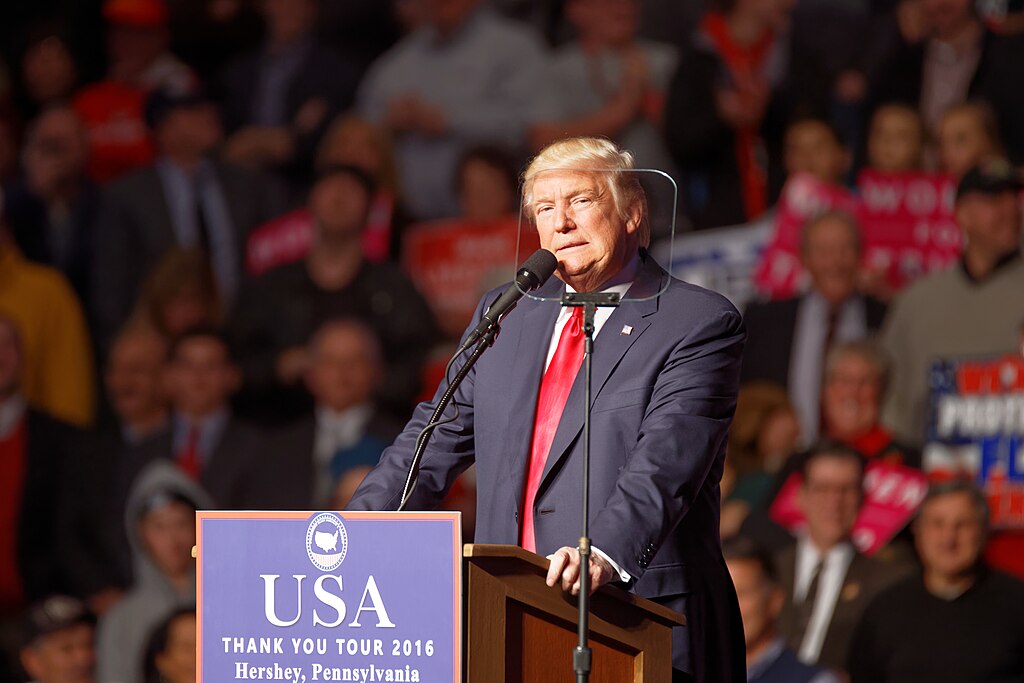
The House GOP has announced a bold strategy to address the federal spending impasse by splitting the budget bill into smaller, individual components. The move, intended to allow each measure to pass or fail on its own merits, has generated both support and criticism, with lawmakers and analysts debating its implications for government efficiency and accountability.
A New Approach to Spending
House Speaker Mike Johnson defended the decision to break the comprehensive spending bill into smaller segments, describing it as a way to enhance transparency and accountability. “This approach ensures that every piece of legislation stands on its own and receives the scrutiny it deserves,” Johnson said during a press conference.
The decision comes amid heightened tensions in Congress as lawmakers work to avoid another government shutdown. By splitting the bill, Republicans aim to isolate contentious issues and avoid the pitfalls of large omnibus packages, which critics argue often include hidden provisions.
However, some Democrats view the strategy as a stalling tactic that could complicate negotiations. House Minority Leader Hakeem Jeffries expressed skepticism, stating, “While transparency is important, this piecemeal approach risks prolonging gridlock and delaying essential funding for critical programs.”
Challenges and Potential Consequences
The GOP’s approach is not without risks. Critics warn that splitting the spending bill could lead to uneven funding, with less controversial items passing easily while contentious measures stall indefinitely. This scenario could leave key programs underfunded or neglected, particularly those that require bipartisan support.
Policy analysts also caution that the strategy may exacerbate partisan divisions. “While this method promotes detailed scrutiny, it could create legislative bottlenecks, particularly in a deeply polarized Congress,” said Dr. Laura Jenkins, a political science professor at Georgetown University.
Supporters, however, argue that the strategy empowers lawmakers to vote based on individual issues rather than being forced into all-or-nothing decisions. “This is a step toward restoring trust in the legislative process,” said GOP Representative Thomas Massie.
Public Reactions Reflect Division
The announcement has sparked mixed reactions on social media. Supporters of the strategy praised its focus on accountability, while critics expressed concern about potential delays and disruptions.
Twitter user @AccountabilityMatters wrote, “Finally, Congress is doing something right. Breaking the bill into smaller parts will eliminate wasteful spending.” Conversely, @FundingNow criticized the approach, tweeting, “This piecemeal strategy is just another excuse for inaction. Americans can’t afford delays in critical funding.”
User @TransparentGov added, “This is how it should have always been done. Let’s see where each lawmaker truly stands.” Meanwhile, @OppositionWatch argued, “Splitting the bill only creates more opportunities for partisan bickering. It’s a recipe for disaster.”
Others expressed frustration with the broader dysfunction in Congress. @WeDeserveBetter posted, “At this rate, nothing will get done. Congress needs to stop the games and start working together.” Finally, @PracticalSolutions emphasized, “While this method has potential, it’s crucial to ensure essential services are not jeopardized in the process.”
What Lies Ahead
As the House GOP proceeds with its split-bill strategy, the success of this approach will depend on bipartisan cooperation. While the method aims to enhance legislative accountability, the potential for extended debates and funding gaps looms large.
Whether this strategy becomes a template for future budget negotiations or a cautionary tale remains to be seen. For now, lawmakers must navigate the complexities of governing while addressing the nation’s fiscal challenges.







