


 Trump Warns China Against Supporting Iran in Xi Talks
  Najib Razak Seeks Stay of 15-Year 1MDB Prison Sentence
  Saudi Arabia, Turkey and Pakistan Plan Urgent Defence Talks Over Houthi Attacks
  Evan Gershkovich Says FSB Set Trap for 2023 Russia Arrest
  Saudi Arabia Shuts East-West Oil Pipeline After Drone Attack
  US Supreme Court Revives Trump Administration Voter Citizenship Database
  US Backs Musk in Fight Against EU’s €120 Million X Fine
  Trump Asks Supreme Court to Restore Third-Country Deportations
  Putin Says Ukraine Peace Proposals Remain on Table
  U.S. Dollar Hits Two-Month High as Oil, Treasury Yields Surge
  Abbas Reaffirms November 28 Palestinian Elections
  FCC Approves Foreign Investment in $110B Paramount-Warner Bros. Deal
  Dollar Falls as Oil Eases, Yen Jumps on Intervention Signals
  US Judge Dismisses Imran Ahmed Deportation Lawsuit
  U.S. Treasury Yields Surge as 30-Year Hits 22-Year High
  Netanyahu Defends Israel at UN as Delegates Stage Walkout
  Japan Private-Sector Growth Slows as Domestic Demand Weakens


 Add as a preferred source on Google
After more than a month of gridlock, there are growing signs that the United States may be nearing an end to one of the longest federal government shutdowns in history. The 34-day standoff between Congress and President Donald Trump has frozen critical operations, delayed paychecks for federal employees, and disrupted programs that support millions of Americans.
The shutdown began on October 1, when lawmakers failed to pass funding legislation for the new fiscal year. The impasse has left around $1.7 trillion in discretionary spending unresolved—about one-third of the nation’s annual budget. Key services, from military pay to airport operations and food assistance for low-income families, have been severely affected.
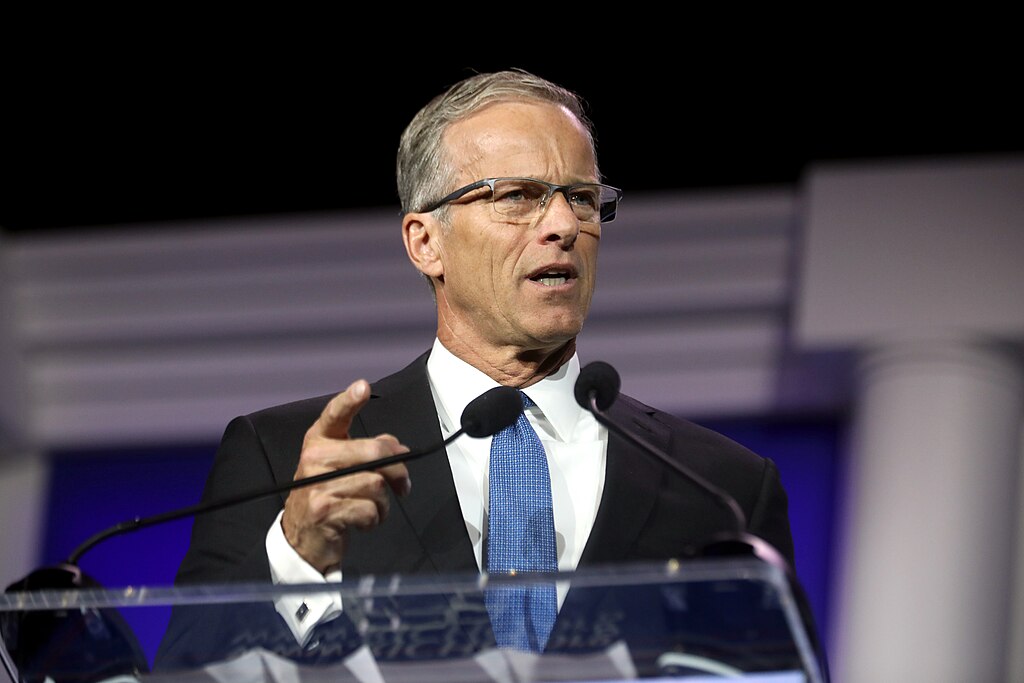
Senate Majority Whip John Thune expressed cautious optimism on Monday, telling reporters, “I’m optimistic,” while admitting that negotiations remain uncertain. His Democratic counterpart, Senator Dick Durbin, shared a similar sentiment, saying he sensed progress but warned that healthcare policy disagreements—particularly around the Affordable Care Act—remain a sticking point.
Senate Appropriations Committee Chair Susan Collins also struck a hopeful tone, citing weekend negotiations and new proposals from Democrats as signs of movement. “It just feels better this week,” she said, though she cautioned that talks could still “fall apart.”
Meanwhile, a bipartisan group of House moderates introduced a compromise proposal extending Affordable Care Act tax credits for two years, while capping benefits for higher-income earners. Lawmakers from both chambers have been meeting privately to find a resolution since early October but have yet to finalize an agreement.
With both parties signaling openness to compromise, Washington appears closer than ever to finding an “off-ramp” from a shutdown that has strained federal workers, disrupted essential programs, and tested the patience of millions of Americans.







