


 Novo Nordisk Raises 2025 Outlook Despite Wegovy Pill Miss and CagriSema Setback
  3 clinical-grade skincare creams you really shouldn’t buy online
  New Mexico Measles Outbreak Cost Reached $5.4 Million, Study Finds
  The government is ‘doubling down’ on its social media ban. But bigger penalties for platforms aren’t enough
  Hanmi Pharm Soars 30% on $2.3 Billion Genentech Obesity Drug Deal
  Eli Lilly Eyes AtaiBeckley Acquisition to Expand Psychedelic Mental Health Pipeline
  RFK Jr. Orders Extended Hantavirus Quarantine for Cruise Passenger
  France Keeps Top Health Alert as Officials Brace for Another Heatwave
  AstraZeneca Shares Sink After Wainua Trial Misses Key Heart Disease Goal
  GSK Reportedly Nears $9 Billion Acquisition of Cancer Drug Developer Nuvalent
  UNAIDS Urges U.S. to Reconsider South Africa HIV Funding Withdrawal
  Alcohol is one of the most dangerous drugs, yet its presence is ubiquitous in social settings and celebrations
  White House Seeks $1.4 Billion to Combat Growing Ebola Outbreak
  Venezuela Earthquake Health Risks Rise as Disease Monitoring Intensifies
  FDA Investigates New Cyclospora Outbreak as U.S. Cases Continue to Rise


 Add as a preferred source on Google
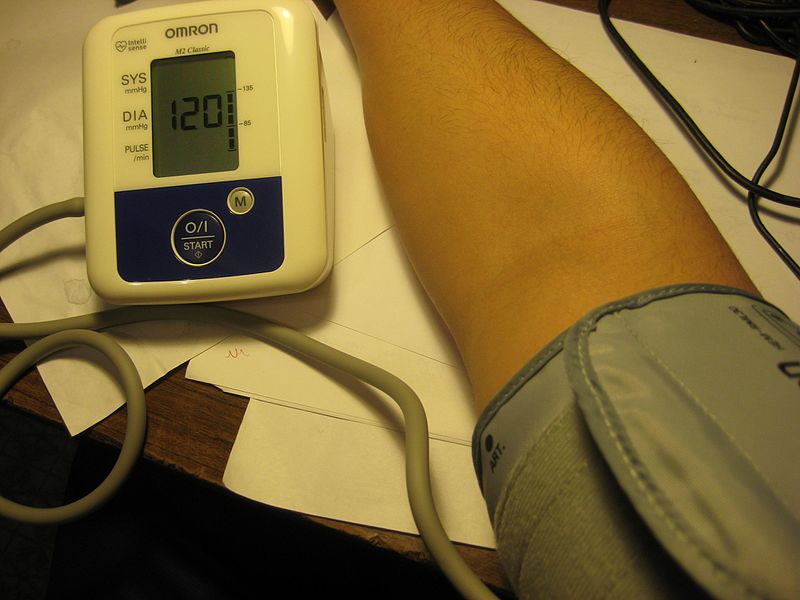
One of the most common heart diseases is high blood pressure. Fortunately, one of the changes that can be made to reduce the risk is by avoiding certain types of food.
Also known as hypertension, high blood pressure is referring to the pressure of your blood cells against the artery walls. It can later result in heart disease due to the damage in blood vessels as well as kidney disease and stroke, among other dangerous diseases. Unfortunately, hypertension is very, very subtle as it has no symptoms, so a person will not be able to notice they have hypertension until later on.
Another thing to note about high blood pressure is that a lot of factors that can result in it are beyond our control. High blood pressure can happen due to age, family history, gender, as well as ethnicity. Fortunately, diet and exercise are factors that can be controlled, diet being the main factor most of all. A diet that is low in sodium and high in fiber, potassium, and magnesium can help keep blood pressure in check.
That being said, here are some of the food and drinks to avoid or at least eat less of to reduce the risk of high blood pressure happening or happening again.
First is salt or sodium in general. Salt and sodium are the big bad when it comes to people who are already suffering from high blood pressure, so limiting sodium intake is very important to reduce the risks. High levels of sodium can be found in processed food as well as the meat in the deli and the salt added in the food served in restaurants and the like.
The second kind of food to avoid or limit is sugar. While excessive sugar is mainly known to result in weight gain and obesity, sugar is also actually something to limit when it comes to high blood pressure. So, carbonated drinks or sugar-sweetened drinks, among many others, are something to limit or avoid as much as possible to reduce the risk of high blood pressure or the dangerous complications that come with it.
The third kind of food to avoid or limit is chicken skin or processed/packaged food. These types of food are high in trans fats and saturated fats. It is best to avoid trans fats and minimize the intake of saturated fats. These can be found in full-fat dairy and red meat, aside from chicken skin.







