


 GLP-1 Weight-Loss Drug Use Surges Among U.S. Children
  SK Biopharmaceuticals Secures Global Rights to Biohaven Epilepsy Drug Opakalim
  Venezuela Earthquake Health Risks Rise as Disease Monitoring Intensifies
  Hanmi Pharm Soars 30% on $2.3 Billion Genentech Obesity Drug Deal
  Novartis Shares Plunge After Muscle Drug Fails Phase III Trial
  AstraZeneca Q2 Earnings Beat Forecasts as Oncology Growth Supports 2026 Outlook
  France Battles Mediterranean Wildfires as Heatwave Fuels Fire Risk
  Novo Nordisk Raises 2025 Outlook Despite Wegovy Pill Miss and CagriSema Setback
  Trump Administration Bars U.S. Travelers From Congo Flights Amid Ebola Outbreak
  Trump Signs Order to Cut Routine Childhood Vaccines
  Hims & Hers Shares Fall as GLP-1 Costs Widen Q2 Loss
  FDA Weighs Safety Standards for Psychedelic Therapies
  Eli Lilly Eyes AtaiBeckley Acquisition to Expand Psychedelic Mental Health Pipeline
  Alcohol is one of the most dangerous drugs, yet its presence is ubiquitous in social settings and celebrations


 Add as a preferred source on Google
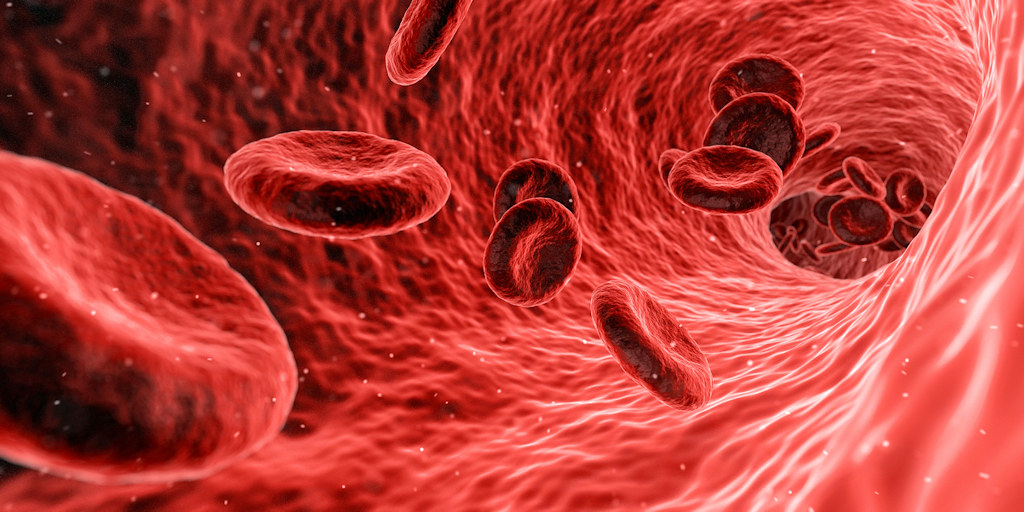
Stomach pain may not just be a simple ailment as it could be a sign that you have cardiovascular disease, or heart disease, or a coronary heart disease.
Because these three terms somehow sound similar, people often use them interchangeably, but the three heart conditions actually differ.
Cardiovascular disease refers to all types of diseases that affect the heart or blood vessels; thus, it includes coronary heart disease, which is the clogging of the arteries that can cause heart attacks, stroke, congenital heart defects, and peripheral artery disease.
A heart disease, on the other hand, refers to all conditions that affect the heart's structure and function. Thus, it is a type of cardiovascular disease, and one example is coronary heart disease.
Aside from a pain in the stomach, other gastrointestinal issues that you also have to watch out for as they may indicate that you have a serious heart condition are abdominal pain, vomiting, stomach bloating, and nausea.
According to the Daily Express, a study with the New England Journal of Medicine noted that many patients who had cardiovascular or heart disease first had themselves checked for indigestion.
Health experts said that people who have a heart condition usually have gastrointestinal issues because the heart cannot pump enough blood throughout the body resulting to slow blood circulation.
The body's chemistry changes from alkaline to acidic as a result of the slow blood circulation. And, once the body is already in an acidic state, organ systems such as the digestive tract will not function properly.
The stomach pain that may indicate that you have a heart condition is described as sharp and sporadic. However, as your heart condition remains untreated, this symptom may become chronic.
Sometimes we are so used to the idea that stomach pain is not serious that we don't pay enough attention to it. However, if the pain occurs on the upper left side section of the stomach, this may indicate bad heart health. Pain may also be felt at the esophageal sphincter.
In addition to abdominal pain, vomiting, stomach bloating, and nausea, you may also be sweating and feel fatigued.
If you have been experiencing these gastrointestinal issues, immediately visit your doctor as it may just save your life.
Image credit courtesy of Mike Goad/Flickr







