


 Airbus Finds A321neo Fuselage Quality Issue
  Synthetic data could ease people’s concerns about privacy breaches. But who gets to create it?
  BlackBerry Shares Rise as Q2 Earnings, Revenue Beat Estimates
  Najib Razak Seeks Stay of 15-Year 1MDB Prison Sentence
  Sudan Rejects US Legitimacy Remarks, Defends Sovereignty
  Ghana Says Western Support Growing for Slave Trade Reparations
  North Korea Warns South Korea Over US-Led Defense Role
  Australia Tightens Student Visa Rules, Targets Migration Cut by 2028
  Trump Scales Back Endangered Species Act Protections
  Xi Calls for Deeper U.S.-China AI Cooperation in Trump Talks
  US Resumes Immigrant Visa Processing for Hungary, Poland
  OpenAI to Preview GPT-6 Cyber AI Model for Cybersecurity
  Akamai Shares Surge on $11.6B Anthropic AI Cloud Deal
  White House Bars CNN, MS NOW and Politico Reporters
  Apple Extends Qualcomm Patent Licensing Deal
  Judge Orders Trump to Restore White House Access for CNN, MS NOW and Politico
  Saudi Arabia, Turkey and Pakistan Plan Urgent Defence Talks Over Houthi Attacks


 Add as a preferred source on Google
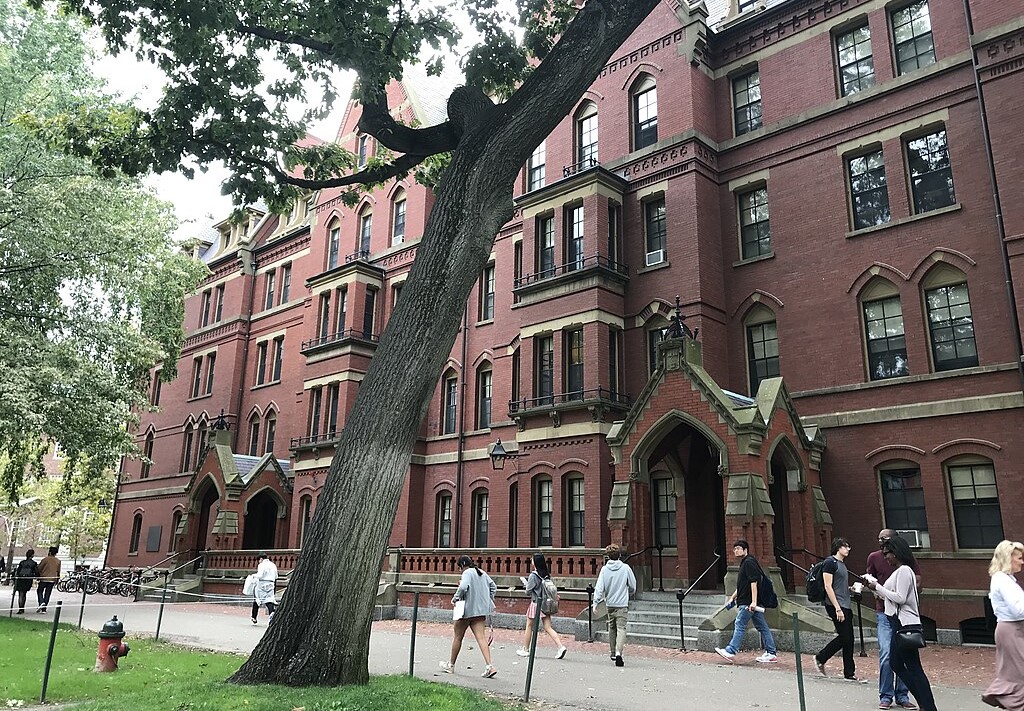
The U.S. House Judiciary Committee has issued a subpoena to Harvard University, demanding documents related to tuition pricing and financial aid policies as part of a broader investigation into potential antitrust violations among Ivy League institutions.
In a letter addressed to Harvard President Alan Garber, Committee Chairman Jim Jordan and Representative Scott Fitzgerald, both Republicans, criticized Harvard's prior responses as insufficient. They asserted the subpoena is necessary for the committee to fulfill its legislative oversight duties. The lawmakers expressed concerns that Ivy League schools may be coordinating to increase tuition while using selective financial aid packages to extract maximum revenue—an allegation that could suggest price-fixing and antitrust violations.
Harvard responded by calling the subpoena “unwarranted, unfair and unnecessary,” denying any collusion in its tuition-setting practices. A spokesperson emphasized that the university had already submitted thousands of pages of documents detailing its tuition and financial aid processes. However, the committee claimed much of the material provided contained only publicly available data and lacked the specific internal communications it requested.
The probe into Harvard is part of a wider Republican-led effort targeting elite universities. President Donald Trump has accused institutions like Harvard of promoting leftist ideology and antisemitism, framing the investigation within a political and cultural conflict. The dispute also intersects with debates over federal funding and restrictions on foreign student admissions.
Democratic Representative Jamie Raskin criticized the investigation as baseless and politically motivated, calling the allegations weak and the committee’s actions excessive.
The subpoena escalates tensions between Harvard and Congress, potentially reshaping how elite universities justify rising tuition costs and distribute financial aid. The outcome may set a precedent for broader scrutiny of higher education pricing nationwide.







