


 GLP-1 Weight-Loss Drug Use Surges Among U.S. Children
  Novo Nordisk Eyes Turnaround as Oral Wegovy Challenges Eli Lilly in Weight-Loss Drug Race
  Novo Nordisk Raises 2025 Outlook Despite Wegovy Pill Miss and CagriSema Setback
  Novartis M&A Strategy Faces Investor Scrutiny After Drug Setbacks
  3 clinical-grade skincare creams you really shouldn’t buy online
  Eli Lilly Eyes AtaiBeckley Acquisition to Expand Psychedelic Mental Health Pipeline
  AstraZeneca, Bristol Myers Squibb Explore Mega Merger Worth Nearly $400 Billion
  Trump Administration Bars U.S. Travelers From Congo Flights Amid Ebola Outbreak
  FDA Approves Mirum’s Atebrioz for Rare Bone Disorder FOP
  Moderna Short Sellers Hit With $4.8 Billion Loss as Stock Soars
  Venezuela Earthquake Health Risks Rise as Disease Monitoring Intensifies
  US-Backed Pediatric HIV Treatment Drops After Foreign Aid Changes, Study Finds
  Hims & Hers Shares Fall as GLP-1 Costs Widen Q2 Loss


 Add as a preferred source on Google
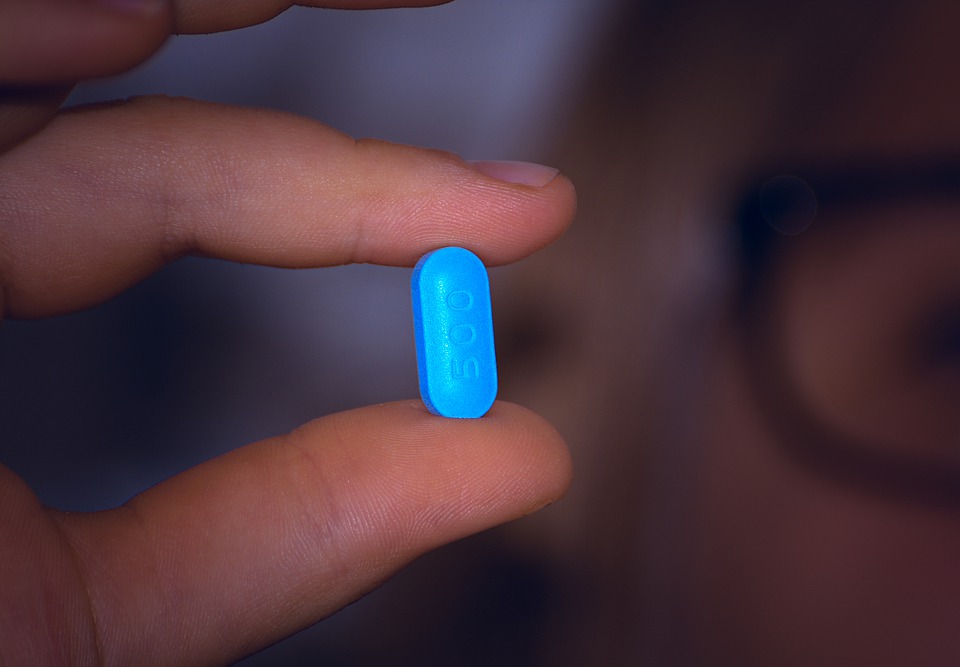
One of the biggest challenges that doctors and scientists are faced with today is developing a cure for the deadly virus known as HIV or AIDS. Having become prevalent for decades, responsible for taking millions of lives, everyone is on the search for a cure, and patients are willing to risk their lives to make it happen.
As the HIV/AIDS epidemic rages on, there has been some progress made towards developing a cure to the deadly disease over recent years. A new study on the disease, titled “HIV Cure Research,” revealed that a portion of people who are HIV-positive are willing to risk their lives in the clinical trials. To them, they are willing to risk near-certain death if it means helping in developing a cure. According to a patient that was interviewed, “I’m not going to live forever… It is about the next man, the next woman, and you have to have the mindset to care about people, which I do.”
Another patient that was also interviewed explained that they are willing to go this far for the community living with the disease. They expressed their hope at how much of a game-changer it would be to see a cure made.
On the other hand, the authors of the study explained that if HIV-positive patients are allowed to volunteer for the experiments, they said that there should be ethical safeguards placed. This is to ensure that patients have a say in their involvement in research that has the possibility to be fatal for them.
Everyone is putting a united front in battling the disease to put a stop to the epidemic once and for all. Scientists from the University of Nebraska Medical Center and Temple University were able to come up with a kind of therapy that cured the virus of living animals. This was the biggest breakthrough towards the journey for the cure to HIV/AIDS, and the future is bright for the cure for humans.
According to Dr. Howard Gendelman of the University of Nebraska, they are moving closer to making human trials for the type of therapy that could potentially cure HIV/AIDS. Referred to as LASER-ART - which is a slow-effect release antiretroviral therapy, with a few more tests and experiments, it could be ready for human trials within the upcoming year or two.







