


 NASA Partners with Katalyst to Save Swift Observatory with Innovative Docking Mission
  Astronomers have discovered another puzzling interstellar object − this third one is big, bright and fast
  Trump and Merck KGaA Partner to Slash IVF Drug Costs and Expand Fertility Coverage
  Cogent Biosciences Soars 120% on Breakthrough Phase 3 Results for Bezuclastinib in GIST Treatment
  Neuralink Expands Brain Implant Trials with 12 Global Patients
  Trump Signs Executive Order to Boost AI Research in Childhood Cancer
  Eli Lilly’s Inluriyo Gains FDA Approval for Advanced Breast Cancer Treatment
  FDA Adds Fatal Risk Warning to J&J and Legend Biotech’s Carvykti Cancer Therapy
  Lost in space: MethaneSat failed just as NZ was to take over mission control – here’s what we need to know now
  SpaceX Prioritizes Moon Mission Before Mars as Starship Development Accelerates
  Blue Origin’s New Glenn Achieves Breakthrough Success With First NASA Mission
  SpaceX Starship Explodes in Texas During Test, Citing Nitrogen Tank Failure


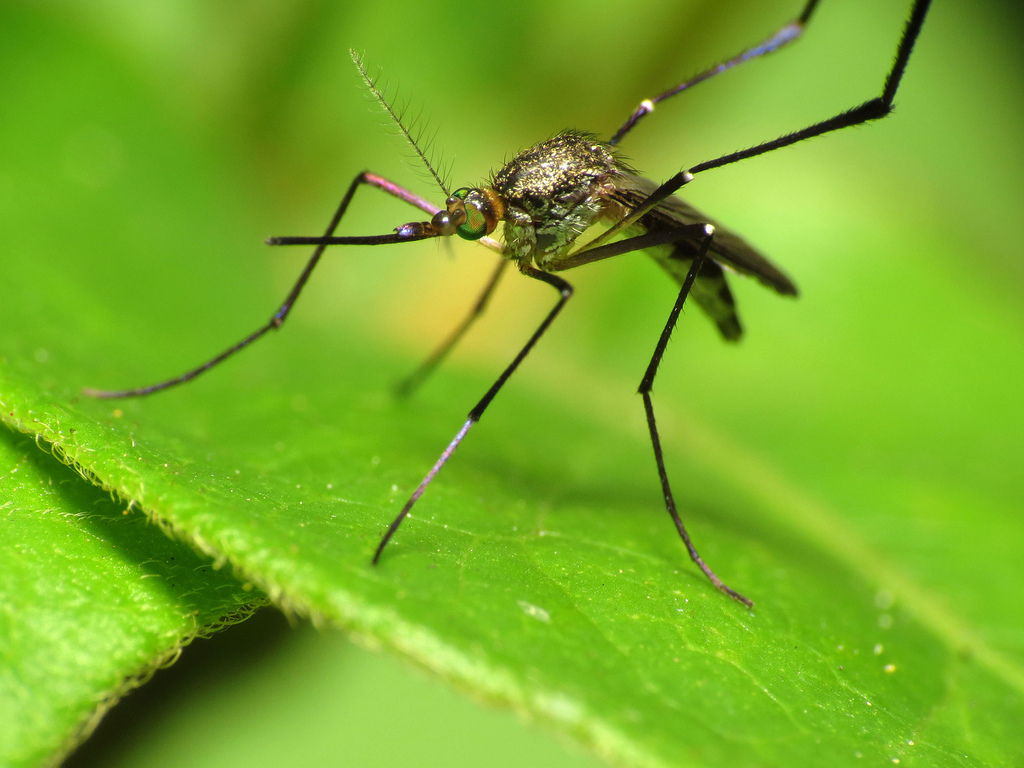
“Fighting fire with fire” is a phrase that many have used over the years to indicate the intent to answer aggression with the same. A Google subsidiary called Verily is taking the concept a step further with its goal of releasing over 20 million mosquitos into the wilds in order to combat the spread of the deadly Zika virus.
Before anyone panics, Verily is actually releasing sterile mosquitos into the populace, not fertile ones. This is intended to curb the population of the buggers carrying the deadly microorganism by pairing them off with mates that won’t allow for reproduction. The firm announced this initiative as far back as October of last year, Futurism reports when the Zika epidemic was threatening American lives.
What’s really interesting about this development, however, is the fact that only male mosquitos are being made by the subsidiary, which makes a lot of sense. After all, only the females of the species ever drink the blood of humans and thus pass on the virus to the victims.
Once the males mate with the females, eggs are actually produced. However, since the males are sterile, the eggs will not hatch, thus removing any chance of the females of breeding once again.
Recently speaking to MIT Technology Review, Linus Upson, the senior engineer at Verily explained why they needed to release such a huge number of sterile mosquitos in order to achieve their goals. In fact, to make a difference on a global scale, they would actually need to create a lot more.
“If we really want to be able to help people globally, we need to be able to produce a lot of mosquitoes, distribute them to where they need to be, and measure the populations at very, very low costs,” Upson said. “We want to show this can work in different kinds of environments.”













