


 US Comfortable With Canada Trade Standoff as Import Bans Loom
  UK PM Burnham to Unveil Economic Vision at Labour Conference
  Fed’s Hammack Says Bond Yield Surge Is Not Driven by Inflation Fears
  Japanese Yen Rebounds as Trump Flags Currency Weakness
  Germany’s 2026 Growth Outlook Strengthens on Fiscal Spending
  Australia Unemployment Hits Five-Year High Despite Strong Jobs Growth
  U.S. Dollar Hits Two-Month High as Oil, Treasury Yields Surge
  Asian Currencies Mixed as Dollar Holds Near Two-Month High
  Soybean Futures Slip as Traders Await Trump-Xi Trade Signals
  European Stocks Fall as Bond Yields and Geopolitical Risks Weigh
  Fed Unveils Stablecoin Rules Under GENIUS Act
  Gold Holds Near $4,275 as Rising Treasury Yields Fuel Fed Rate Hike Bets
  China Agrees to Buy 20 Million Tons of U.S. Coal
  U.S. Treasury Yields Surge as 30-Year Hits 22-Year High
  Asian Stocks Fall as Bond Yields Surge Ahead of Trump-Xi Summit
  US Stock Futures Fall as Treasury Yields Surge Ahead of Trump-Xi Summit
  Fed Unveils Stablecoin Rules Under GENIUS Act


 Add as a preferred source on Google
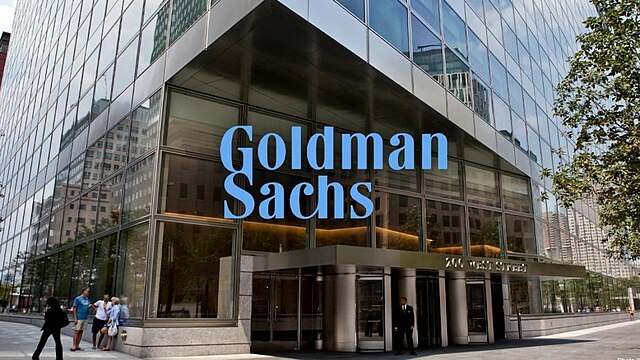
Goldman Sachs has increased the likelihood of a U.S. recession over the next 12 months to 35%, up from its previous estimate of 20%. The investment bank cited growing uncertainty around trade policy, weakening consumer and business confidence, and a lower economic growth baseline as key drivers behind the revision.
The updated forecast reflects the deteriorating sentiment among households and companies, alongside recent signals from White House officials suggesting a greater tolerance for short-term economic pain in pursuit of more aggressive trade policies. President Donald Trump is expected to announce sweeping new tariffs on April 2, a date he has called "liberation day." These tariffs could include across-the-board 20% rates on major trading partners.
Goldman Sachs has also raised its U.S. tariff projections for the second time in a month, now expecting an average tariff rate of 15% in 2025. The firm warned that such protectionist measures would likely fuel inflation. Core PCE inflation is now projected to hit 3.5% by the end of 2025, significantly above the Federal Reserve’s 2% target.
In addition to rising inflation expectations, Goldman lowered its 2025 GDP growth forecast to 1%, down from 1.5%, reflecting the economic drag of higher tariffs and persistent inflationary pressures. The bank’s economists expressed concern that Trump’s push for “reciprocal tariffs” could further strain the economy.
As inflation remains sticky and trade tensions escalate, fears of a slowdown are rising. Goldman Sachs' revised outlook underscores the potential impact of Trump's trade agenda on the broader U.S. economy, especially if tariffs drive up consumer prices and dampen growth.







