


 U.S. Treasury Yields Surge as 30-Year Hits 22-Year High
  Fed Unveils Stablecoin Rules Under GENIUS Act
  Mexico-US Trade Talks Delayed to October as Tariff Negotiations Continue
  U.S. 10-Year Treasury Yield Hits 2007 High as Fed Rate Hike Bets Rise
  RBI Uses $10 Billion Currency Swaps to Drain Excess Rupee Liquidity
  China’s ‘Lipstick King’ Says AI Won’t Replace Livestream Hosts
  Australia Unemployment Hits Five-Year High Despite Strong Jobs Growth
  Oil Prices Jump 3% as Houthi Attack Revives Supply Fears
  Wall Street Ends Flat as Oil, Treasury Yields and Fed Jitters Rattle Markets
  Asian Stocks Fall as Bond Yields Surge Ahead of Trump-Xi Summit
  US Stock Futures Fall as Treasury Yields Surge Ahead of Trump-Xi Summit
  South Korea, US Discuss Warship Building Cooperation
  European Stocks Fall as Bond Yields and Geopolitical Risks Weigh
  Dollar Hits Two-Month High as Fed Rate Hike Bets Rise
  Trump, Xi Focus on Trade and AI at White House Summit
  Gold Drops Over 1% as Dollar, Treasury Yields Surge on Fed Rate Hike Bets


 Add as a preferred source on Google
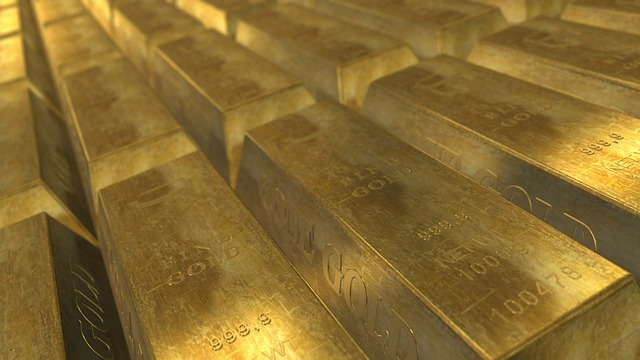
Gold prices extended their decline during Asian trading on Monday, falling to their lowest level in 11 weeks as stronger-than-expected U.S. employment data reinforced expectations that the Federal Reserve could keep interest rates elevated for longer. The combination of rising Treasury yields, a stronger U.S. dollar, and renewed inflation concerns weighed heavily on the precious metal.
Spot gold slipped 0.4% to $4,312.08 per ounce by 03:00 GMT, touching its weakest level since March 23. Meanwhile, U.S. gold futures for August delivery dropped 0.7% to $4,337.10 per ounce. The latest losses followed a sharp decline of more than 3% on Friday after investors reassessed the outlook for U.S. monetary policy.
According to recent labor market data, the U.S. economy added 172,000 jobs in May, significantly exceeding market expectations. The unemployment rate remained unchanged at 4.3%, highlighting continued resilience in the labor market. As a result, traders reduced expectations for near-term Federal Reserve rate cuts, boosting the U.S. dollar and government bond yields while reducing demand for non-yielding assets such as gold.
Market analysts noted that the stronger employment report has increased speculation that the Federal Reserve may maintain a restrictive monetary policy stance for longer than previously anticipated. Higher interest rates generally make gold less attractive compared to interest-bearing investments.
Additional pressure on gold prices came from a sharp rise in crude oil prices following escalating tensions in the Middle East. Iran reportedly launched multiple missile strikes toward Israel in response to an Israeli attack near Beirut, raising fears of broader regional instability. Brent crude approached $96 per barrel, while U.S. crude traded above $93, fueling concerns that higher energy prices could contribute to persistent inflation.
Although gold traditionally benefits from safe-haven demand during geopolitical uncertainty, the current market environment has seen investors prioritize the strengthening U.S. dollar and expectations of tighter monetary policy. The U.S. Dollar Index remained near a two-month high after surging in the previous session.
Other precious metals also moved lower. Silver prices fell 0.8% to $67.32 per ounce, while platinum declined 0.6% to $1,770.58 per ounce, reflecting broader weakness across the precious metals market as investors continued to monitor economic data, inflation trends, and geopolitical developments.







