


 Judge Blocks Trump Rule Limiting Foreign Student Visas
  Trump Scales Back Endangered Species Act Protections
  Trump Administration Removes Confederate Memorial Criticism From Arlington Website
  Judge Orders Trump to Restore White House Access for CNN, MS NOW and Politico
  US Senate Rejects Iran War Powers Resolution in 50-49 Vote
  Trump Bans CNN, MS NOW and Politico From White House
  Gaza Faces Evacuation Crisis as War-Damaged Buildings Risk Collapse
  US Invites Putin to Miami G20, Opening Door to Trump Summit
  US Northeast Airports Resume Operations After Telecom Outage Disrupts Thousands of Flights
  France Defends Netanyahu Airspace Clearance Despite ICC Warrant
  Netanyahu Takes Aim at Mamdani as Israel Election Nears
  North Korea Rejects Nuclear Test Warning, Calls Nuclear Status Irreversible
  Nvidia-Groq AI Chip Deal Faces U.S. Antitrust Probe
  FAA Allows Boeing to Sell 35 More 777F Freighters Beyond 2028
  Netanyahu Defends Israel at UN as Delegates Stage Walkout
  Kremlin Says No Decision Yet on Putin-Trump December Summit
  Russian Envoy Dmitriev Heads to US for Ukraine Talks


 Add as a preferred source on Google
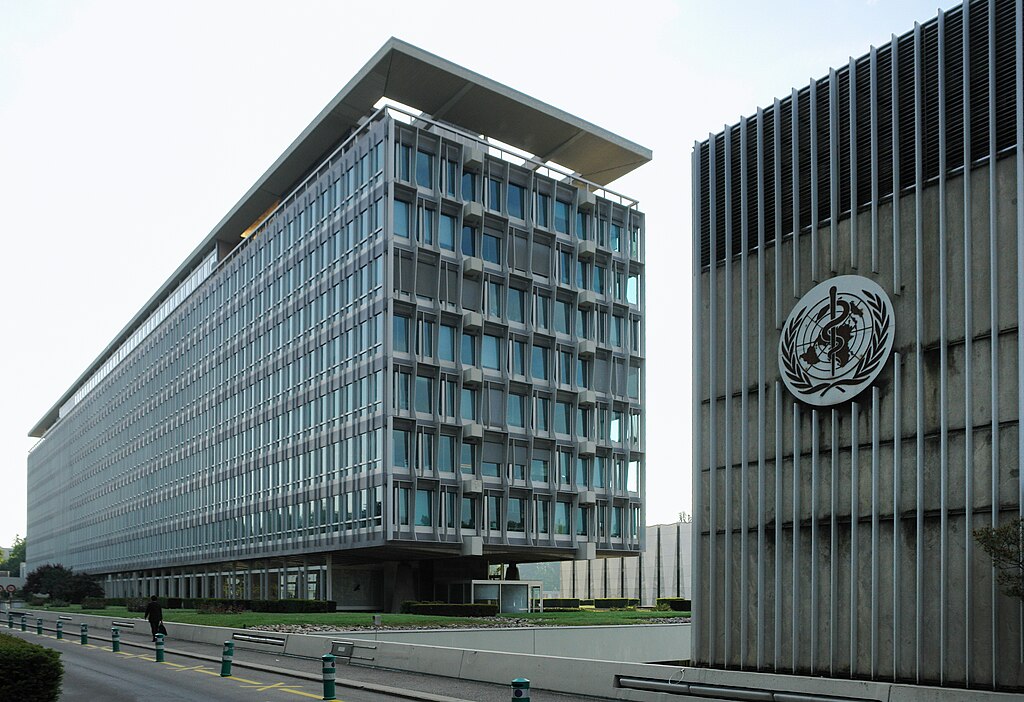
Funding cuts, particularly from the United States, are jeopardizing global childhood vaccination efforts at a scale comparable to the COVID-19 pandemic’s disruption, the United Nations warned. According to a joint statement from the World Health Organization (WHO), UNICEF, and Gavi, the Vaccine Alliance, nearly half of low and lower-middle income countries reported reduced vaccination services by April due to dwindling international aid.
The rollback in funding has triggered shortages in vaccines, hindered disease surveillance, and stalled immunization campaigns against deadly diseases like measles, yellow fever, and meningitis. These diseases are resurging globally, with measles cases rising each year since 2021, meningitis outbreaks intensifying across Africa, and yellow fever resurging after a decade of decline.
UNICEF Executive Director Catherine Russell cautioned that global health setbacks are mirroring those seen during the COVID-19 crisis, calling for urgent financial commitments. “We cannot afford to lose ground in the fight against preventable disease,” she said.
The crisis follows the U.S. government’s decision to slash its contributions to global health bodies, including approximately $300 million annually to Gavi. These cuts are part of a broader move to realign U.S. foreign aid under the "America First" agenda. An internal U.S. document confirmed the intent to scale back funding to UNICEF, WHO, and other global health programs.
Gavi is preparing to launch its next funding round in June, aiming to raise $9 billion for its 2026–2030 initiatives. CEO Sania Nishtar emphasized that reversing the trend of rising infections is possible, but only if the alliance is fully funded.
Despite appointing a new U.S. representative to Gavi’s board, future American contributions remain uncertain, raising concerns over the sustainability of global immunization programs.







