


 Australia Unemployment Hits Five-Year High Despite Strong Jobs Growth
  U.S. Dollar Hits Two-Month High as Oil, Treasury Yields Surge
  Gold Holds Near $4,275 as Rising Treasury Yields Fuel Fed Rate Hike Bets
  Germany’s 2026 Growth Outlook Strengthens on Fiscal Spending
  Wall Street Ends Flat as Oil, Treasury Yields and Fed Jitters Rattle Markets
  Soybean Futures Slip as Traders Await Trump-Xi Trade Signals
  Dollar Falls as Oil Eases, Yen Jumps on Intervention Signals
  Fed’s Hammack Says Bond Yield Surge Is Not Driven by Inflation Fears
  Japanese Yen Rebounds as Trump Flags Currency Weakness
  Mexico-US Trade Talks Delayed to October as Tariff Negotiations Continue
  Gold Prices Fall as Treasury Yields Rise on Fed Rate Hike Bets
  Asian Stocks Fall as Bond Yields Surge Ahead of Trump-Xi Summit
  Asian Stocks Fall as Surging Bond Yields Rattle Markets
  Fed Unveils Stablecoin Rules Under GENIUS Act
  Canadian Dollar Faces Pressure as Fed-BoC Policy Gap Widens
  Oil Prices Jump 3% as Houthi Attack Revives Supply Fears


 Add as a preferred source on Google
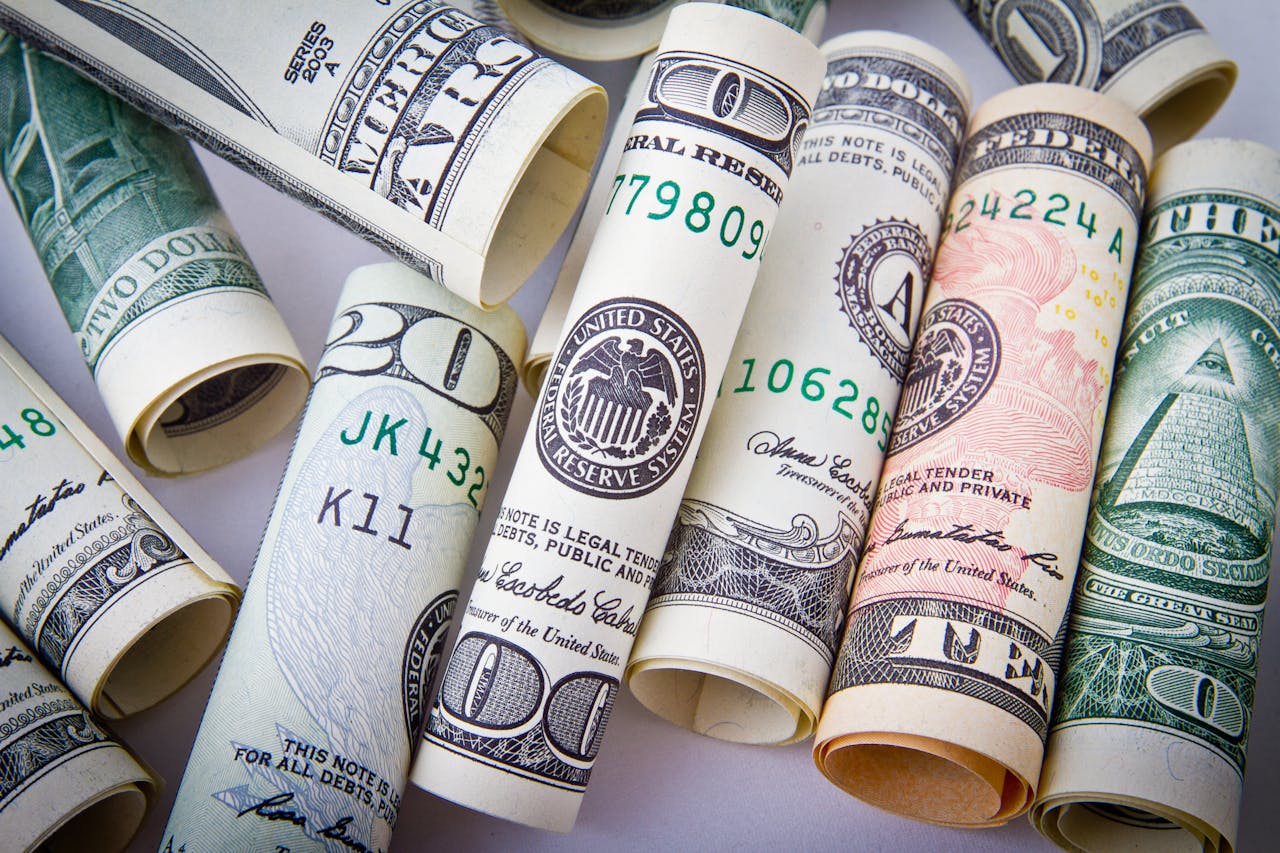
The U.S. dollar fell sharply on Thursday after President Donald Trump announced sweeping tariffs on imports, sparking a global market sell-off. The move, targeting around 60 countries, includes a 10% baseline tariff on all imports, with steeper duties for key trading partners. These new measures will take effect on April 9.
Markets reacted swiftly, shifting into risk-off mode. Investors flocked to safe-haven assets, pushing the Japanese yen up nearly 1% to 147.99 per dollar and strengthening the Swiss franc to 0.8787. The Australian dollar dropped 0.5% to $0.6268, and the New Zealand dollar fell 0.26% to $0.5730. China’s offshore yuan hit a one-month low, and the Mexican peso weakened to 20.2520 per dollar.
Trump’s latest move escalates the trade war he reignited upon returning to the White House, after previously targeting aluminum, steel, autos, and all Chinese goods. Analysts fear these aggressive measures could further slow global economic growth.
Kyle Rodda of Capital.com said markets are now pricing in weaker global growth, with uncertainty around whether trading partners can renegotiate tariffs or expect further restrictions. Rodrigo Catril of National Australia Bank noted the euro’s resilience—up 0.43% to $1.0875—comes from Europe’s calm, non-retaliatory stance. The British pound also gained 0.28%, reaching $1.3047.
Canada and Mexico, already subject to 25% tariffs, are exempt from the new measures. Meanwhile, investor sentiment shifted toward expectations of at least three U.S. Federal Reserve rate cuts this year, with a fourth becoming more likely.
As fears of a full-blown trade war grow, traders are bracing for heightened volatility and further safe-haven demand.







