


 Wall Street Ends Flat as Oil, Treasury Yields and Fed Jitters Rattle Markets
  US 10-Year Treasury Yield at 6% Emerges as New Market Risk Threshold
  Dollar Falls as Oil Eases, Yen Jumps on Intervention Signals
  Gold Holds Near $4,275 as Rising Treasury Yields Fuel Fed Rate Hike Bets
  Dollar Holds Near Two-Month High as Yen Approaches 160
  Asian Stocks Fall as Surging Bond Yields Rattle Markets
  Australia Unemployment Hits Five-Year High Despite Strong Jobs Growth
  Fed Unveils Stablecoin Rules Under GENIUS Act
  US Stock Futures Fall as Treasury Yields Surge Ahead of Trump-Xi Summit
  Japanese Bank Stocks Surge as Bond Yields Fuel Rate Hike Bets
  Soybean Futures Slip as Traders Await Trump-Xi Trade Signals
  Trump, Xi Focus on Trade and AI at White House Summit
  U.S. Dollar Hits Two-Month High as Oil, Treasury Yields Surge
  Gold Prices Fall as Treasury Yields Rise on Fed Rate Hike Bets
  Oil Prices Jump 3% as Houthi Attack Revives Supply Fears
  Japan Private-Sector Growth Slows as Domestic Demand Weakens


 Add as a preferred source on Google
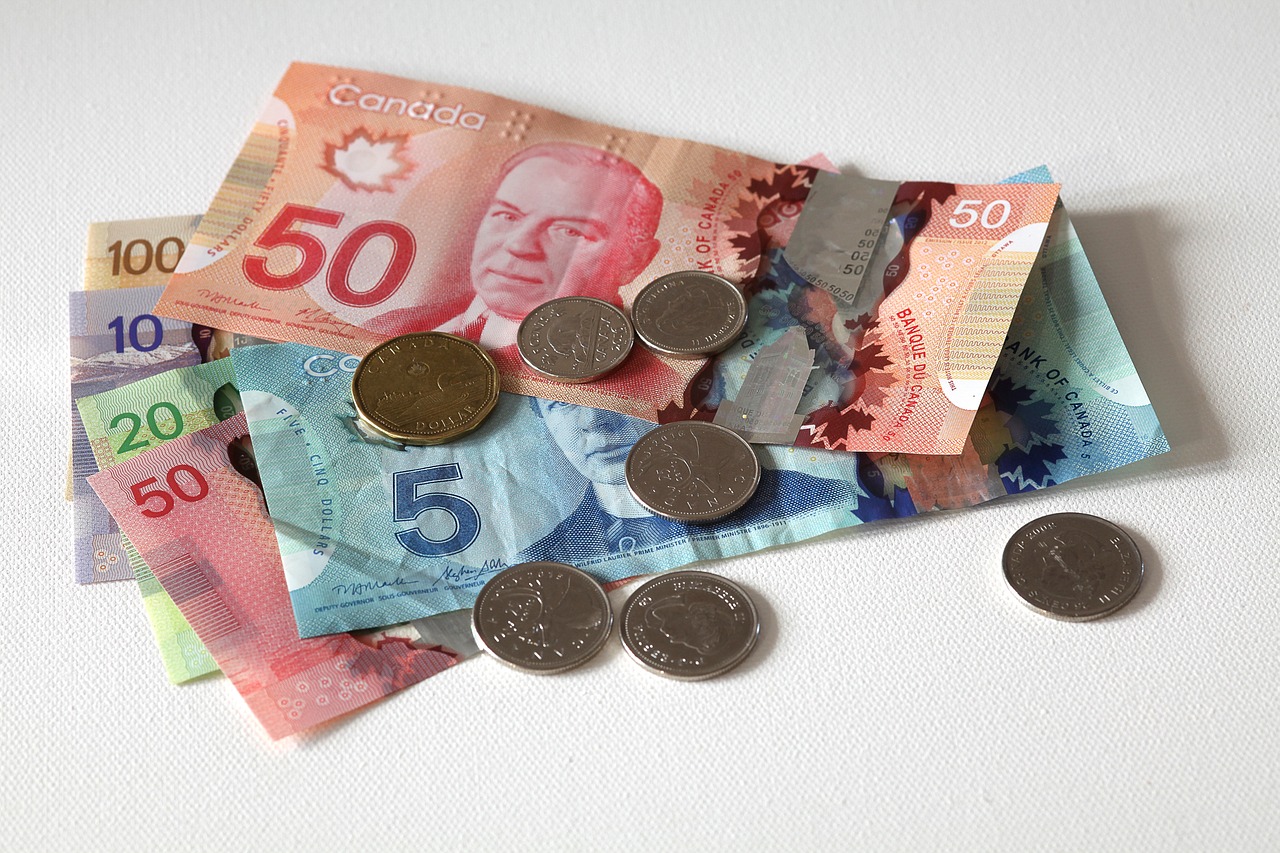
The Canadian dollar could remain under pressure through the end of 2026 as diverging monetary policy between the Federal Reserve and Bank of Canada weighs on the currency, according to CIBC Capital Markets.
CIBC expects USD/CAD to average 1.42 during the fourth quarter of 2026, reflecting expectations that the U.S. Federal Reserve will continue tightening monetary policy while the Bank of Canada keeps interest rates unchanged.
The outlook contrasts with market pricing that suggests the BoC could raise rates before the end of the year. CIBC does not expect Canadian policymakers to follow that path, citing economic weakness and excess capacity stemming partly from ongoing trade tensions with the United States.
Higher oil prices could add upward pressure to Canadian headline inflation, traditionally a potential source of support for the Canadian dollar. However, CIBC expects weaker economic conditions to offset much of that inflationary impact. The bank forecasts Canada’s unemployment rate will climb to 6.6% in the fourth quarter, reinforcing the case for the BoC to remain cautious on interest rates.
The outlook for the Canadian dollar becomes more favorable in 2027. CIBC expects negotiations between Canada and the United States to eventually result in the rollback of Section 338 tariffs and pave the way for a broader trade agreement.
An easing of trade restrictions could strengthen Canadian economic growth and create room for the Bank of Canada to begin raising interest rates early next year. That shift would potentially narrow the monetary policy gap with the Federal Reserve and provide support for the loonie.
CIBC forecasts USD/CAD will decline from 1.42 in the fourth quarter of 2026 to 1.39 in the first quarter of 2027. The bank sees the currency pair reaching around 1.37 by mid-2027 before falling further to 1.35 by the fourth quarter of 2027.
For currency markets, the near-term direction of the Canadian dollar is therefore likely to remain closely tied to Fed and BoC policy decisions, Canadian labor market conditions, oil prices and developments in U.S.-Canada trade negotiations.







