


 Westinghouse Targets $50 Billion Valuation in U.S. IPO
  Jeff Bezos Invests $32 Billion in Blue Origin as Space Firm Targets Major Growth
  SpaceX Nasdaq 100 Weight to More Than Double in Rebalance
  Tencent Launches TenPayGo Payment App for Foreign Tourists in China
  NASA, Boeing Discuss Expanding Starliner Missions
  Former OpenAI Data Center Chief Chris Malone Joins Nvidia
  US Backs Musk in Fight Against EU’s €120 Million X Fine
  OpenAI to Preview GPT-6 Cyber AI Model for Cybersecurity
  Anthropic’s Claude Discovers CRISPR-Like Enzyme System
  Scott Bessent Eyed as Trump’s New AI Czar
  SoftBank Raises $11.1 Billion in Bond Sale to Fund OpenAI Investment
  Oracle Shares Fall as New Mexico AI Data Center Faces Power Delays
  Meta Connect Spotlights Camera-Free Smart Glasses Amid Privacy Concerns
  BlackBerry Shares Rise as Q2 Earnings, Revenue Beat Estimates
  SoftBank Launches $11 Billion Bond Sale to Fund OpenAI Investment
  Apple Extends Qualcomm Patent Licensing Deal
  Microsoft Stock Upgraded as Stifel Sees Stronger Azure Growth


 Add as a preferred source on Google
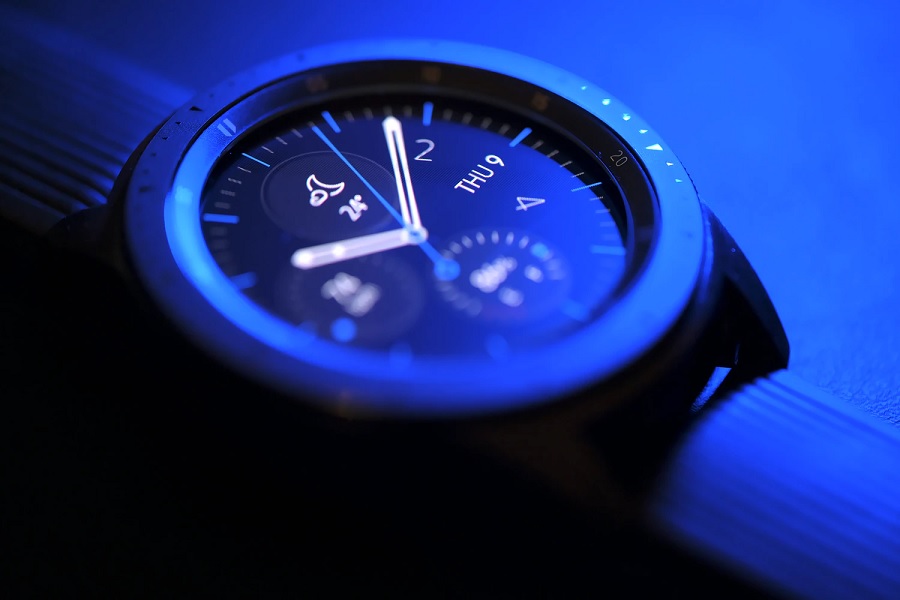
There is good news and bad news for tech fans looking forward to the announcement of Galaxy Watch 4. Samsung is reportedly planning to use Google Wear OS for the upcoming wearable device. However, its highly anticipated new health monitoring feature may not be available when it is released later this year.
Samsung ditches Tizen OS in Galaxy Watch 4?
The Galaxy Watch 4 has been widely rumored to adopt the Wear OS starting this year. But a report from the Korean publication MT suggests the change is also happening for the Galaxy Watch 4 Active. If Samsung ends up confirming this information, this would be the first time the tech giant is launching smartwatches without the Linux-based Tizen operating system.
Samsung is reportedly leaning into using Wear OS for the Galaxy Watch 4 as it would better allow developers to build apps for the wearable devices, the same report claims. The change is also expected to benefit Google well in terms of letting Wear OS reach even more smartwatch users worldwide.
Counterpoint Research reported Samsung has maintained a 10 percent share of the global smartwatch shipments in the third and fourth quarters of 2020. But it is only second to Apple that has maintained a commanding lead with 28 percent in Q3 and 40 percent in Q4. Apple’s last quarter shipments were likely driven up by the launch of Apple Watch Series 6 and Apple Watch SE last fall.
Galaxy Watch 4 might not have blood sugar tracking
Unfortunately, the Wear OS adoption might be the only major change to expect from the Galaxy Watch 4 this year. Despite earlier claims that Samsung is introducing a new blood sugar tracking feature, the report mentioned that the smartwatch would no longer launch with it.
As for other rumored specs, the Galaxy Watch 4 is expected to have a different form factor and would launch with 42mm and 46mm models. These are 1-2mm bigger than the sizes offered for Galaxy Watch 3 last year. The Active-named variant will reportedly ship with smaller watches at 40mm and 42mm. Samsung’s next smartwatches are both speculated to launch in August.
Photo by Samer Khodeir on Unsplash







