


 BOJ’s Himino Signals Timely Rate Hikes as Inflation Risks Rise
  Google promotes ‘teacher approved’ apps for kids. Here’s what parents should know
  The pandemic is still disrupting young people’s careers
  The American mass exodus to Canada amid Trump 2.0 has yet to materialize
  Asian Currencies Mixed as Dollar Holds Firm Ahead of Jackson Hole
  Asian Energy Stocks Slide as Iran-Oman Hormuz Talks Pressure Oil Prices
  Heritage, desire and diplomacy: why China still values scotch whisky
  Columbia Student Mahmoud Khalil Fights Arrest as Deportation Case Moves to New Jersey
  Glastonbury is as popular than ever, but complaints about the lineup reveal its generational challenge
  AI is driving down the price of knowledge – universities have to rethink what they offer
  Qatar LNG Exports Plunge 96% as U.S.-Iran War Disrupts Gulf Energy Trade
  Debate over H-1B visas shines spotlight on US tech worker shortages
  The ghost of Robodebt – Federal Court rules billions of dollars in welfare debts must be recalculated
  Trump Escalates Canada Trade War With 50% Tariffs
  Time to buy local: war fuel price shocks reveal the folly of a long food supply chain


 Add as a preferred source on Google
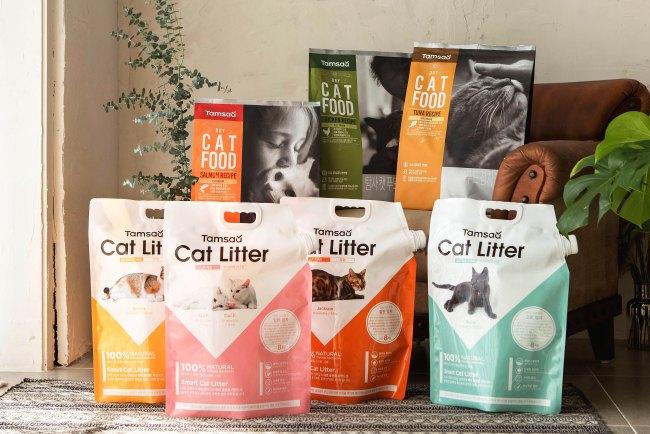
More South Korean consumers are buying pet goods at convenience stores due to their proximity and accessibility than exclusive pet shops.
Sales of pet goods in major convenience store chain GS25 rose by 44.3 percent between January 1 and September 26 compared to the same period last year.
The increased sales are reflected more in items for cats, such as snacks, which soared by 75 percent.
According to GS25, they have been recently increasing their stock for cat care products such as snacks, litter, and absorbent pads.
Overall, GS25's pet goods stock increased approximately 11 percent since last year.
Another convenience store, CU, enjoyed a 44.6 percent sales increase in pet food and snacks over the same period, with cat snack sales surging by 55.9 percent.
Meanwhile, Emart24 experienced a 52 percent boost in pet goods sales. It currently sells around 100 kinds of pet care items after increasing stocks by 40 percent since last year.







