


 Apple Cuts Over 200 Siri, Vision Pro Jobs in AI Shift
  SoftBank Eyes $20 Billion Bond Sale to Refinance OpenAI Loan
  BofA Names ASML Top Semiconductor Equipment Pick on Growth, Valuation
  OpenAI Data Center Chief Chris Malone Exits Ahead of Planned 2027 Listing
  Xiaomi Unveils Xring O3 Chip for Flagship Foldable Phone
  Trump Buys SpaceX Shares After Record IPO
  Adidas, Puma Shares Fall as Dick’s Sporting Goods Cuts Outlook
  Meta Agrees to $18 Billion Settlement, Tightens Teen Social Media Rules
  Google Expands Gemini Enterprise With AI Tools for Legal Sector
  Bathla Group Hires Administrators as Australia Housing Slump Deepens
  SoftBank Plans Record $6.3 Billion Bond Sale to Fund OpenAI Investments
  Alibaba Raises $10.2 Billion to Expand AI Infrastructure
  Luxshare Shares Rise as First-Half Profit Jumps 18%
  New Zealand Moves to Ban Social Media for Children Under 16
  SK Biopharmaceuticals Secures Global Rights to Biohaven Epilepsy Drug Opakalim
  29 US states are suing Meta. What might it mean for the rest of the world?


 Add as a preferred source on Google
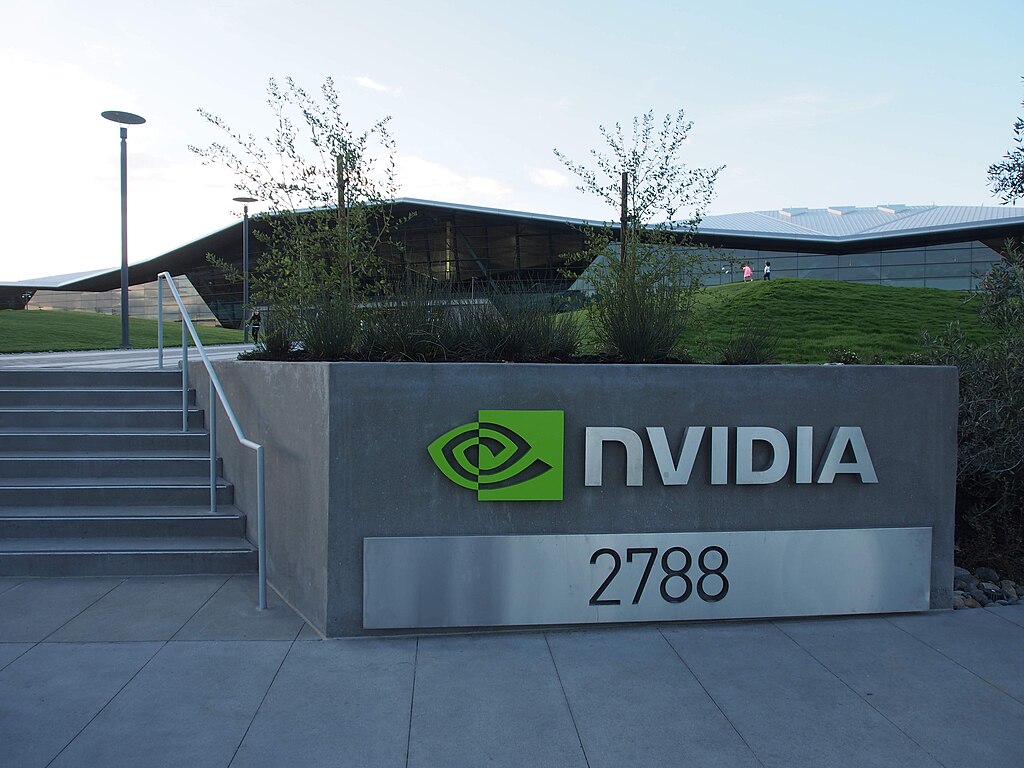
Nvidia reported stronger-than-expected quarterly earnings on Wednesday as booming demand for artificial intelligence hardware pushed revenue up 106% from a year earlier, prompting CEO Jensen Huang to declare that AI has reached an “inflection point.”
The AI chip giant posted adjusted earnings of $2.22 per share for fiscal second-quarter 2027, beating analysts’ forecast of $2.08. Revenue reached $96.22 billion, comfortably above the $91.90 billion expected by Wall Street.
Nvidia’s data center business remained the primary growth engine, generating $89.02 billion in revenue, a 117% year-over-year increase. Adjusted gross margin stood at 75%, rising 250 basis points compared with the same period last year.
Huang said AI is increasingly performing useful and profitable work, while demand for computing power continues to accelerate. He pointed to expanding investment from AI laboratories, startups, open-model developers and physical AI applications worldwide. Nvidia’s Vera Rubin platform is now in full production as the company seeks to capitalize on the accelerating AI infrastructure buildout.
Nvidia also delivered an upbeat outlook. The company expects fiscal third-quarter 2027 revenue of approximately $108 billion, plus or minus 2%, exceeding the consensus estimate of $105.16 billion. Adjusted gross margin is projected at 74%, plus or minus 50 basis points.
Despite the earnings beat and strong guidance, Nvidia shares initially struggled to rally decisively as investors weighed already elevated expectations. The stock later reversed earlier after-hours losses and was up about 0.1%.
Interactive Brokers strategist Steve Sosnick said investors may have become accustomed to Nvidia consistently beating forecasts and raising guidance. He also suggested institutional and retail investors could already be heavily exposed to NVDA, leaving fewer buyers available to drive a major post-earnings surge.
Expectations surrounding Nvidia remain exceptionally high after its market capitalization climbed above $5 trillion during the AI boom. Meanwhile, major customers including Microsoft, Meta, Alphabet and Amazon have outlined combined capital expenditure plans of roughly $750 billion, keeping Nvidia at the center of the global AI infrastructure spending cycle.







