


 Iran Strait of Hormuz Tensions Rise After Ship Attack Delays IMO Escort Mission
  US Strikes Iran After Strait of Hormuz Attack as Ceasefire Tensions Escalate
  US Seeks Gulf Support for Iran Peace Deal Amid Regional Tensions
  Trump Requests $11 Billion More in Farm Aid as Rising Costs Pressure U.S. Farmers
  Japan Signals Preference for Low Interest Rates as BOJ Policy Debate Intensifies
  Republican Lawmaker Introduces AI Incident Reporting Bill to Strengthen U.S. AI Safety
  US Mobilizes Aid After Powerful Earthquakes Devastate Venezuela
  Trump Threatens 100% Tariffs on Countries Imposing Digital Services Taxes on U.S. Tech Firms
  Iran Attack in Strait of Hormuz Pushes Oil Prices Higher
  US Reaffirms Taiwan Arms Sales Policy Despite Trump’s Comments on China
  Marco Rubio Reassures Gulf Allies Over U.S.-Iran Peace Deal
  US Urges States and Businesses to Strengthen Taiwan Ties Amid China Pressure
  Trump Orders DOJ Investigation Into Exxon, Chevron Over High Gas Prices
  Pelosi Discloses Major Intel and Uber Call Option Purchases Worth Up to $6 Million
  US Approves $250 Million Fighter Jet Training Sale to Australia
  Trump Administration Rejects Claims of Rift Between JD Vance and Marco Rubio on Iran Policy


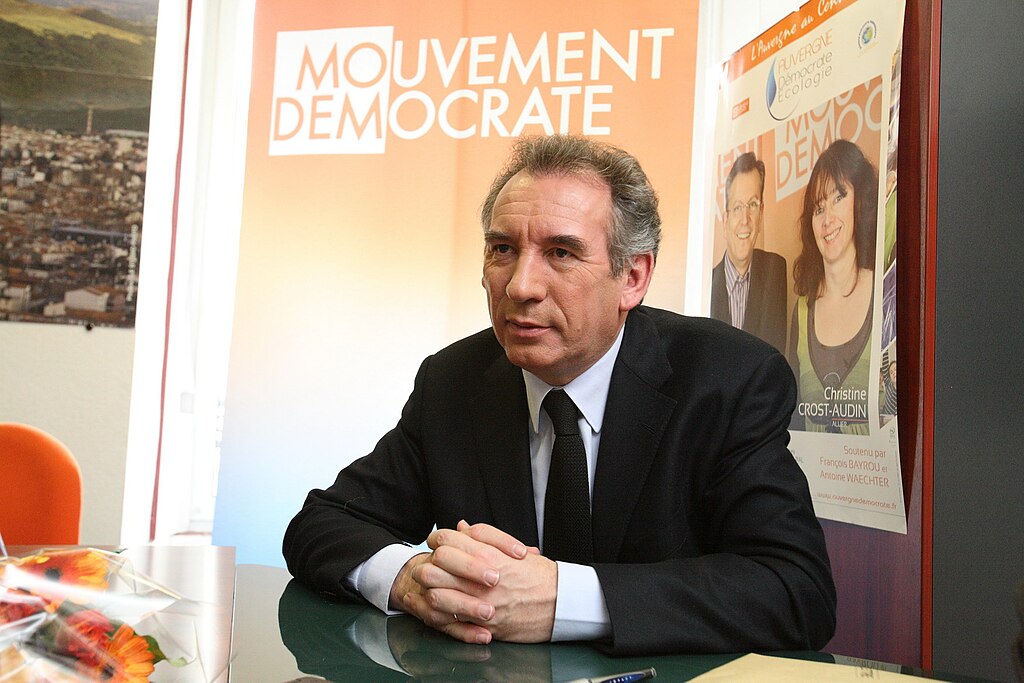
French Prime Minister Francois Bayrou signaled on Saturday that he may propose a national referendum on France’s upcoming budget, citing the potential for significant public backlash over planned austerity measures. In an interview with Journal du Dimanche, Bayrou emphasized the importance of involving citizens in decisions that could shape the country's future.
“The issue is too serious and its consequences too far-reaching to exclude the public from the discussion,” Bayrou said. “I am not ruling out any option.”
The French government faces the delicate task of reducing its debt while attempting to avoid social unrest, particularly among trade unions and public sector workers wary of job cuts. Bayrou’s statement comes amid growing political pressure and public scrutiny over looming spending cuts.
Under France’s constitution, the president has the power to call a referendum if proposed by the government. Bayrou noted that this matter goes beyond experts and technocrats, requiring nationwide engagement. His comments align with President Emmanuel Macron’s New Year’s Eve speech, where Macron mentioned plans to use referendums on “decisive” national issues, though without specifying which.
The Élysée Palace has not yet commented on Bayrou’s remarks.
Tensions have been rising as opposition parties threaten to introduce a no-confidence motion following Finance Minister warnings that the 2026 budget would demand billions in savings. Bayrou, appointed after the resignation of Michel Barnier—who was ousted amid protests over similar reforms—is eager to avoid a repeat of that political fallout.
As France navigates its fiscal challenges, the potential for a budget referendum could reshape the nation’s political discourse and test public tolerance for economic reforms.







