


 Physicists zoom into the birth of cosmic rainstorms with new CERN study
  Hawkish Fed Fuels Gold Sell-off: Gold Dives Below $4300 Amidst Rate Hike Fears
  Banking scandal rocks Brazil’s politics and the country’s presidential election in October
  BOJ Set to Raise Rates to 1.25% as Inflation Risks Build
  Oil Prices Rise as Houthi Strikes on Riyadh Fuel Middle East Tensions
  Yen in Focus as BOJ, Fed Rate Hikes Reshape Currency Markets
  Who should own the knowledge that underpins AI technology?
  Vietnam Stocks Join FTSE Emerging Market Indexes, Unlocking Billions in Foreign Investment
  South Korea to Brief Lawmakers on $350 Billion US Investment Package
  S&P 500 Historically Rallies After Midterm Elections, UBS Says


 Add as a preferred source on Google
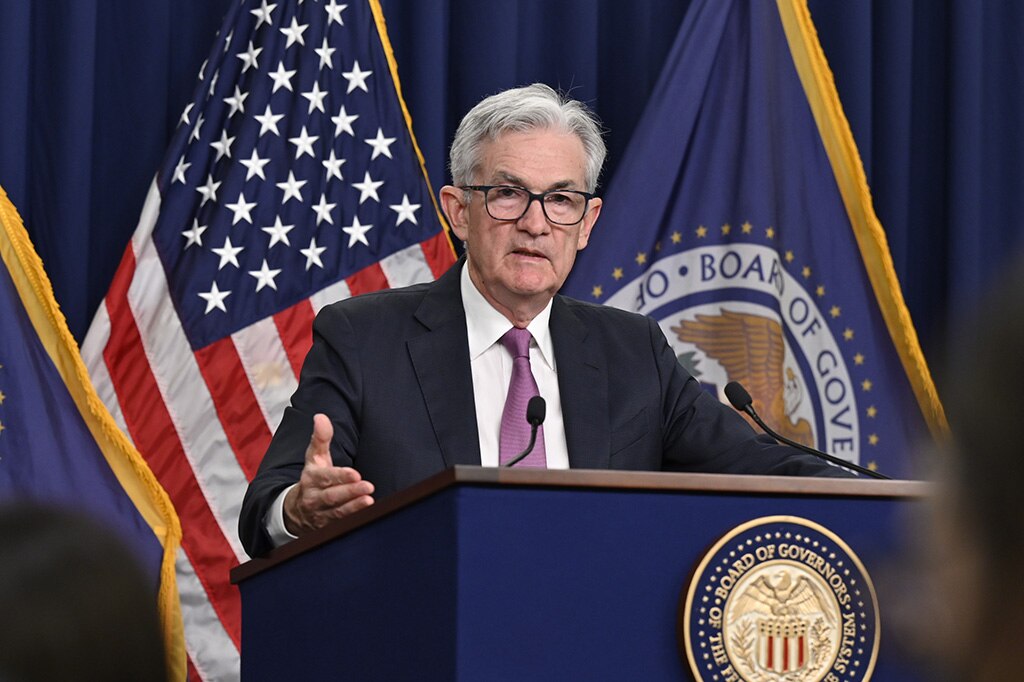
With the Israel-Iran conflict easing and oil prices dropping, investors are breathing a sigh of relief. However, a new storm is gathering at the U.S. Federal Reserve, where internal divisions are emerging over the next move on interest rates.
Macquarie analysts caution that the ceasefire is not a lasting peace. While fears of oil supply shocks have temporarily subsided, market attention has pivoted to growing discord within the Fed. A “proportional response” from Iran and a U.S.-brokered truce have helped risk sentiment, sending oil prices down and boosting the euro and yen. But as the dollar’s safe-haven appeal weakens, focus shifts to U.S. monetary policy.
Fed Governors Chris Waller and Michelle Bowman—typically known as inflation hawks—have surprised markets by signaling support for a rate cut as early as July, provided inflation remains subdued. Even Chicago Fed President Austan Goolsbee hinted at favoring cuts if tariff pressures diminish. Analysts suggest that Waller and Bowman’s dovish pivot may reflect political ambitions ahead of future leadership changes at the Fed.
Their remarks have increased speculation that the July FOMC meeting is now "in play" for a rate cut. Still, Fed Chair Jerome Powell is expected to highlight a “diversity of opinions” during his upcoming Congressional testimony, underlining the central bank’s internal divide.
Macquarie notes that without ongoing tariff uncertainty, a rate cut might have already occurred in June. For now, the likely outcome is a “dovish hold” in July, with possible dissenters and heated discussions on how tariffs are influencing inflation trends.
As geopolitical tensions cool abroad, political dynamics and policy debate within the Fed may become the new source of volatility for markets this summer.







