


 Trump Administration to Launch Autism Initiatives Targeting Acetaminophen Use and New Treatment Options
  NASA's Artemis II Crew Arrives in Florida for Historic Moon Mission
  SpaceX Pivots Toward Moon City as Musk Reframes Long-Term Space Vision
  FDA Pilot Program Eases Rules for Nicotine Pouch Makers
  Cogent Biosciences Soars 120% on Breakthrough Phase 3 Results for Bezuclastinib in GIST Treatment
  SpaceX Prioritizes Moon Mission Before Mars as Starship Development Accelerates
  Trump Administration Releases New UFO Files and Apollo Mission Records
  Tabletop particle accelerator could transform medicine and materials science
  Blue Origin New Glenn Explosion Could Delay Launch Operations Until 2028
  NASA Artemis II: First Crewed Moon Mission Since Apollo Takes Four Astronauts on 10-Day Lunar Journey
  Eli Lilly’s Inluriyo Gains FDA Approval for Advanced Breast Cancer Treatment
  Trump and Merck KGaA Partner to Slash IVF Drug Costs and Expand Fertility Coverage


 Add as a preferred source on Google
Last month the United Nations’ Intergovernmental Panel on Climate Change (IPCC) released its Synthesis Report of the Sixth Assessment Report.
It showed global temperatures are now 1.1℃ above pre-industrial levels. This warming has driven widespread and rapid global changes, including more frequent and intense weather extremes that are now impacting people and ecosystems all over the world.
But when an extreme weather event hits, how certain can we be that it was made more likely by climate change? How do we know it wasn’t just a rare, naturally-occuring event that might have happened anyway?
Fear & Wonder is a new podcast from The Conversation that takes you inside the UN’s era-defining climate report via the hearts and minds of the scientists who wrote it.
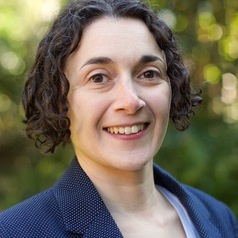
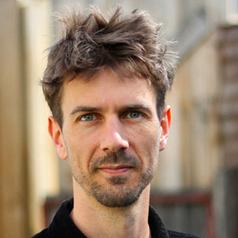
The show is hosted by Dr Joëlle Gergis – a climate scientist and IPCC lead author – and award-winning journalist Michael Green.
In this episode, we’re delving into one of the major shifts in the public communication of climate change – the attribution of extreme weather events to climate change.
Although in the past we knew climate change was making extreme weather more likely, advances in climate modelling now allow scientists to pinpoint the influence of natural and human-caused factors on individual weather extremes.
We speak to climatologist Dr Friederike Otto about a rapid attribution study of a heatwave in Toulouse, France, as it unfolded in 2019. We also hear from climatologist Professor David Karoly to help us understand how climate models actually work, while Professor Tannecia Stephenson explains how global models are then used to develop regional climate change projections over the Caribbean island of Jamaica.
To listen and subscribe, click here, or click the icon for your favourite podcast app in the graphic above.







