


 US Officials Split Over Response to Israeli West Bank Settlements
  Marco Rubio to Meet Russia’s Lavrov in New York
  Venezuela Promises Elections as Delcy Rodriguez Pledges Democratic Transition
  Taiwan Vows to Advance US Arms Sales Ahead of Trump-Xi Meeting
  Russian Strikes Kill Eight Across Ukraine as Energy Sites Hit
  Europe Warns Russia Is Escalating Hybrid Attacks Across NATO
  Netanyahu Takes Aim at Mamdani as Israel Election Nears
  Trump Board of Peace Unveils $2.45 Billion Gaza Recovery Plan
  Trump Says ‘Freedom’ Is Coming to Cuba
  Gaza Faces Evacuation Crisis as War-Damaged Buildings Risk Collapse
  China Tightens Fentanyl Rules Ahead of Trump-Xi Summit
  Russian Envoy Dmitriev Heads to US for Ukraine Talks
  Macron Challenges Trump’s Gaza Peace Claims at UN
  Zelenskiy Warns Russia Preparing Major Attack on Ukraine
  Taiwan Thanks US for Support Ahead of Trump-Xi Summit
  Mexico-US Trade Talks Delayed to October as Tariff Negotiations Continue
  Kremlin Says No Grounds Yet for Ukraine Peace Talks


 Add as a preferred source on Google
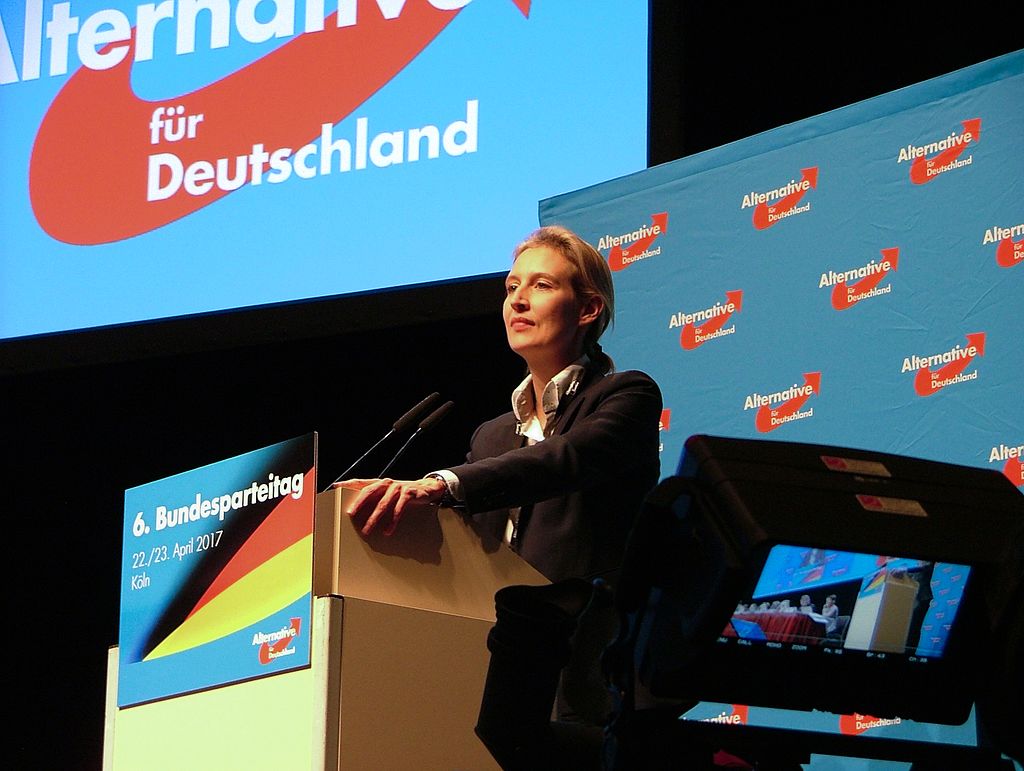
For the first time since WWII, Germany’s far-right Alternative for Germany (AfD) has secured second place in a national election, winning support from one in five voters. While other parties continue to block its path to power, AfD leader Alice Weidel insists their government participation is inevitable.
Founded in 2013 as a libertarian movement, AfD has evolved into an anti-immigration, pro-Russia party. Despite being under government surveillance for its extremist ties, the party’s influence is growing. It has made significant gains among younger voters, with 22% of those aged 25 to 34 supporting AfD, compared to just 10% of seniors over 70.
AfD’s controversial figures include Bjoern Hoecke, convicted twice for using Nazi-era slogans, and Alexander Gauland, who downplayed the Holocaust’s impact on German history. Their agenda includes dismantling the EU, restricting immigration, and halting support for Ukraine.
Despite its rising popularity, AfD remains politically isolated. Even other European far-right parties, like France’s National Rally, refuse to align with them. Additionally, some AfD lawmakers face allegations of ties to Russian and Chinese interests. However, leaders like Hungary’s Viktor Orban and Italy’s Matteo Salvini have voiced support for Weidel.
AfD’s rise reflects widespread economic discontent and shifting political sentiments. While mainstream parties scramble to contain its influence, Weidel remains defiant, warning that if they are kept from power, “next time, we’ll come first.”







