


 SpaceX Stock Rebounds After Sharp Selloff, But Valuation Concerns Persist
  Samsung Electronics Stock Surges on Report of Massive $59 Billion Share Buyback Plan
  US Appeals Court Allows Trump Military Enlistment Ban on Transgender Recruits, Protects Current Service Members
  DOJ Sues Virginia Over Law Enforcement Mask Ban
  Anthropic AI Model Uncovers Vulnerabilities in Classified U.S. Government Systems During Security Test
  Trump’s Quantum Push Lifts IBM Stock as CEO Arvind Krishna Receives White House Praise
  Australia Eases Capital Gains Tax Reforms to Support Small Businesses and Startups
  Nissan Halts Electric Qashqai Development Amid EV Market Challenges
  Trump Administration Closes Delta Air Lines Investigation Over 2024 CrowdStrike Outage
  Tencent Reviews Marvelous Stake as Gaming Giant Reassesses Global Investment Strategy
  WiseTech Global Denies Knowledge of Investigation Into Founder Richard White
  Cerebras Revenue Forecast Tops Expectations, but Margin Concerns Weigh on Stock
  Los Angeles World Cup Security Plans: No ICE Immigration Enforcement at FIFA 2026 Matches, Officials Say
  China Adds MP Materials, USA Rare Earth to Export Control List Amid Escalating U.S.-China Trade Tensions
  100+ Global Companies Push Governments to Prioritize Electrification for Economic Growth
  Alphabet Stock Slides as AI Talent Exodus and SpaceX Losses Shake Investor Confidence
  US Waives Iran Sanctions for 60 Days as Peace Talks Advance and Lebanon Sees Calm


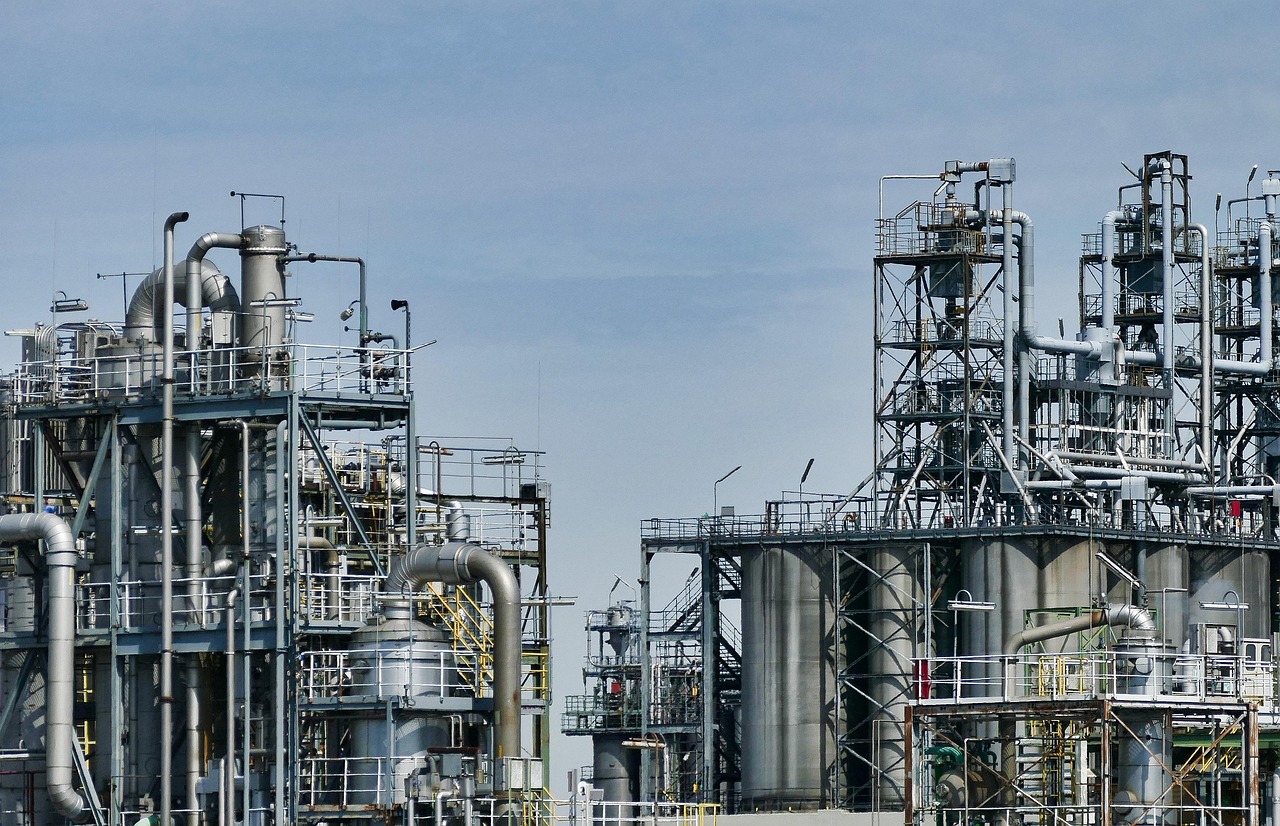
The U.S. Federal Energy Regulatory Commission (FERC) has rejected Colonial Pipeline’s proposal to modify its gasoline delivery system from the Gulf Coast to the U.S. Northeast, citing concerns over fairness, cost, and fuel quality. The decision marks a major setback for Colonial, which operates one of the largest refined fuel pipelines in the country.
In March, Colonial sought FERC approval for a tariff update that would eliminate overlapping shipments of different gasoline grades and discontinue “Grade 5” gasoline—commonly used in certain Northeastern states during winter months. The proposal also included changes to delivery specifications, which the company argued would streamline operations.
However, major oil companies such as Exxon Mobil and BP, along with other shippers, filed protests against the proposal. They contended that the changes would unfairly shift blending margins from shippers to Colonial, potentially leading to higher fuel prices for consumers. Opponents also warned that the proposal could degrade gasoline quality and reduce flexibility in supply chains, negatively impacting both refiners and end users.
FERC agreed with the shippers’ objections, ruling that Colonial failed to prove its proposed changes were “just and reasonable.” The commission’s filing stated that the plan would impose unnecessary costs, degrade product quality, and give Colonial’s affiliate an unfair competitive advantage—all without clear evidence of operational benefits.
The ruling underscores regulators’ commitment to ensuring fair practices and maintaining fuel quality standards across U.S. energy markets. With this rejection, Colonial Pipeline may need to revise its proposal to address the commission’s concerns before resubmitting.







