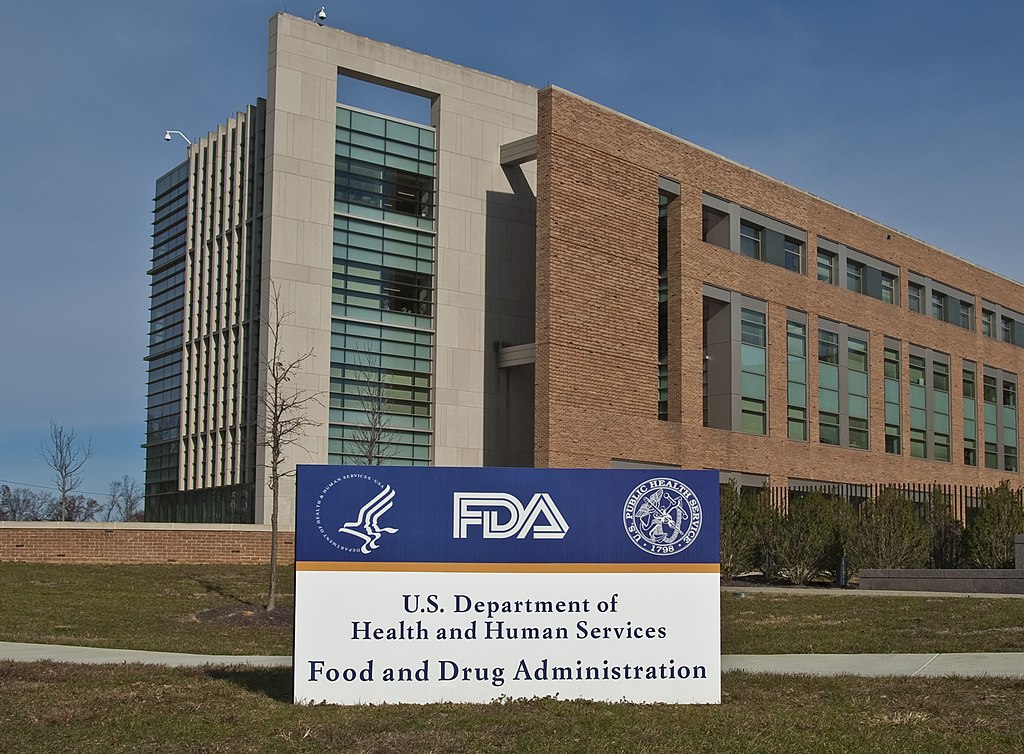
The U.S. Food and Drug Administration (FDA) has dismissed around 20 employees, including those overseeing Elon Musk’s Neuralink, as part of a broader federal workforce reduction, Reuters reported. The layoffs affected the FDA's office regulating brain-computer interface (BCI) technologies, including Neuralink's brain implant aimed at helping paralyzed patients control devices through thought.
While the dismissals were officially labeled as performance-related despite previous strong evaluations, sources suggest the reduction could delay medical device assessments. Former senior FDA official Victor Krauthamer noted that the firings create an “intimidating” environment for remaining staff handling Neuralink trials. The loss of key personnel raises concerns over potential regulatory bottlenecks, impacting not only Neuralink but also other BCI developers.
Neuralink, which received FDA fast-track designation last year for a separate implant designed to restore vision, may face hurdles as the agency copes with fewer reviewers. Elon Musk, known for advocating cost-cutting measures in government agencies involved with his ventures, reportedly influenced the broader downsizing efforts.
The FDA's staffing cuts come at a critical time for Neuralink as it advances its human trials, aiming to revolutionize neurotechnology. Experts warn that reduced regulatory capacity could slow innovation and approvals in the growing BCI sector. This development highlights the intersection of technology, regulation, and cost management, with potential implications for future advancements in brain implants and medical devices.
The dismissals underscore ongoing tensions between regulatory oversight and operational efficiencies, particularly in high-stakes fields like neurotechnology, where precision and safety are paramount.