


 FCC Approves Foreign Investment in $110B Paramount-Warner Bros. Deal
  FAA Allows Boeing to Sell 35 More 777F Freighters Beyond 2028
  US Judge Dismisses Imran Ahmed Deportation Lawsuit
  Who should own the knowledge that underpins AI technology?
  Trump Scales Back Endangered Species Act Protections
  Australia Defends Social Media Algorithm Law Amid US Concerns
  FDA Names Permanent Drug and Biologics Center Chiefs
  US Resumes Immigrant Visa Processing for Hungary, Poland
  ICE Agent Arrested in Minneapolis Over Venezuelan Man Shooting
  US Northeast Airports Resume Operations After Telecom Outage Disrupts Thousands of Flights
  Nvidia-Groq AI Chip Deal Faces U.S. Antitrust Probe
  Trump Grants Clemency to Jay-Z Associate Emory Jones
  Australia Tightens Student Visa Rules, Targets Migration Cut by 2028
  Saudi Arabia Shuts East-West Oil Pipeline After Drone Attack
  Trump Bans CNN, MS NOW and Politico From White House
  Trump Administration Removes Confederate Memorial Criticism From Arlington Website


 Add as a preferred source on Google
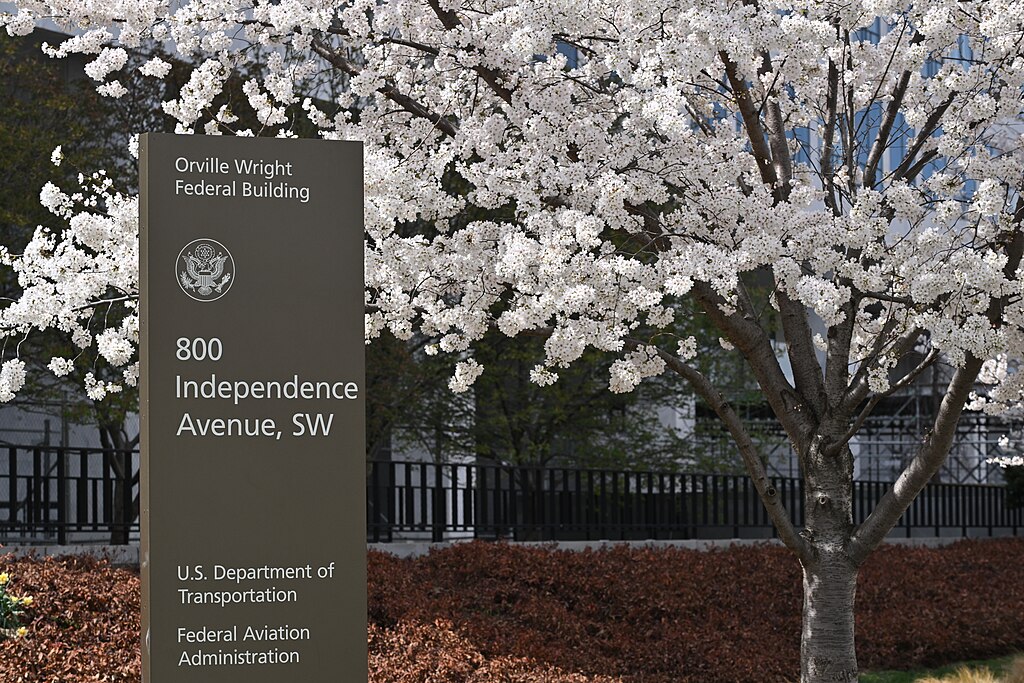
The Federal Aviation Administration (FAA) is urging airlines to cut hundreds more daily flights at Chicago O’Hare International Airport this summer as officials attempt to prevent major travel disruptions during what could become the airport’s busiest season on record. According to sources familiar with the discussions, the agency recently informed major carriers that it wants to reduce flight operations to roughly 2,500 per day, a figure lower than the 2,800 daily-flight cap proposed last week.
Originally, airlines had scheduled approximately 3,080 daily operations at O’Hare for the upcoming summer travel period. The FAA believes that level of activity would place excessive strain on the airport’s infrastructure, including its runways, terminals, and air traffic control systems. By comparison, last summer saw about 2,680 daily flights. Even the earlier proposal to limit flights to 2,800 per day was intended to address concerns about airline overscheduling and increasing delays at one of the busiest airports in the United States.
The FAA held an initial meeting on Wednesday with senior executives from major airlines such as United Airlines and American Airlines to discuss potential schedule reductions. Another meeting is expected to take place next week as discussions continue. Regulators reportedly believe deeper cuts are necessary to ensure smoother operations and reduce the risk of widespread delays throughout the national aviation network.
If airlines proceed with their current schedules, the summer of 2026 could become the busiest ever at Chicago O’Hare. United Airlines alone plans to operate around 780 daily flights from the airport this month, significantly higher than its average of 541 flights per day last year. The carrier has already announced plans to increase its mainline departures from O’Hare by approximately 20% compared with last summer.
American Airlines is also expanding its operations. In December, the airline revealed plans to add 100 daily departures to more than 75 destinations from Chicago O’Hare in time for spring break travel. That expansion would raise its daily departures from 484 flights last summer to about 526 flights this year.
The aggressive scheduling has already sparked tension between the airlines. American recently told employees that United’s scheduling approach could lead to serious operational problems, including longer taxi times, extended tarmac delays, missed connections, crew scheduling disruptions, and ripple effects across airline networks.
United, however, has taken a more cooperative stance publicly, stating it appreciates the FAA and the U.S. Department of Transportation for organizing discussions about maintaining safe and reliable operations at O’Hare.
The FAA’s proposed flight reductions would apply during the summer aviation season, which runs from March 29 through October 25. Officials believe proactive scheduling adjustments now could help prevent widespread delays, improve passenger experience, and ensure that Chicago O’Hare can handle the surge in summer travel demand efficiently.







