


 Europe Warns Russia Is Escalating Hybrid Attacks Across NATO
  Fed Unveils Stablecoin Rules Under GENIUS Act
  U.S. Imposes New Visa Restrictions Over South Africa Policies
  Judge Orders Trump to Restore White House Access for CNN, MS NOW and Politico
  Wall Street Falls as Treasury Yields Surge, Oil Rebounds on Iran Tensions
  Gold Holds Near $4,275 as Rising Treasury Yields Fuel Fed Rate Hike Bets
  US Backs Musk in Fight Against EU’s €120 Million X Fine
  China’s ‘Lipstick King’ Says AI Won’t Replace Livestream Hosts
  Fed Unveils Stablecoin Rules Under GENIUS Act
  Mexico-US Trade Talks Delayed to October as Tariff Negotiations Continue
  Canada Unveils Bill to Fast-Track Major Resource Projects
  Gaza Faces Evacuation Crisis as War-Damaged Buildings Risk Collapse
  Who should own the knowledge that underpins AI technology?
  US, China Extend Trade Truce to Jan. 10 Ahead of Trump-Xi Summit
  Abbas Reaffirms November 28 Palestinian Elections
  North Korea Rejects Nuclear Test Warning, Calls Nuclear Status Irreversible
  U.S. 10-Year Treasury Yield Hits 2007 High as Fed Rate Hike Bets Rise


 Add as a preferred source on Google
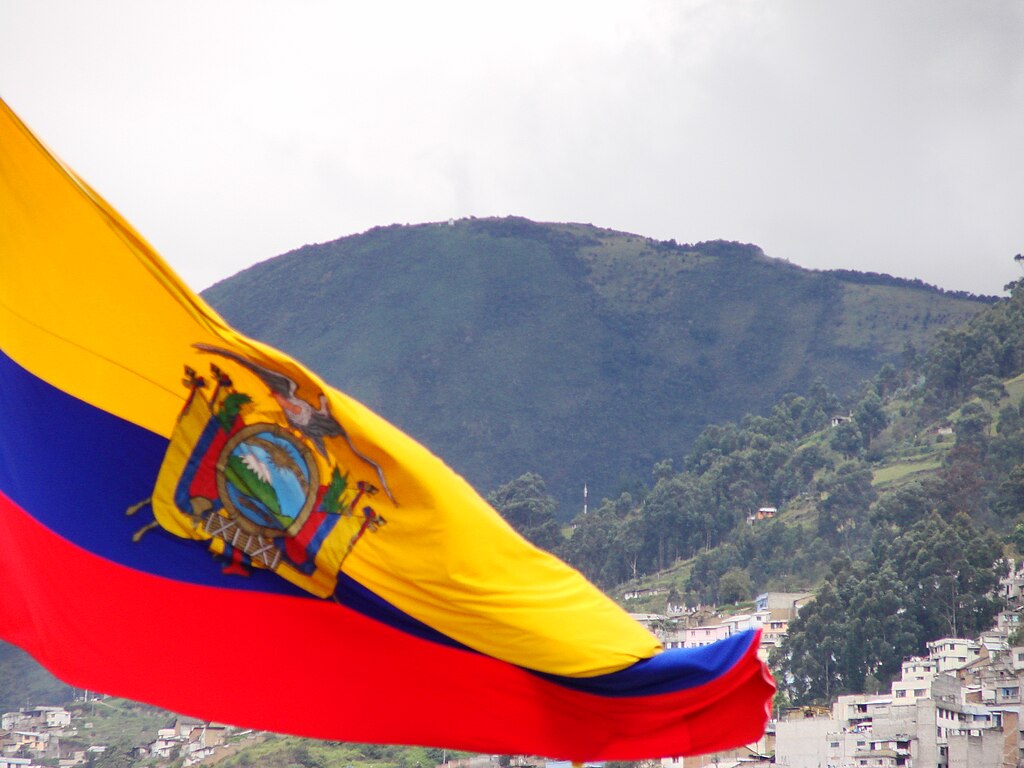
Ecuador will raise tariffs on Colombian imports to 50% starting March 1, escalating a growing trade dispute between the two neighboring countries. The decision, announced by Ecuador’s government on Thursday, deepens tensions fueled by concerns over border security, drug trafficking, and an ongoing trade imbalance.
The tariff increase follows an earlier move in February, when Ecuador imposed a 30% tariff on goods from Colombia. Officials cited a widening trade deficit and what they described as insufficient cooperation from Colombia in combating drug trafficking along their shared border. President Daniel Noboa has prioritized a hardline security strategy, expanding military involvement and invoking extraordinary powers to address rising crime linked to organized drug cartels.
Colombia has rejected claims that it is not cooperating. Authorities point to joint anti-narcotics operations that have resulted in significant cocaine seizures. Colombia remains one of the world’s largest cocaine producers, and traffickers frequently move shipments through Ecuador to reach markets in the United States and Europe.
In response to Ecuador’s earlier tariffs, Colombia suspended electricity exports to Ecuador, restricted certain overland food imports, and imposed its own 30% tariff on Ecuadorian goods. Ecuador relies heavily on Colombian electricity during drought periods when hydroelectric production declines. Ecuador also raised transit fees on Colombian crude oil transported through its SOTE pipeline by 900%, prompting Colombia to halt shipments.
Colombia’s Trade Minister Diana Marcela Morales said the government is reviewing potential countermeasures but remains open to dialogue and diplomatic solutions. Both countries have brought their complaints before the Andean Community of Nations (CAN), the regional trade bloc overseeing trade relations.
Ecuador reported a $1.03 billion trade deficit with Colombia through 2025, excluding oil. As trade tensions intensify, businesses on both sides of the border face growing uncertainty while leaders weigh further economic and diplomatic steps.







