


 NASA, Boeing Discuss Expanding Starliner Missions
  SpaceX Nasdaq 100 Weight to More Than Double in Rebalance
  Jeff Bezos Invests $32 Billion in Blue Origin as Space Firm Targets Major Growth
  OpenAI Urges US-Led Global Standards for Frontier AI
  SoftBank Shares Fall as Oracle Flags Stargate Data Center Delay Risk
  Oracle Shares Fall as New Mexico AI Data Center Faces Power Delays
  Burnham Eyes UK Leadership Role in AI Ahead of Trump Meeting
  Meta Unveils Muse Charm AI Device, Expands Smart Glasses Lineup
  Akamai Shares Surge on $11.6B Anthropic AI Cloud Deal
  China’s ‘Lipstick King’ Says AI Won’t Replace Livestream Hosts
  Former OpenAI Data Center Chief Chris Malone Joins Nvidia
  Trump Plans Federal AI Force and AI Czar
  SoftBank Raises $11.1 Billion in Bond Sale to Fund OpenAI Investment
  BlackBerry Shares Rise as Q2 Earnings, Revenue Beat Estimates
  US Backs Musk in Fight Against EU’s €120 Million X Fine


 Add as a preferred source on Google
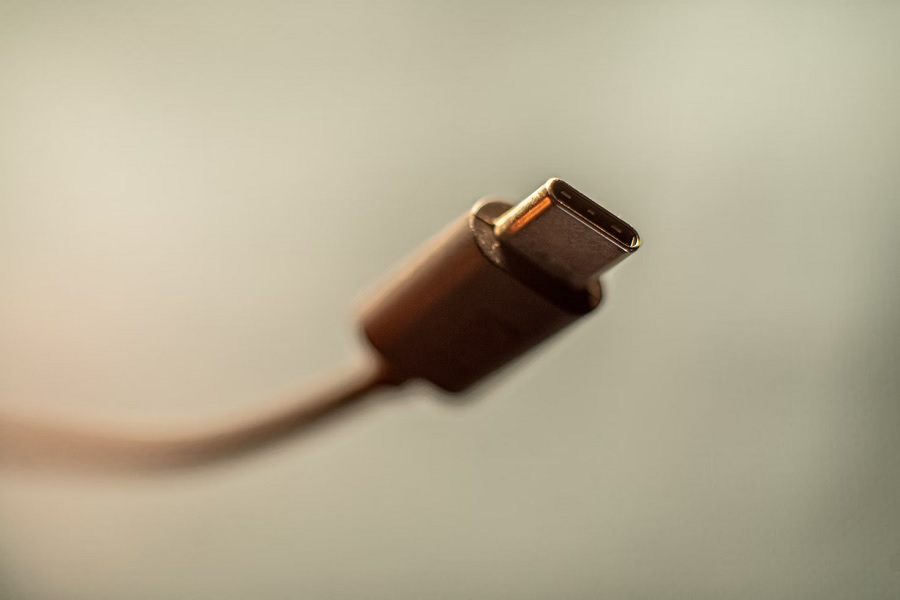
The European Commission, the European Union’s executive arm, has forwarded a proposal that would make the use of USB-C port a requirement on all devices sold in the region. If legislated, Apple is one of the companies likely to be affected the most by this change. However, the iPhone maker might still be able to avoid it without actually replacing its Lightning port with USB-C.
The proposed legislation seeks to revise the EU’s Radio Equipment Directive and would mandate the availability of USB-C ports on phones, tablets, computers, headphones, speakers, and portable gaming consoles. The legislation also aims to unbundle charger sales from device sales, which could mean consumers may purchase new devices without a new charger.
Most Android phone makers are already using USB-C ports for charging, making Apple one of the likely companies to be affected the most by this potential change. However, the Commission told The Verge that the proposal only applies to wired charging. It means devices that can only be charged wirelessly would not be required to have a USB-C port to enter the European market.
If Apple would insist on not using USB-C ports on future iPhones, the tech giant may not be entirely affected by the proposed legislation. It is then worth noting that a portless iPhone has been mentioned in the rumor mill for some time now.
The recently launched iPhone 13 series still uses Apple’s Lightning port for charging. But this is the second year that the company has added MagSafe wireless charging as a standard feature on all new iPhone models. While Apple is mum on the possibility of a portless iPhone, charging iPhones without wired cables is no longer unfathomable.
Meanwhile, the proposal still needs to pass a vote in the European Parliament to be fully enacted into law. When the Parliament adopts the Commission’s proposal, the EU will give manufacturers a 24-month transition period to adapt to the mandatory USB-C ports.
The proposed legislation has been in the works for years, and Apple was one of the companies to submit feedback about it in 2019. “Regulations that would drive conformity across the type of connector built into all smartphones freeze innovation rather than encourage it. Such proposals are bad for the environment and unnecessarily disruptive for customers,” the iPhone maker said at the time.
Photo by Marcus Urbenz on Unsplash







