


 Trump Secures Russian Diesel Deal as US Fuel Prices Surge
  Iran Refuses to Halt Uranium Enrichment Amid US Nuclear Demands
  Flydubai Co-Pilot Planned Suicide Attack on Israel Airport, UAE Says
  US Suspends Microsoft, Adobe From Green Card Program
  Italy Approves Electoral Reform Ahead of 2027 Election
  Zelenskiy Criticizes US as Russian Strikes Kill 78 in Ukraine
  US Charges Maduro and Wife With Torture Conspiracy
  ICC Rules Duterte Fit to Stand Trial in Drug War Case
  JD Vance Questions Pentagon Plan to Livestream Fort Hood Shooter’s Execution
  Zelenskiy Slams US Over Deadly Russian Strikes on Ukraine
  Flavio Bolsonaro Leads Lula 49%-45% in Brazil Runoff Poll
  Berlin Coalition Talks Advance After Left Party Antisemitism Deal
  Trump Cancels Alabama Football Trip as Hurricane Isaias Approaches
  US Pressures Allies to Distance From Anti-Disinformation Conference
  Saudi Airport Attacks Kill Three as Yemen Fighting Escalates
  Trump Rallies in Texas as Republicans Face Tight Midterm Races
  Marco Rubio Warns Russia-Ukraine War Could Spark Wider Conflict


 Add as a preferred source on Google
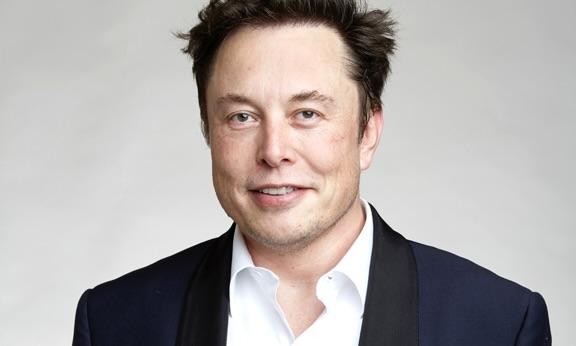
Elon Musk, billionaire entrepreneur and owner of Tesla and X (formerly Twitter), and Vivek Ramaswamy, a prominent entrepreneur and political figure, are reportedly exploring the possibility of ending daylight saving time (DST) as part of their vision for the newly proposed Department of Government Efficiency. The initiative has reignited public discourse about the practicality and relevance of the time-changing practice in modern America.
According to sources close to the development, the plan seeks to streamline outdated government regulations, with daylight saving time being one of the first items targeted for elimination. Musk and Ramaswamy argue that ending DST would enhance productivity and improve public health by eliminating the disruption caused by shifting clocks twice a year.
This proposal comes amid growing scrutiny over the necessity of daylight saving time in an era of advanced technology and flexible work environments. Advocates for the change contend that the practice, originally implemented during World War I to conserve energy, has become obsolete and does more harm than good.
Supporters Highlight Benefits of Stability
Proponents of ending daylight saving time cite several advantages, including improved mental and physical health, higher productivity, and simplified logistics for businesses operating across time zones. Studies have shown that the biannual clock adjustment leads to an increase in workplace accidents, heart attacks, and even road fatalities in the days following the change.
“Daylight saving time is a relic of the past,” said Dr. Laura Simmons, a sleep scientist. “Our bodies are designed for consistent schedules, and the disruption caused by clock changes can have serious health implications.”
Musk and Ramaswamy reportedly view the elimination of DST as an opportunity to simplify government operations while also addressing public concerns about health and well-being. Their broader goal, according to insiders, is to overhaul outdated practices and make government processes more aligned with the 21st century.
Critics Question Priorities and Motivations
While the proposal has garnered support, it has also faced criticism from detractors who argue that ending DST may not be the most pressing issue for government reform. Skeptics have raised concerns that the move is a distraction from more significant challenges, such as healthcare, infrastructure, and climate change.
“Is ending daylight saving time really the best use of our government’s energy?” tweeted @PolicyGuru. “We need solutions to actual problems, not time-zone tinkering.”
Others have expressed doubts about the feasibility of implementing such a change, given the potential pushback from industries that benefit from DST, such as retail and outdoor recreation.
Public Reaction: Social Media Divided
- @TechTitan: “Elon Musk wants to end daylight saving time? Finally, a logical decision. Let’s simplify life for everyone.”
- @EcoWarrior: “This is just a PR stunt. What about addressing climate policies, Elon?”
- @SleeplessInSeattle: “As someone who hates losing an hour of sleep, I fully support this!”
- @OldSchoolTimes: “Daylight saving time has worked for decades. Why mess with it now?”
- @EfficientGov: “Ending DST is the kind of innovative thinking we need in government. Go, Vivek and Elon!”
- @RealityCheck: “Nice try, Musk. Focus on fixing Twitter before tackling time zones.”
A Controversial Path Forward
The potential elimination of daylight saving time could significantly impact American daily life, from business operations to personal routines. While Musk and Ramaswamy’s proposal has ignited debate, it remains to be seen whether the idea will gain enough traction to move forward.
Their broader effort to establish a Department of Government Efficiency will undoubtedly face additional challenges, with questions about priorities and execution dominating discussions. However, one thing is clear: the conversation about modernizing government practices has only just begun.







