


 Lula Meets Mamdani in New York as Elections Approach
  Trump Says U.S.-Iran Peace Deal Near After UN Talks
  Lula and Flavio Bolsonaro Tied in Brazil Runoff Poll
  US-China Talks Target AI, Tariffs Ahead of Trump-Xi Summit
  Trump Administration Prepares Sanctions Against Entire ICC
  Gold Prices Slip as Strong Dollar and Hawkish Fed Pressure Bullion
  Vietnam, US Trade Deal Could Be Signed Soon, To Lam Says
  Trump Meets Venezuela’s Delcy Rodriguez at UN Assembly
  South Korea to Brief Lawmakers on $350 Billion US Investment Package
  Kremlin Says No Grounds Yet for Ukraine Peace Talks
  Scott Bessent Eyed as Trump’s New AI Czar
  China Tightens Fentanyl Rules Ahead of Trump-Xi Summit
  Marco Rubio to Meet Russia’s Lavrov in New York
  Canada Unveils Bill to Fast-Track Major Resource Projects
  Yen Weakens as Dollar Gains on Widening US-Japan Rate Gap
  Carney Condemns Belleville Synagogue Shooting That Wounded Police Officer
  Oil Prices Rise as U.S.-Iran Talks Fuel Diplomacy Hopes


 Add as a preferred source on Google
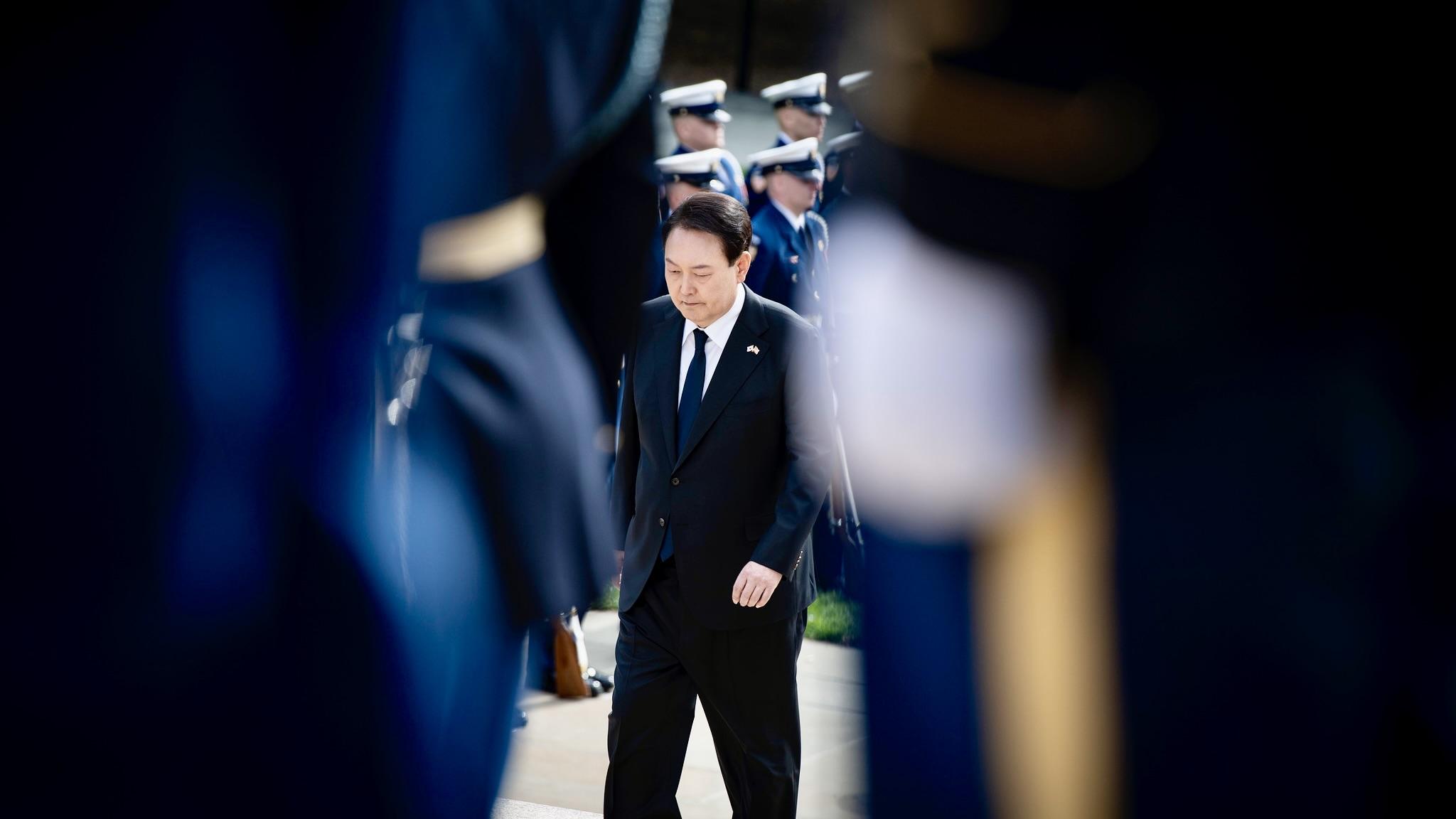
South Korean President Yoon Suk Yeol reversed his martial law order early Wednesday after facing fierce opposition from the National Assembly. The surprise move was declared and rescinded within hours, and it has left the nation questioning the government’s approach to political discord.
National Assembly Ends Martial Law Amid Political Turmoil
According to Yonhap News Agency, the National Assembly decided to end emergency martial law early Wednesday, and South Korean President Yoon Suk Yeol announced the lifting of the ban shortly after. The United States expressed "grave concern" over the political theater that had been going on for hours.
Approximately six hours after he unexpectedly declared a national emergency, accusing the opposition of "paralyzing" the government with "anti-state" actions, his Cabinet voted to cease martial rule enforcement at 4:30 a.m., a decision that sent shockwaves throughout the nation and the world.
A return to normalcy has been announced by the Joint Chiefs of Staff, as the troops that were mobilized to implement martial law have now returned to base.
Yoon Defends Emergency Measures as Necessary for National Stability
"At 11 p.m. last night, I declared emergency martial law with my resolute intent to save the nation in the face of anti-state forces that attempt to paralyze the nation's essential function and the constitutional order of free democracy," stated the president.
"But there was a demand from the National Assembly for the lifting of martial law, (I) have withdrawn troops mobilized to execute martial law affairs," he explained.
Yoon has asserted time and time again that the National Assembly is engaging in "outrageous" actions, such as attempts to impeach government leaders, that he claims impede national functions.
Declaration Sparks Domestic and International Concern
The proclamation of martial law was a shocking development that had far-reaching consequences. Officials from the United States have conveyed their "grave concern" and emphasized the hope that any "political" conflicts in South Korea can be resolved "peacefully."







