


 Venezuela Promises Elections as Delcy Rodriguez Pledges Democratic Transition
  Russian Envoy Dmitriev Heads to US for Ukraine Talks
  Canada Unveils Bill to Fast-Track Major Resource Projects
  Vietnam, US Trade Deal Could Be Signed Soon, To Lam Says
  US Invites Putin to Miami G20, Opening Door to Trump Summit
  Trump Board of Peace Unveils $2.45 Billion Gaza Recovery Plan
  Trump Says U.S.-Iran Peace Deal Near After UN Talks
  Kremlin Says No Grounds Yet for Ukraine Peace Talks
  South Korea, US Discuss Warship Building Cooperation
  US Officials Split Over Response to Israeli West Bank Settlements
  Macron, Trump Discuss Ukraine-Russia Energy Strike Moratorium
  Macron Challenges Trump’s Gaza Peace Claims at UN
  Europe Warns Russia Is Escalating Hybrid Attacks Across NATO
  Zelenskiy Warns Russia Preparing Major Attack on Ukraine
  Scott Bessent Eyed as Trump’s New AI Czar
  Trump to Press Xi on Release of US Nuclear Expert Held in China
  Trump Administration Plans Faster FDA Reviews for Smoke-Free Nicotine Products


 Add as a preferred source on Google
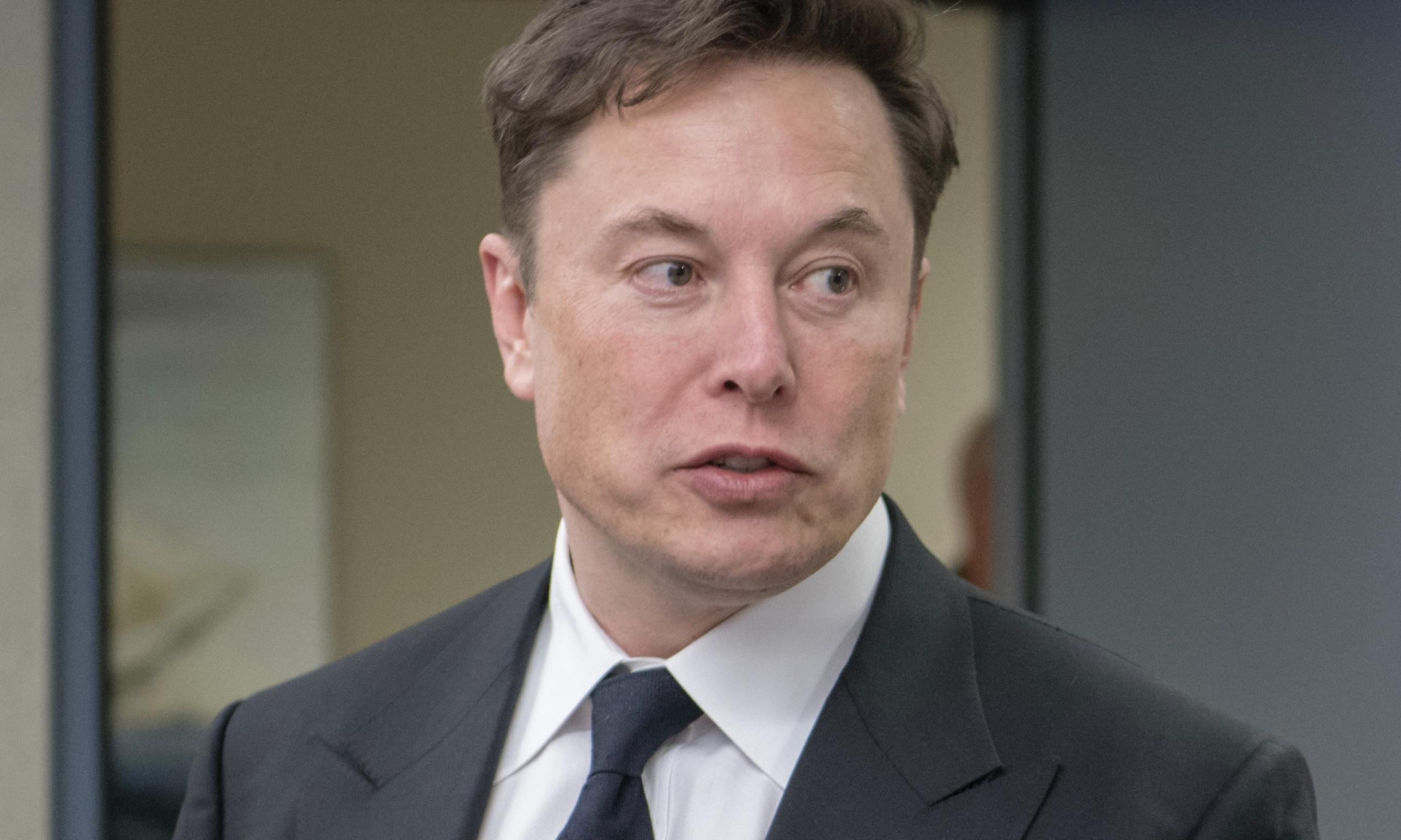
In a bold move to streamline federal operations, tech entrepreneur Elon Musk and biotech investor Vivek Ramaswamy have proposed terminating remote work privileges for federal employees. This initiative aims to reduce government size and enhance efficiency.
Appointed by President-elect Donald Trump to lead the newly established Department of Government Efficiency (DOGE), Musk and Ramaswamy outlined their strategy in a Wall Street Journal op-ed. They argued that mandating a full-time return to the office would prompt voluntary resignations, thereby downsizing the federal workforce.
"Requiring federal employees to come to the office five days a week would result in a wave of voluntary terminations that we welcome," they wrote. "If federal employees don't want to show up, American taxpayers shouldn't pay them for the Covid-era privilege of staying home."
The proposal has sparked a spectrum of reactions. Supporters assert that ending remote work will enhance accountability and productivity within federal agencies. Critics, however, contend that such a mandate could lead to the loss of skilled personnel and disrupt essential services.
Union leaders have expressed strong opposition. Jacqueline Simon, policy director for the American Federation of Government Employees, stated, "These kinds of broadsides from Ramaswamy and Elon Musk show a really tremendous level of ignorance about the operations of the federal government."
On social media, the debate is equally divided. Twitter user @PatriotGuardians expressed support, tweeting, "Finally, a move to cut government waste. #EndRemoteWork." Conversely, @JusticeForAll commented, "This is a shortsighted policy that will harm public services. #SupportFederalWorkers."
The Office of Management and Budget reports that approximately 1.1 million federal employees, nearly half of the civilian workforce, are eligible for telework.
Musk and Ramaswamy's plan includes identifying the minimum number of employees required for agencies to perform their constitutionally permissible and statutory functions. They also propose relocating federal agencies out of the Washington area to further reduce bureaucracy.
As the incoming administration prepares to implement these changes, the impact on federal operations and employee morale remains uncertain. The proposal is expected to face legal challenges and resistance from federal employee unions.
The debate underscores the broader discussion about the future of work in the post-pandemic era and the balance between efficiency and employee flexibility within government operations.







