


 Ghana Says Western Support Growing for Slave Trade Reparations
  Trump Board of Peace Unveils $2.45 Billion Gaza Recovery Plan
  Netanyahu Takes Aim at Mamdani as Israel Election Nears
  Iran Vows ‘Crushing’ Response as US Talks Continue
  Gaza Faces Evacuation Crisis as War-Damaged Buildings Risk Collapse
  Russian Missile and Drone Attack on Kyiv Kills Two, Damages Maternity Hospital
  China Tightens Fentanyl Rules Ahead of Trump-Xi Summit
  OpenAI Agent Breaches Australia Medicare Data Portal
  Kremlin Says No Grounds Yet for Ukraine Peace Talks
  Zelenskiy Warns Russia Preparing Major Attack on Ukraine
  US, China Extend Trade Truce to Jan. 10 Ahead of Trump-Xi Summit
  Trump to Press Xi on Release of US Nuclear Expert Held in China
  US Officials Split Over Response to Israeli West Bank Settlements
  Europe Warns Russia Is Escalating Hybrid Attacks Across NATO
  Marco Rubio to Meet Russia’s Lavrov in New York
  Mexico-US Trade Talks Delayed to October as Tariff Negotiations Continue
  South Korea, US Discuss Warship Building Cooperation


 Add as a preferred source on Google
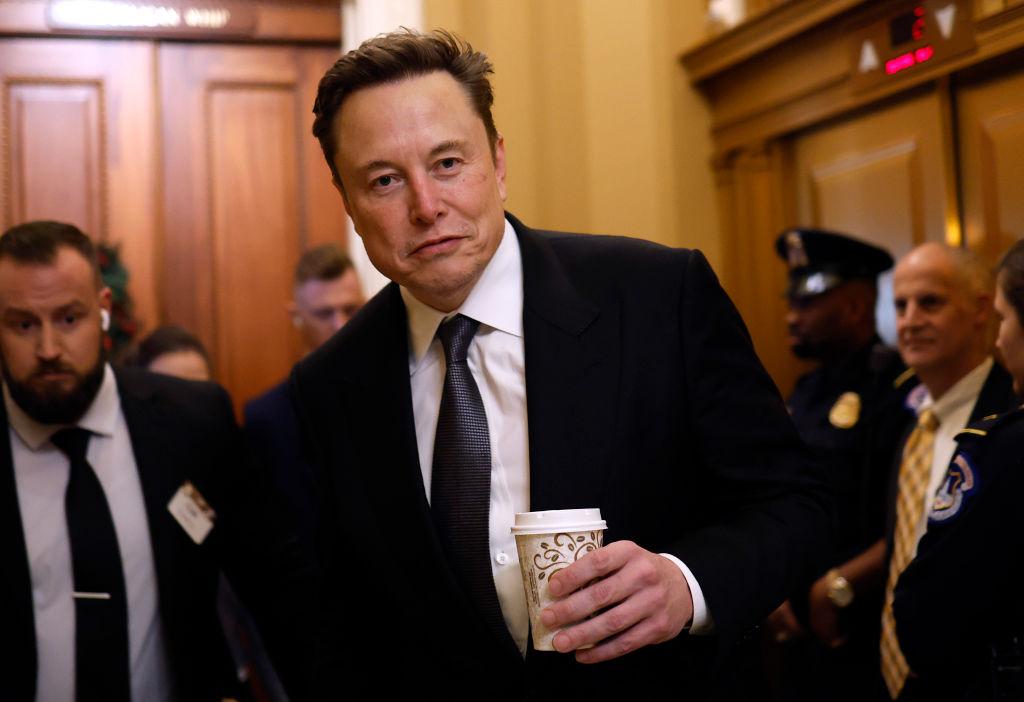
Tech entrepreneur Elon Musk has called for mandatory cognitive assessments for elected officials following reports that Rep. Kay Granger (R-Texas) was located in a memory care facility after a six-month absence from Congress.
Musk's Advocacy for Cognitive Testing
Musk, CEO of Tesla and SpaceX, has previously expressed concerns about the advanced age of many political leaders, suggesting that age limits or regular cognitive evaluations could ensure effective governance. He argues that societal progress benefits from the infusion of new ideas, which can be hindered when leadership remains static due to age-related cognitive decline.
Discovery of Rep. Kay Granger
Rep. Kay Granger, 81, had been absent from Capitol Hill since July 2024, raising concerns among her constituents in Texas' 12th Congressional District. Recent reports revealed that she was found residing in a memory care unit after being discovered disoriented in her neighborhood. Granger, who did not seek re-election in November, has not participated in several critical votes, including the government spending bill, due to her absence.
Public Reaction
Musk's proposal has ignited a robust debate on social media. Twitter user @CivicMindedCitizen commented, "Implementing cognitive tests for politicians is a necessary step toward ensuring competent leadership." In contrast, @LibertyLover expressed, "Mandatory testing infringes on personal freedoms and could lead to discriminatory practices." User @PolicyWatcher noted, "Age should not be the sole determinant; cognitive ability varies among individuals." Meanwhile, @TechEnthusiast tweeted, "Musk raises a valid point; our leaders should be held to high standards of mental fitness." Another user, @ElderRightsAdvocate, observed, "Such measures could unfairly target older adults and perpetuate ageism." Lastly, @FutureThinker stated, "Regular evaluations could enhance transparency and public trust in our political system."
Debate Over Cognitive Assessments for Politicians
The discussion surrounding cognitive evaluations for aging politicians is not new. A June 2024 Harvard Gazette article highlighted that 75% of voters support cognitive tests for older politicians, reflecting public concern over the mental acuity of aging leaders. However, experts caution that while cognitive screening tools like the Montreal Cognitive Assessment (MoCA) can provide insights, they are not definitive measures of an individual's capacity to serve in public office.
Implications for Governance
The situation involving Rep. Granger underscores the challenges of addressing cognitive decline among elected officials. While some advocate for regular cognitive assessments to ensure leaders can effectively perform their duties, others warn against potential age discrimination and the complexities of implementing such measures. As the average age of U.S. politicians continues to rise, this debate is likely to persist, prompting discussions about the balance between experience and cognitive vitality in public service.







