


 Alphabet Replaces Verizon in Dow Jones Industrial Average
  SpaceX Stock Plunges 16% as KeyBanc Warns Valuation May Be Overstretched
  US Expands Iran Sanctions, Targets Major Crypto Exchanges and Individuals
  California Drivers Sue BP, Walmart, 7-Eleven Over Alleged AI Gas Price Fixing
  Oracle Cuts 21,000 Jobs as AI Reshapes Workforce and Cloud Expansion Accelerates
  JPMorgan Sees Strong Strategic Value in Potential AbbVie Acquisition of Apogee Therapeutics
  RFK Jr. Orders Extended Hantavirus Quarantine for Cruise Passenger
  Los Angeles World Cup Security Plans: No ICE Immigration Enforcement at FIFA 2026 Matches, Officials Say
  Qualcomm Nears $4 Billion Acquisition of AI Chip Startup Modular
  WiseTech Global Denies Knowledge of Investigation Into Founder Richard White
  Anthropic AI Model Uncovers Vulnerabilities in Classified U.S. Government Systems During Security Test
  NTSB Investigates Boston Logan Airport Near-Miss Between Delta and American Airlines Jets
  Trump Administration Delays DeepSeek and CXMT Trade Blacklist Designations Amid U.S.-China Tensions
  Tencent Reviews Marvelous Stake as Gaming Giant Reassesses Global Investment Strategy
  Trump Says Anthropic No Longer Seen as National Security Threat
  Today’s space race could turn fatal if we don’t agree on new rules
  SpaceX Stock Rebounds After Sharp Selloff, But Valuation Concerns Persist


EchoStar has agreed to sell wireless spectrum licenses to SpaceX for about $17 billion, boosting SpaceX’s Starlink satellite network while easing U.S. regulatory concerns. The deal, announced Monday, sent EchoStar shares up nearly 22% in premarket trading.
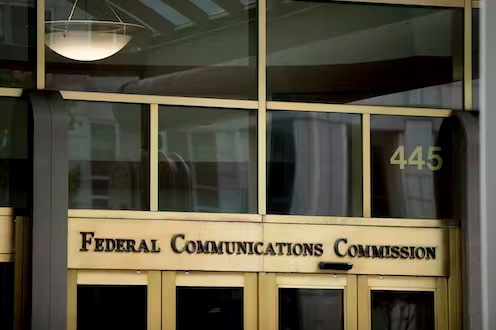
The Federal Communications Commission (FCC) had questioned EchoStar’s underuse of mobile-satellite service spectrum and its progress in 5G deployment. U.S. President Donald Trump had also urged the company and FCC Chair Brendan Carr to find common ground. EchoStar believes this transaction, combined with its $23 billion spectrum sale to AT&T in August, will resolve FCC inquiries.
Under the agreement, SpaceX will pay up to $8.5 billion in cash and $8.5 billion in stock, while also covering around $2 billion in EchoStar’s debt interest through 2027. Additionally, EchoStar’s Boost Mobile customers will gain access to Starlink’s direct-to-cell service, enhancing connectivity for mobile users.
This sale means EchoStar will lose significant spectrum for 5G deployment but continue operating Dish TV, Sling TV, HughesNet internet, and the Boost Mobile brand.
The FCC has emphasized the need for efficient use of scarce spectrum, while SpaceX has long argued that EchoStar left valuable mid-band spectrum underutilized. In April, SpaceX told regulators that EchoStar’s 2 GHz spectrum was “ripe for sharing” and better suited for next-generation satellite services.
The agreement strengthens Starlink’s ability to run direct-to-cell services on its own frequencies, reducing reliance on carrier partnerships like T-Mobile. With over 8,000 Starlink satellites launched since 2020, SpaceX continues to expand its low-Earth orbit network, serving militaries, businesses, and rural consumers.
Shares of U.S. telecom giants AT&T, T-Mobile, and Verizon slipped about 4% in premarket trading following the announcement.







