


 Asian Stocks Fall as Surging Bond Yields Rattle Markets
  China Reviews Broadcom Switch Use in State Data Centres
  Australia Tightens Student Visa Rules, Targets Migration Cut by 2028
  Netanyahu Defends Israel at UN as Delegates Stage Walkout
  Appeals Court Rejects Trump Third-Country Deportation Policy
  Judge Blocks Trump Rule Limiting Foreign Student Visas
  US Backs Musk in Fight Against EU’s €120 Million X Fine
  US Resumes Immigrant Visa Processing for Hungary, Poland
  US Judge Dismisses Imran Ahmed Deportation Lawsuit
  Synthetic data could ease people’s concerns about privacy breaches. But who gets to create it?
  Australia Unemployment Hits Five-Year High Despite Strong Jobs Growth
  Yemen Violence Displaces 130,000 as Civilian Toll Rises
  Netanyahu’s Brief US Trip Highlights Strains With Trump
  FDA Weighs Safety Standards for Psychedelic Therapies
  Trump, Xi Focus on Trade and AI at White House Summit
  China’s ‘Lipstick King’ Says AI Won’t Replace Livestream Hosts


 Add as a preferred source on Google
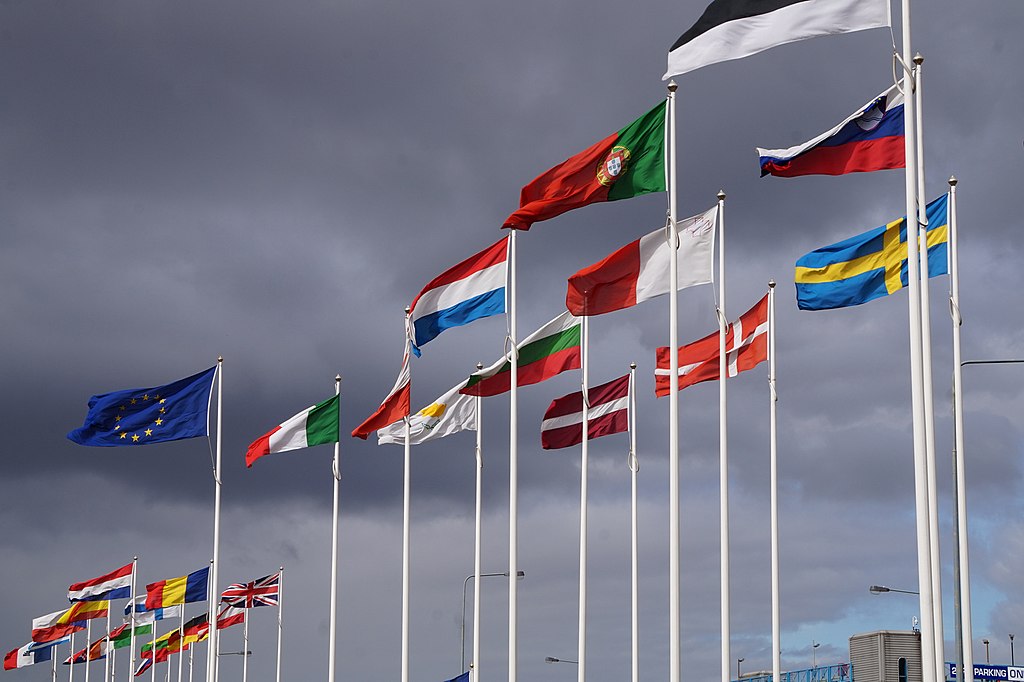
The European Union has condemned President Donald Trump’s decision to double tariffs on imported steel and aluminum, warning of swift countermeasures that could escalate global trade tensions. Announced Friday near Pittsburgh, Trump raised existing steel and aluminum tariffs from 25% to 50%, aiming to protect U.S. industry and bolster a $14.9 billion Nippon Steel–U.S. Steel deal.
The European Commission responded sharply, calling the move a threat to transatlantic economic stability and global supply chains. “This decision adds further uncertainty to the global economy and increases costs for consumers and businesses on both sides of the Atlantic,” a spokesperson said. The EU is finalizing consultations on expanded retaliatory tariffs, set to take effect by July 14 unless a negotiated solution is reached.
The U.S., the world’s largest steel importer in 2024 with 26.2 million tons (excluding the EU), is likely to see broad price increases across sectors due to the tariff hike. Trump’s decision follows earlier trade tensions with China over critical minerals and marks a renewed push for protectionist policies in his second term.
The reaction from global trade partners was swift. Canada’s Chamber of Commerce criticized the tariffs as a threat to North American economic security, while Canada’s United Steelworkers called it a direct attack on its workers. Australia’s Trade Minister labeled the move “unjustified and not the act of a friend.”
The new U.S. tariffs on steel and aluminum products are scheduled to take effect Wednesday, intensifying pressure on global metal producers and risking further trade retaliation.







