


 Macron Challenges Trump’s Gaza Peace Claims at UN
  US, Japan and South Korea Back Taiwan Ahead of Trump-Xi Summit
  Macron, Trump Discuss Ukraine-Russia Energy Strike Moratorium
  Trump Meets Venezuela’s Delcy Rodriguez at UN Assembly
  UK, Mauritius Seek Diego Garcia Base Deal
  CNN, MS NOW and Politico Sue Trump Over White House Media Ban
  Trump Board of Peace Unveils $2.45 Billion Gaza Recovery Plan
  Trump Says U.S.-Iran Peace Deal Near After UN Talks
  US, Denmark and Greenland Set to Sign Arctic Security Deal
  Lula Meets Mamdani in New York as Elections Approach
  Carney Condemns Belleville Synagogue Shooting That Wounded Police Officer
  Zelenskiy Warns Russia Preparing Major Attack on Ukraine
  China Tightens Fentanyl Rules Ahead of Trump-Xi Summit
  Iran Vows ‘Crushing’ Response as US Talks Continue
  US Plans Two New Military Bases in Greenland Under Arctic Deal
  Vietnam, US Trade Deal Could Be Signed Soon, To Lam Says
  Lula and Flavio Bolsonaro Tied in Brazil Runoff Poll


 Add as a preferred source on Google
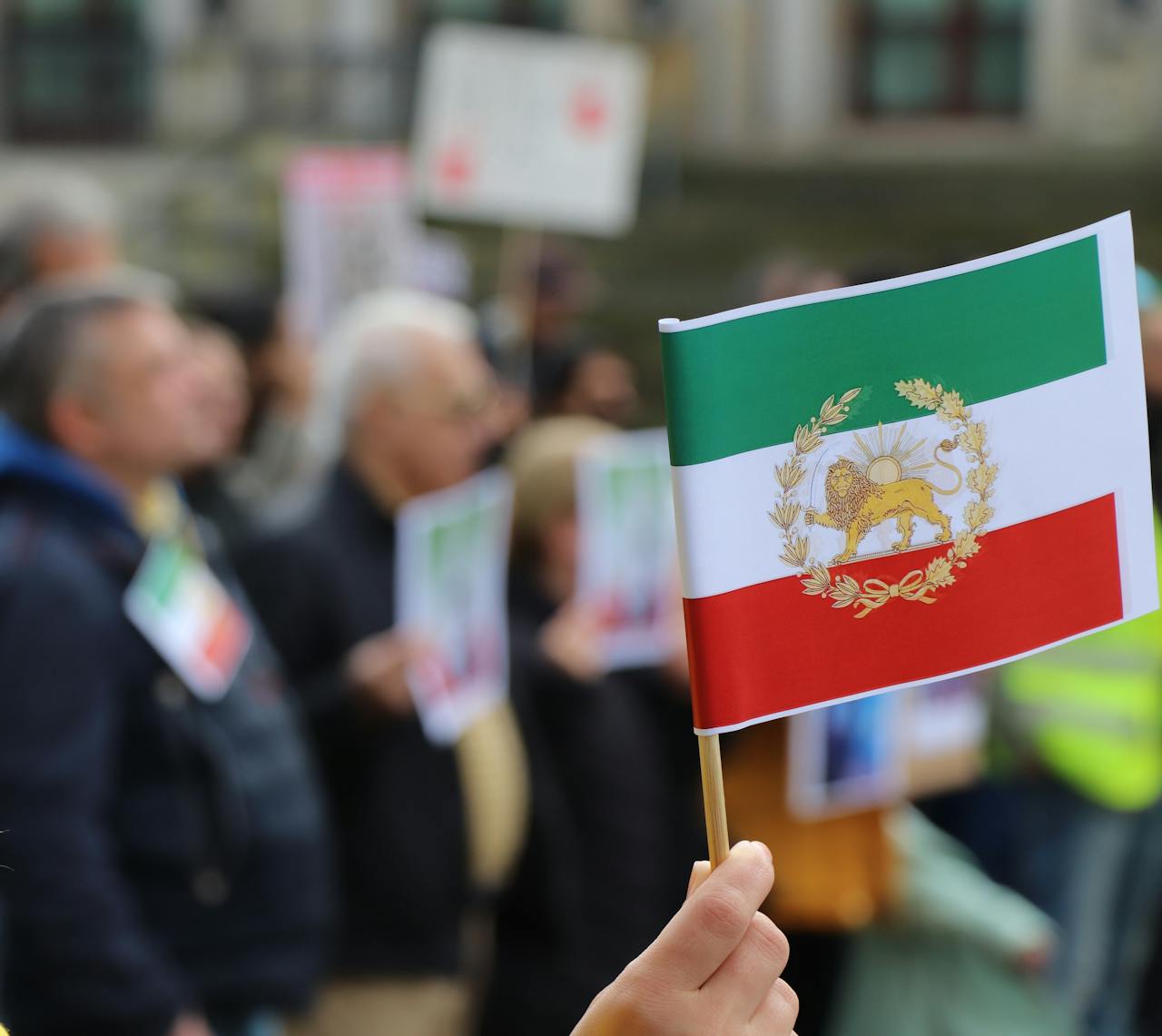
The United Kingdom, France, Germany, and Italy have expressed their willingness to lift sanctions on Iran if the country takes concrete steps to address concerns surrounding its nuclear program. The announcement came after the United States and Iran reached a landmark agreement aimed at ending their recent conflict, raising hopes for greater stability in the Middle East.
In a joint statement released on Sunday, the leaders of the four European nations, collectively known as the E4, reaffirmed their commitment to preventing nuclear proliferation while supporting diplomatic efforts to resolve tensions. The leaders emphasized that Iran must never obtain a nuclear weapon and pledged to work closely with the United States, Iran, and the International Atomic Energy Agency (IAEA) to ensure compliance with international nuclear standards.
The statement signals a potential shift in international relations with Iran, as European powers seek to encourage cooperation through diplomacy rather than continued economic pressure. Any decision to ease sanctions would depend on Iran demonstrating measurable progress on its nuclear commitments and maintaining transparency with international inspectors.
The U.S.-Iran agreement has been viewed as a significant breakthrough after months of heightened tensions and military confrontations that raised concerns about a broader regional conflict. European leaders welcomed the deal, describing it as an important opportunity to advance peace, security, and nuclear non-proliferation efforts.
Analysts believe that the possibility of sanctions relief could provide Iran with incentives to engage constructively with the international community and revive economic activity affected by years of restrictions. At the same time, Western governments remain focused on ensuring that Iran’s nuclear activities remain exclusively peaceful.
The E4 nations stressed that continued cooperation with the IAEA will be essential in building trust and verifying Iran’s adherence to its obligations. Their statement highlights a coordinated international approach aimed at preventing nuclear weapons development while supporting diplomatic solutions that could contribute to long-term regional stability and improved relations between Iran and Western powers.







