


 Switch Seeks $2 Billion Funding at Nearly $50 Billion Valuation Ahead of Potential IPO
  Asian Stocks Slide as Chip Shares Tumble Ahead of Key U.S. Jobs Report
  Denmark Central Bank Intervenes to Support Krone Peg Against Euro
  Mary Daly Says AI Uncertainty Clouds Fed Rate Outlook Despite Restrictive Policy
  Meta Stock Jumps as AI Cloud Expansion Challenges AWS, Microsoft, and Google
  China Services PMI Beats Forecasts as Strong Demand Supports June Growth
  Turkey Vehicle Sales Fall 11.4% in June as Auto Market Weakens
  Kuaishou Stock Jumps as Kling AI Secures $2 Billion Funding Round
  Sodexo Raises 2026 Revenue Outlook After Strong Q3 Sales Beat
  Trump Reports $1.4 Billion in Crypto Income as Digital Assets Become Top Wealth Source
  BHP Workers Approve New Labour Agreement at WA Iron Ore Operations
  Chinese Copper Foil Maker Londian Files U.S. IPO as EV Battery Demand Grows
  Goldman Sachs Flags 3 Key Risks Ahead of Europe’s Earnings Season
  ShareChat Eyes 2027 IPO After Reaching Operational Profitability, Report Says
  TetherMax Rebranding Highlights Official Exchange Partnerships as Foundation of Trust
  EU Chip Industry Faces Growing Risks From China Export Controls and U.S. Technology Dependence: Report
  Oil Prices Slip as Oversupply Concerns and U.S.-Iran Talks Shape Market Outlook


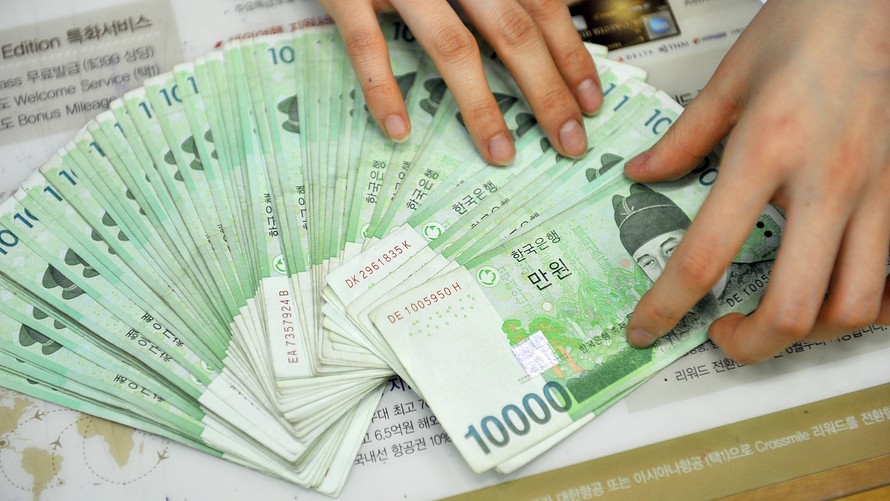
South Korea and Turkey have signed a three-year currency swap agreement for 2.3 trillion won to boost trade between them.
The agreement was signed by the Bank of Korea and the Central Bank of the Republic of Turkey.
The BOK said the agreement is designed to promote bilateral trade through a swap-financed trade settlement facility and the two countries' financial cooperation for economic development.
The deal is renewable through a bilateral agreement, according to the BOK.
A currency swap allows countries beset by a liquidity crunch to borrow money from other countries by using its currency.
South Korea has bilateral currency swap arrangements with seven other countries, including the US, Australia, and China.
In June, the BOK and the US Federal Reserve agreed to prolong their $60 billion currency swap, set to expire on Sept. 30, by another three months to ease market uncertainties in South Korea over the pandemic.







