


 Canada Unveils Bill to Fast-Track Major Resource Projects
  North Korea Fires Two Ballistic Missiles From Wonsan
  Denmark Says Greenland Sovereignty Protected in US Military Deal
  Trump Scales Back Endangered Species Act Protections
  Diana’s Brother Backs Security for Harry and Meghan
  Russian Drone Attacks Kill Four in Kyiv Region, Including Three Children
  US-China Talks Target AI, Tariffs Ahead of Trump-Xi Summit
  UK, Mauritius Seek Diego Garcia Base Deal
  Trump, Iran Trade Threats as Middle East Tensions Escalate
  AfD Wins German State Election as Merz’s CDU Hits Historic Low
  Burnham Eyes UK Leadership Role in AI Ahead of Trump Meeting
  United Russia Leads Russia Election as Ukraine Drones Hit Moscow
  US, Denmark and Greenland Set to Sign Arctic Security Deal
  Zelenskiy Meets CIA Chief John Ratcliffe at Ireland’s Shannon Airport
  Trump Administration Prepares Sanctions Against Entire ICC
  Trump Open to Pezeshkian Meeting as Iran Tensions Escalate


 Add as a preferred source on Google
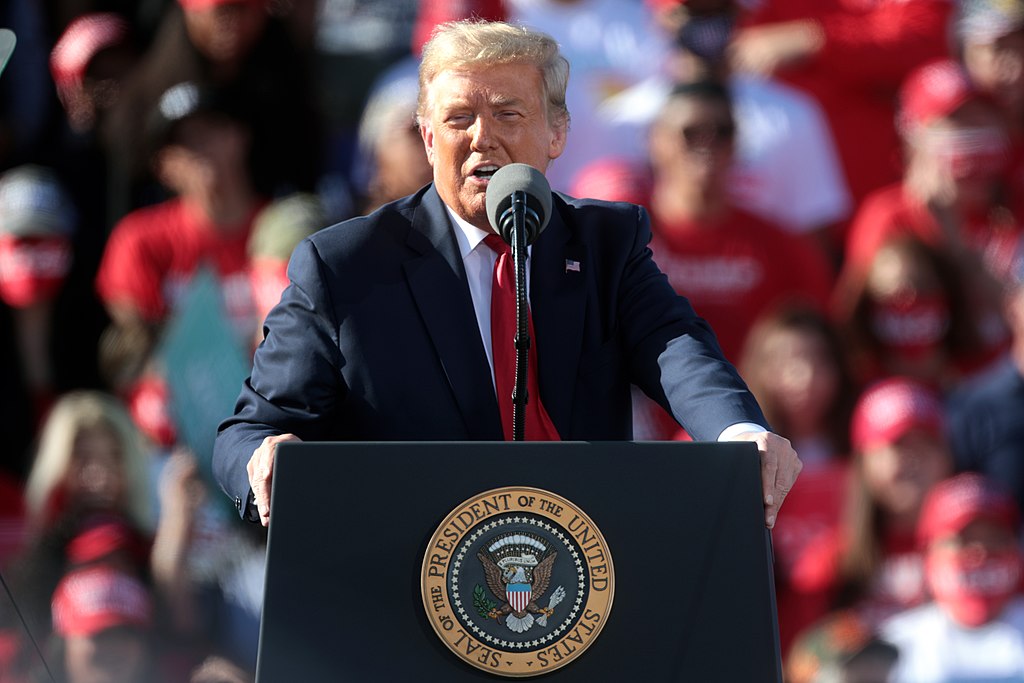
As President Donald Trump settles into his second term in 2025, his relationship with Wall Street continues to be a polarizing topic. While some hail his administration’s pro-business policies as catalysts for economic growth, others criticize them as favoring the ultra-wealthy at the expense of working Americans. Trump's close ties to financial institutions and major corporations are shaping his economic agenda, drawing both praise and backlash.
Pro-Business Policies Drive Wall Street Optimism
Wall Street has been quick to embrace Trump’s 2025 policies, which include rolling back financial regulations implemented during previous administrations. The administration has touted these measures as necessary to foster innovation and maintain U.S. competitiveness in global markets.
Trump has also pushed for tax cuts targeting corporations and high-income earners, sparking a surge in stock market performance. The Dow Jones Industrial Average recently hit a record high, with investors crediting the administration’s business-friendly stance for bolstering confidence.
“America’s financial system is the engine of global growth,” Trump declared during a recent speech at the Economic Club of New York. “My administration will ensure that Wall Street remains strong and that our economy benefits every American.”
Supporters argue that these policies have led to job creation and higher wages, particularly in industries reliant on investment capital. Financial analysts have praised Trump’s leadership for reinvigorating markets and restoring faith in U.S. economic dominance.
Critics Question Impact on Main Street
Despite Wall Street’s enthusiasm, critics claim Trump’s policies disproportionately benefit wealthy investors while leaving middle- and lower-income Americans behind. Advocacy groups argue that deregulation poses risks to economic stability, citing fears of another financial crisis.
Economist Rachel Donovan, a vocal critic, described the administration’s approach as a “reckless gamble” that prioritizes short-term gains over long-term sustainability. “We’ve seen this before,” she warned. “The unchecked greed of Wall Street can have devastating consequences for ordinary Americans.”
Furthermore, Trump’s decision to appoint several former Wall Street executives to key economic advisory roles has drawn scrutiny. Opponents accuse his administration of enabling corporate interests to influence policy at the expense of broader public welfare.
Social Media Reactions Highlight Divisions
Trump’s relationship with Wall Street has ignited intense debate on social media platforms, with users expressing mixed opinions:
- @StockBull2025: “The markets are booming under Trump. Why complain when everyone’s 401(k)s are growing?”
- @JusticeForMainSt: “This administration is catering to billionaires while working families struggle to make ends meet. Enough is enough.”
- @EconomyQueen: “Say what you will, but Trump knows how to deliver for investors. My portfolio thanks him!”
- @StopCorporateGreed: “This isn’t economic growth; it’s a heist. Wall Street wins, and Main Street loses.”
- @FreedomInvestor: “Finally, a president who understands the importance of a strong financial sector. Trump delivers again!”
- @EqualOppNow: “Corporate tax cuts don’t trickle down. This is nothing more than another handout to the rich.”
The Road Ahead for Trump’s Economic Vision
As Trump deepens his ties with Wall Street, his administration’s economic policies will likely remain a focal point of debate. Proponents argue that his approach ensures America’s financial supremacy, while critics warn of widening inequality and potential risks to stability.
The ultimate impact of Trump’s policies on the broader economy remains uncertain. However, one thing is clear: his relationship with Wall Street will continue to dominate discussions about economic justice and prosperity.







