


 Macron, Trump Discuss Ukraine-Russia Energy Strike Moratorium
  Iran Vows ‘Crushing’ Response as US Talks Continue
  Venezuela Promises Elections as Delcy Rodriguez Pledges Democratic Transition
  Trump Administration Plans Faster FDA Reviews for Smoke-Free Nicotine Products
  Trump Board of Peace Unveils $2.45 Billion Gaza Recovery Plan
  Russian Strikes Kill Eight Across Ukraine as Energy Sites Hit
  Sudan Rejects US Legitimacy Remarks, Defends Sovereignty
  Trump to Press Xi on Release of US Nuclear Expert Held in China
  Gaza Faces Evacuation Crisis as War-Damaged Buildings Risk Collapse
  Europe Warns Russia Is Escalating Hybrid Attacks Across NATO
  China Tightens Fentanyl Rules Ahead of Trump-Xi Summit
  Lula and Flavio Bolsonaro Tied in Brazil Runoff Poll
  Trump Says U.S.-Iran Peace Deal Near After UN Talks
  Zelenskiy Warns Russia Preparing Major Attack on Ukraine
  Burnham Eyes UK Leadership Role in AI Ahead of Trump Meeting
  South Korea, US Discuss Warship Building Cooperation
  US Invites Putin to Miami G20, Opening Door to Trump Summit


 Add as a preferred source on Google
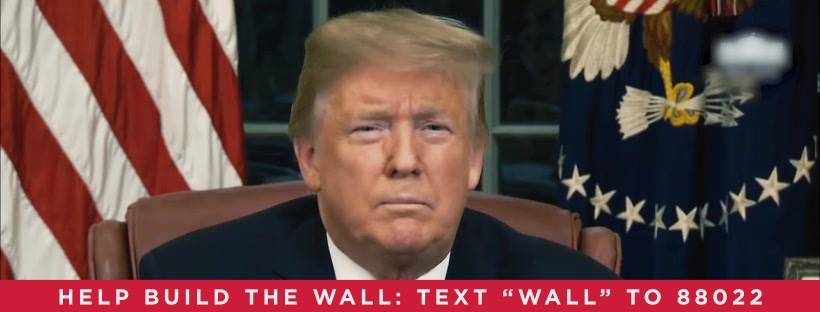
President Donald Trump signed phase one of the U.S. trade deal which China on Wednesday, January 15, finally ending the almost two-year trade war between the two largest economies of the world.
The trade war’s ending should be good news for farmers and a positive development for Donald Trump’s 2020 election efforts. “Together we are righting the wrongs of the past and delivering a future of economic justice and security,” Trump said from East Room of the White House where the signing took place, according to CNN. “Most people thought this could never happen.”
Donald Trump’s counterpart China's President Xi Jinping was not able to attend the signing but sent a letter through Vice Premier and top negotiator Liu He. In the letter, Xi noted that the agreement is proof that differences between China and the U.S. could be resolved through dialogue.
In his letter, Xi also expressed optimism for future trade relations between the two countries and said that the agreement is “good for China, the US, and the whole world.” He also hoped that the U.S. would fairly treat Chinese firms doing business in America.
Under the agreement, China commits to buying at least $200 billion worth in U.S. exports within the next two years, according to CNBC. These include “manufactured goods, food, agricultural, energy products and services.” Based on White House estimates, China will buy $35 billion in services, $53 billion in energy, $80 billion in manufactured goods and $32 billion in agricultural exports.
There is also a set minimum amount of agricultural products that China will buy from the U.S. each year. For the first year, China has promised to buy$12.5 billion in agricultural products and another $19.5 billion in the second year. The deal could help stop the U.S. declining agricultural export since the trade war started.
“China was once the largest market for U.S. agricultural products but has dropped to fifth largest since retaliatory tariffs were introduced,” American Farm Bureau Federation President Zippy Duvall told CNN. “This agreement will help turn around two years of declining agricultural exports.”
For its part, the U.S. will reduce tariffs from 15 percent to 7.5 percent on $120 billion worth of Chinese products.







