


 Prysmian, Rio Tinto Supply Low-Carbon Cables for Amazon Ohio Data Center
  Meta CEO Zuckerberg Backs Independent AI Safety Reviews Over Development Slowdown
  SoftBank Raises $11.1 Billion in Bond Sale to Fund OpenAI Investment
  Apple Pay Set for India Launch With Axis Bank
  Trump Says ‘Freedom’ Is Coming to Cuba
  Tencent Launches TenPayGo Payment App for Foreign Tourists in China
  Russian Missile and Drone Attack on Kyiv Kills Two, Damages Maternity Hospital
  Meta Connect Spotlights Camera-Free Smart Glasses Amid Privacy Concerns
  US 10-Year Treasury Yield at 6% Emerges as New Market Risk Threshold
  Petrobras Joins Brazil’s New Diesel Subsidy Program
  OpenAI Urges US-Led Global Standards for Frontier AI
  Iran Vows ‘Crushing’ Response as US Talks Continue
  US Federal Register Drops Alibaba Qwen AI Search Tool
  Japan, U.S. Discuss $19 Billion GlobalFoundries Chip Plant
  China Vanke Shares Jump as Beijing Moves to Ease Debt Pressure
  Ghana Says Western Support Growing for Slave Trade Reparations
  SpaceX Nasdaq 100 Weight to More Than Double in Rebalance


 Add as a preferred source on Google
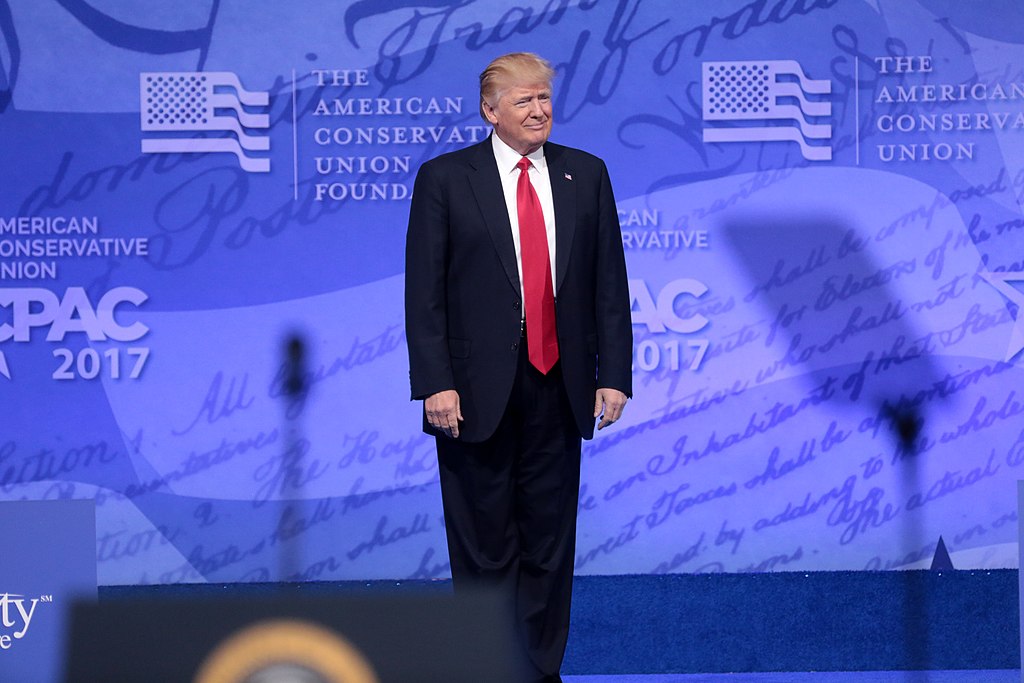
Former President Donald Trump is predicted to waive China tariffs on Apple to protect the U.S. tech giant from losing market share to its South Korean rival Samsung. The claim, made by prominent tech analyst Gene Munster, comes amid ongoing trade tensions between the United States and China, which have significantly impacted major technology companies.
Munster, a managing partner at Deepwater Asset Management, stated that Trump’s strategy would likely include favorable treatment for Apple if he were to regain office. The move would aim to level the playing field for the Cupertino-based company, which relies heavily on Chinese manufacturing for its devices.
“If Trump returns to the White House, I believe he will waive Apple’s China tariffs,” Munster said in an interview. “The objective would be to prevent Apple from falling behind Samsung in the global smartphone market.”
The prediction underscores the intersection of politics, economics, and competition in the technology sector. Apple, heavily dependent on Chinese suppliers, faces higher production costs due to U.S. tariffs on goods imported from China. Samsung, which manufactures a significant portion of its products outside China, has enjoyed a competitive edge as a result.
Apple’s China Challenges and Competitive Pressure
The tariffs imposed during Trump’s presidency were part of a broader strategy to address trade imbalances with China. However, these measures also increased Apple’s manufacturing expenses, forcing the company to absorb the costs or pass them to consumers.
Samsung, Apple’s largest competitor, was less affected due to its diversified production in countries like Vietnam and South Korea. Analysts argue this disparity has placed Apple at a disadvantage in both pricing and market share.
“Waiving the tariffs could be a strategic decision to boost Apple’s competitiveness,” said tech industry expert Karen Ross. “It would help level the field against Samsung and reinforce America’s dominance in the global tech sector.”
Apple has taken steps to diversify its supply chain, shifting some production to India and Vietnam. However, China remains its most critical manufacturing hub, making the tariff issue a key factor in the company’s future performance.
Public Reaction Sparks Heated Online Debate
The possibility of Trump waiving Apple’s tariffs has triggered strong reactions across social media, with netizens divided on the implications for trade, tech, and politics.
User @TechPolicyWatch posted, “Trump protecting Apple? This is about business and competition. Samsung has had an unfair advantage.”
Meanwhile, @FairTradeNow criticized the prediction, tweeting, “Waiving tariffs undermines the purpose of holding China accountable. This would be a political giveaway.”
Supporter @AppleFan2024 wrote, “Apple deserves support. Tariffs hurt American companies more than they punish China.”
Conversely, @GlobalMarkets2023 commented, “This is another example of Trump playing favorites. The tech market should be fair for everyone.”
User @ConsumerFirstUSA added, “If this helps lower iPhone prices, I’m all for it. Tariffs have driven up costs.”
Finally, @SamsungAdvocate posted, “Why bail out Apple? Samsung has managed without help. Competition should be about innovation, not politics.”
What This Means for Apple and Trade Policy
While Trump’s potential tariff strategy remains speculative, it highlights the broader debate over trade policies and U.S. companies’ competitiveness. Waiving tariffs for Apple could boost its margins and help regain market share lost to Samsung. However, critics argue it may signal inconsistency in holding China accountable.
With Apple’s reliance on Chinese manufacturing unlikely to disappear overnight, the outcome of future trade policies could significantly shape the global tech industry. Whether Trump acts on such predictions will depend on the evolving economic and political landscape.







