


 AstraZeneca, Bristol Myers Squibb Explore Mega Merger Worth Nearly $400 Billion
  New Mexico Measles Outbreak Cost Reached $5.4 Million, Study Finds
  Iran Says Diplomacy Only Path to End U.S.-Israel Conflict
  3 clinical-grade skincare creams you really shouldn’t buy online
  China Agrees to Buy 20 Million Tons of U.S. Coal
  Novo Nordisk Strikes €1.17 Billion Nanexa Drug Delivery Deal
  Pope Leo Warns UN, Multilateral Groups Face Crisis
  France Keeps Top Health Alert as Officials Brace for Another Heatwave
  GLP-1 Weight-Loss Drug Use Surges Among U.S. Children
  Eli Lilly Eyes AtaiBeckley Acquisition to Expand Psychedelic Mental Health Pipeline
  Iran Awaits U.S. Response on Hormuz Ceasefire Proposal
  Trump Asks Supreme Court to Restore Third-Country Deportations
  Colombia Extradites FARC Dissident Leader ‘Spider’ to US
  France Battles Mediterranean Wildfires as Heatwave Fuels Fire Risk
  Najib Razak Seeks Stay of 15-Year 1MDB Prison Sentence


 Add as a preferred source on Google
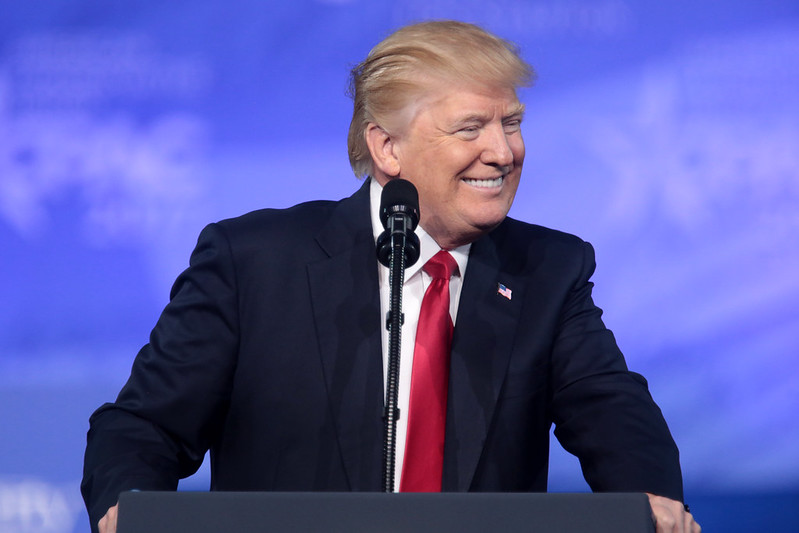
President Donald Trump recently made a post on social media saying that coronavirus numbers are decreasing “almost everywhere.” However, his claim is in contrast to an unreleased White House report showing that coronavirus infection rate is actually increasing in several metropolitan areas across the country.
“Coronavirus numbers are looking MUCH better, going down almost everywhere,” Donald Trump tweeted on Monday, according to CNBC News. “Big progress being made!”
However, undisclosed data from a May 7 coronavirus task force report suggest otherwise. Contrary to Donald Trump’s claim, coronavirus infection rates are on the rise in “several metropolitan areas and smaller communities across the country.”
The report said that infections rose by 72.4 percent or higher in a seven-day period for the top 10 areas with a noted spike in COVID-19 cases. At the top of the list is Central City, Kentucky, which posted a 650 percent surge in the number of confirmed coronavirus cases in a week’s time. The other areas mentioned are Amarillo in Texas, Nashville in Tennessee, and Des Moines in Iowa.
The report also identified several places labeled as “locations to watch,” which are probably areas where infections are likely to increase. The areas mentioned in the report include Columbus, Ohio; Kansas City, Missouri’ Charlotte, North Carolina; Omaha and Lincoln, Nebraska; Montgomery, Alabama; Nebraska, Minneapolis, and Phoenix.
Given the data, Columbia University National Center for Disaster Preparedness director Dr. Irwin Redlener pointed out that there is no downward trend contrary to what Trump has claimed. “Anybody that claims we're on a downward trajectory nationally is out of touch with reality,” Dr. Redlener said. He is also NBC News and MSNBC’s public health analyst.
Redlener also highlighted the possibility that coronavirus infection rates data are likely inaccurate given the low testing rates in the U.S. “There isn't a single state in the union that has sufficient testing,” he said.
“It's not appropriate to say the U.S. is consistently on a downward trend at all,” Dr. Redlener added. “In some places, it might be the direct opposite of that.”
Experts expect the coronavirus situation to worsen as some states start to open up their respective economies. For this reason, the Institute for Health Metrics and Evaluation at the University of Washington raised its death toll estimates due to the easing of social distancing measures.







