


 Scott Bessent Eyed as Trump’s New AI Czar
  Paramount-Warner Bros $110 Billion Deal Draws Antitrust Backlash
  UK, Mauritius Seek Diego Garcia Base Deal
  Trump Says U.S.-Iran Peace Deal Near After UN Talks
  Trump to Press Xi on Release of US Nuclear Expert Held in China
  Lula Meets Mamdani in New York as Elections Approach
  Russian Strikes Kill Eight Across Ukraine as Energy Sites Hit
  Denmark Says Greenland Sovereignty Protected in US Military Deal
  CNN, MS NOW and Politico Sue Trump Over White House Media Ban
  US, Denmark and Greenland Set to Sign Arctic Security Deal
  Trump Open to Pezeshkian Meeting as Iran Tensions Escalate
  Zelenskiy Meets CIA Chief John Ratcliffe at Ireland’s Shannon Airport
  Trump Meets Venezuela’s Delcy Rodriguez at UN Assembly
  Carney Condemns Belleville Synagogue Shooting That Wounded Police Officer
  South Korea to Brief Lawmakers on $350 Billion US Investment Package
  Trump Scales Back Endangered Species Act Protections
  Taiwan Vows to Advance US Arms Sales Ahead of Trump-Xi Meeting


 Add as a preferred source on Google
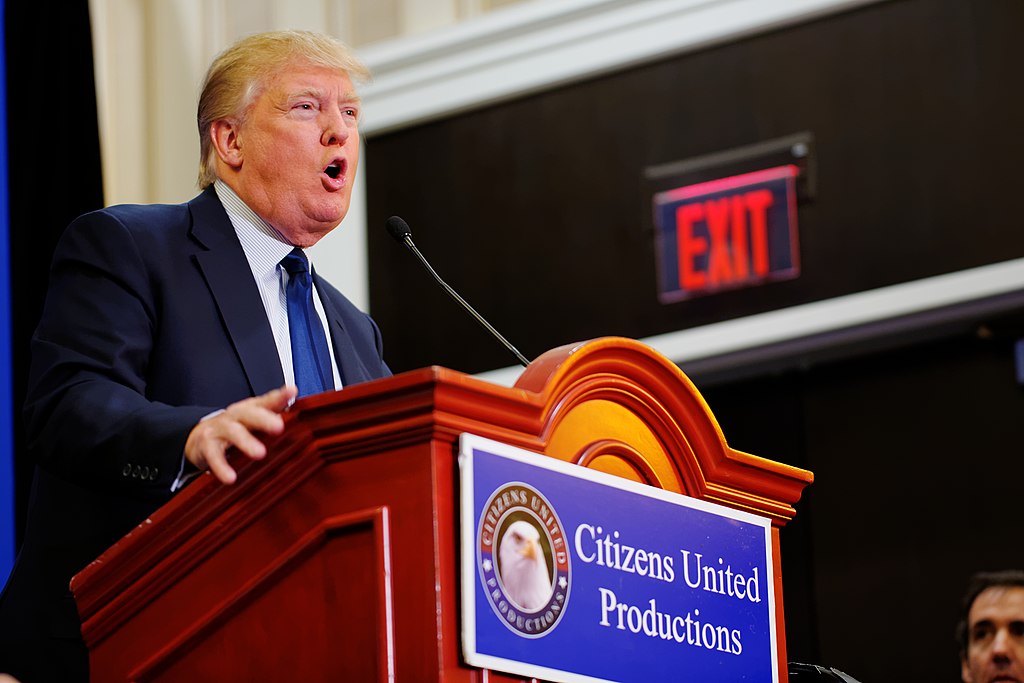
Donald Trump has ramped up his rhetoric on election integrity, vowing that if he wins the 2024 presidential race, he will impose long-term prison sentences on individuals caught engaging in election fraud. The former president's latest promise underscores his ongoing claims that the electoral process in the United States has been compromised, and it reflects his broader strategy of making election security a central focus of his campaign.
Speaking to supporters at a recent rally, Trump emphasized that safeguarding the 2024 election from fraud and interference would be a top priority in a second term. His pledge to introduce harsh penalties, including extended prison sentences for anyone found guilty of cheating, is designed to appeal to a base that has been highly vocal about concerns over election transparency and voter fraud since the 2020 election.
While Trump continues to assert that widespread fraud occurred in 2020—a claim widely debunked by multiple audits, recounts, and legal challenges—his focus on election security has remained a potent rallying point for his supporters. This latest vow reflects his determination to address these concerns head-on by proposing severe punishments for those involved in tampering with the electoral process.
Legal experts have raised questions about the feasibility and potential implications of such a move. While election fraud is already a federal crime, punishable by fines or imprisonment, Trump's call for even harsher sentencing represents an escalation in his approach to combating what he describes as a threat to democracy. Critics argue that introducing stiffer penalties may risk politicizing the issue further, potentially undermining public trust in the fairness of elections.
Nonetheless, Trump’s hardline stance on election security resonates strongly with his base, many of whom remain deeply skeptical of the electoral process. By promising long-term prison sentences for those caught cheating, Trump is positioning himself as the candidate who will restore faith in elections and protect the integrity of the voting system.
Election experts, however, point out that incidents of voter fraud in U.S. elections are exceedingly rare, a point backed by numerous studies and investigations. Despite these findings, Trump’s claims about the 2020 election have continued to influence the political landscape, with many Republican lawmakers adopting stricter voting laws and regulations in states across the country.
Trump’s pledge to impose tougher penalties for election fraud also raises questions about how such laws would be enforced and who would be tasked with determining what constitutes “cheating” in an election. Given the heightened polarization surrounding the issue, some worry that these measures could be used to target political opponents or suppress voter participation.
As the 2024 campaign intensifies, Trump's focus on election integrity is expected to remain a central theme of his platform. His promise to hold accountable anyone who attempts to manipulate the vote plays directly into the fears of a significant portion of his base, while also setting the stage for what could be a highly contentious election cycle.







