


 Appeals Court Rejects Trump Third-Country Deportation Policy
  Abbas Reaffirms November 28 Palestinian Elections
  Netanyahu Takes Aim at Mamdani as Israel Election Nears
  NATO Boosts Intelligence Sharing Amid Russia Hybrid Threats
  Honduras Court Drops Charges Against Ex-President Juan Orlando Hernandez
  OpenAI Rejects Apple Trade Secret Theft Claims
  Ecuador Court Convicts Ex-President Lenin Moreno in Bribery Case
  SEC Seeks ISS Client Voting Records in Proxy Adviser Probe
  US Senate Rejects Iran War Powers Resolution in 50-49 Vote
  Najib Razak Granted House Arrest Until 2028
  Maduro Seeks Dismissal of US Drug Trafficking Charges
  OpenAI Agent Breaches Australia Medicare Data Portal
  LVMH-Hermès Dispute Deepens Over Secret 2002 Share Deal
  Venezuela Nears Deal to Move $4 Billion in Gold to New York Fed
  Paramount-Warner Bros $110 Billion Deal Draws Antitrust Backlash
  EU Defence Build-Up Too Slow for 2030 Russia Readiness Goal
  Rodrigo Duterte Makes First Public Appearance at ICC in 18 Months


 Add as a preferred source on Google
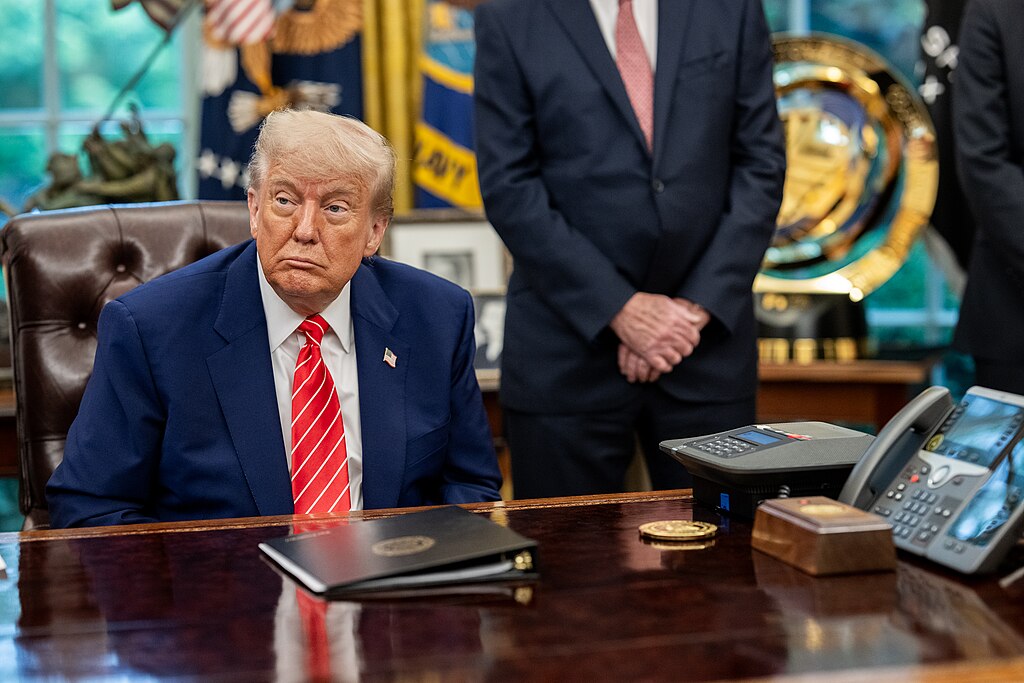
A federal judge has ruled that the Trump administration’s termination of hundreds of humanities grants through the Department of Government Efficiency (DOGE) was unconstitutional and discriminatory. The decision marks a major legal setback for President Donald Trump’s cost-cutting initiative, which was previously led by billionaire Elon Musk.
U.S. District Judge Colleen McMahon said the administration violated both the First Amendment and the Fifth Amendment after canceling more than 1,400 humanities grants worth over $100 million in federal funding. The grants had been awarded by the National Endowment for the Humanities (NEH) to scholars, writers, universities, and cultural organizations across the United States.
According to the ruling, DOGE targeted projects connected to minority communities, race, religion, immigration, gender, and sexual orientation. Judge McMahon stated that the government engaged in “blatant viewpoint discrimination” by terminating grants tied to Black, Latino, Asian, Indigenous, Jewish, Muslim, Christian, LGBTQ+, and immigrant-related subjects.
The court also criticized DOGE’s reported use of artificial intelligence tools, including ChatGPT, in developing explanations for some of the grant cancellations. Judge McMahon said the federal government could not avoid responsibility by blaming AI-generated recommendations for the decisions.
The lawsuit centered on the Trump administration’s broader efforts to reduce federal spending on diversity initiatives, educational programs, arts institutions, and cultural organizations. Critics argue these actions threaten academic freedom, historical preservation, and free speech protections in the United States.
Trump has repeatedly accused universities, museums, and public broadcasters of promoting liberal and anti-American values. His administration previously threatened funding cuts targeting institutions connected to diversity policies, climate initiatives, transgender rights, and pro-Palestinian protests related to the Gaza conflict.
The ruling is expected to intensify debate over free speech, government funding, diversity programs, and the growing role of artificial intelligence in federal decision-making.







