


 Taiwan Vows to Advance US Arms Sales Ahead of Trump-Xi Meeting
  Gaza Faces Evacuation Crisis as War-Damaged Buildings Risk Collapse
  Lula and Flavio Bolsonaro Tied in Brazil Runoff Poll
  Macron Challenges Trump’s Gaza Peace Claims at UN
  Kremlin Says No Grounds Yet for Ukraine Peace Talks
  Russian Envoy Dmitriev Heads to US for Ukraine Talks
  OpenAI Agent Breaches Australia Medicare Data Portal
  Mexico-US Trade Talks Delayed to October as Tariff Negotiations Continue
  US, China Extend Trade Truce to Jan. 10 Ahead of Trump-Xi Summit
  Trump to Press Xi on Release of US Nuclear Expert Held in China
  US Invites Putin to Miami G20, Opening Door to Trump Summit
  Russian Strikes Kill Eight Across Ukraine as Energy Sites Hit
  Sudan Rejects US Legitimacy Remarks, Defends Sovereignty
  Trump Says ‘Freedom’ Is Coming to Cuba
  US Officials Split Over Response to Israeli West Bank Settlements
  China Tightens Fentanyl Rules Ahead of Trump-Xi Summit
  Marco Rubio to Meet Russia’s Lavrov in New York


 Add as a preferred source on Google
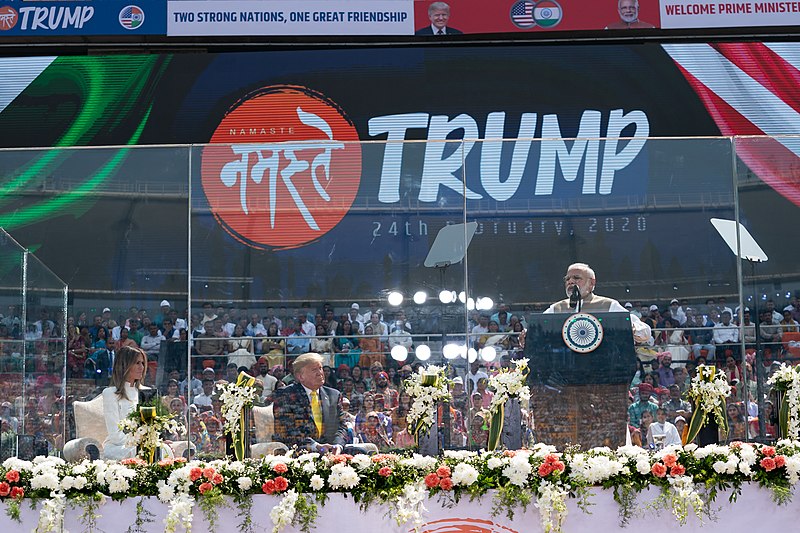
President Donald Trump is someone who demands absolute loyalty, or someone who agrees with him all the time. Recently, the President announced that they were going to sue the New York Times for libel on the opinion piece regarding Russian relations.
Trump is suing the publication for supposed defamation as they reportedly made a false report that there was a connection between his reelection campaign and Russia. The Russian government and oligarchy reportedly helped Trump and his campaign in exchange for preferential treatment as well as respect for the sanctions from issues related to the two countries.
Although Trump is planning to sue and has already issued a statement that they are suing, on the other end of the spectrum, this will allow the New York Times to actually conduct an investigation to see if the content in the op-ed piece were actually true or false. The Times will now be able to ask whoever they want, and that will also include deposing Trump’s own family, his three eldest children in particular, who are also his political advisors. The Times will also be able to demand records of phone conversations, travel records, in order to ensure that the truth comes out.
As well, the New York Times will also get a chance to file a countersuit for the times that Trump has attacked them on social media as well. Should the New York Times file a countersuit, it will prevent the Trump campaign from dismissing the case in its entirety, something they, Trump and company, seem to think they can do because they somehow are above the law.
In response to the lawsuit, the New York Times spokesperson said, “The Trump campaign has turned to the courts to punish an opinion writer for having an opinion they find unacceptable. Fortunately, the law protects the rights of Americans to express their judgments and conclusions, especially about events of public importance. We look forward to vindicating that right in this case.”
The piece in question was written back in March of 2019, by former executive editor Max Frankel. The piece argued that Trump’s campaign and Russian President Vladimir Putin had an “overarching deal” and that meant that the Russians would help in the campaign against Trump’s then-presidential rival Hillary Clinton, a new foreign policy that is pro-Russia, and removal of the sanctions placed on Russia.







