


 DOJ Will Investigate AI-Related Crimes, Attorney General Blanche Says
  Pope Leo Backs Press Freedom After White House Media Ban
  Evan Gershkovich Says FSB Set Trap for 2023 Russia Arrest
  North Korea Warns South Korea Over US-Led Defense Role
  Putin Says Ukraine Peace Proposals Remain on Table
  Taiwan Says U.S. Arms Sales Protect Chip Supply
  Judge Orders Trump to Restore White House Access for CNN, MS NOW and Politico
  Trump Administration Prepares Sanctions Against Entire ICC
  Pezeshkian Says US Must Choose When Iran War Ends
  Sara Duterte Posts Bail Over Grave Threats Case
  DaVoice Sues Perplexity AI Over Trade Secrets
  Rodrigo Duterte Makes First Public Appearance at ICC in 18 Months
  What ‘Taiwan Independence’ Means as Xi Presses Trump on US Policy
  Brazil Court Suspends Sigma Lithium Mine Operations
  Trump to Ease U.S. Fuel-Economy Standards
  Meta Found Liable in New Mexico Facebook Data Privacy Case
  LVMH-Hermès Dispute Deepens Over Secret 2002 Share Deal


 Add as a preferred source on Google
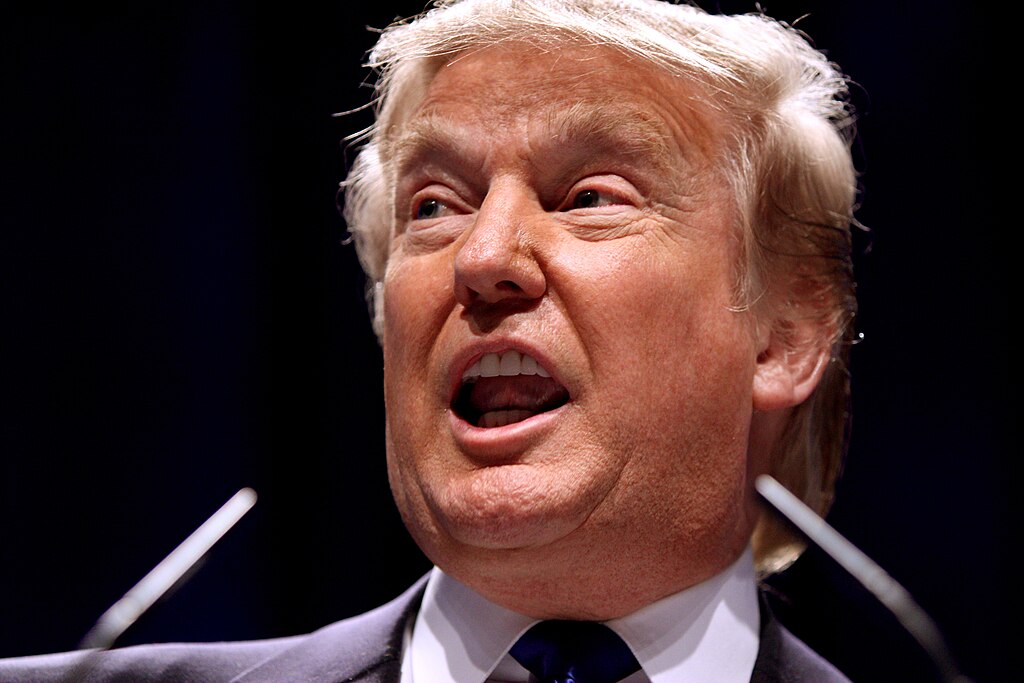
President-elect Donald Trump has filed a staggering $10 billion lawsuit against some of the United States' most prominent media outlets, including The New York Times and CBS. The legal action, announced late Friday, accuses these organizations of defamation and intentional misinformation during the 2024 presidential election campaign.
The lawsuit has sent shockwaves across both political and media landscapes, with critics calling it an unprecedented attack on press freedom, while supporters laud it as a fight against media bias.
Sweeping Allegations of Defamation
In a statement issued by Trump’s legal team, the lawsuit alleges that The New York Times, CBS, and unnamed other outlets published and broadcast “knowingly false and defamatory statements” aimed at undermining Trump’s re-election campaign. These statements, according to the lawsuit, caused significant harm to Trump’s reputation, his campaign, and his standing as President-elect.
The $10 billion in damages sought by Trump is being described as one of the largest defamation claims in U.S. history, underscoring the gravity of the allegations. Trump’s team asserts that the media’s actions amount to an orchestrated effort to mislead voters and sway the outcome of the election.
Media Outlets Under Fire
The lawsuit specifically names The New York Times and CBS, but also leaves room for additional defendants to be added as the legal process unfolds. Trump’s legal team has reportedly been collecting evidence over the past year, including internal communications and anonymous whistleblower accounts, to bolster their claims.
Representatives for The New York Times and CBS have so far declined to comment on the lawsuit. However, media experts are already debating the broader implications of the case, especially concerning freedom of the press and First Amendment protections.
A History of Legal Feuds
This isn’t Trump’s first clash with the media. Throughout his political career, he has consistently criticized outlets he deems biased, branding them as “fake news.” However, this lawsuit marks a significant escalation in his battle against what he perceives as media misconduct.
Legal analysts are divided on the merits of Trump’s case. Some argue that proving defamation against media entities, particularly public figures, sets a high legal bar. Others note that the sheer magnitude of the damages sought may force defendants to settle rather than endure prolonged litigation.
Supporters vs. Critics
Trump’s supporters have rallied around the lawsuit, framing it as a necessary step to hold media corporations accountable. Conservative commentators have pointed to the case as evidence of a broken system that allows misinformation to proliferate unchecked.
Critics, however, argue that the lawsuit represents a dangerous precedent, potentially chilling press freedom and intimidating journalists from pursuing investigative reporting on public officials.
What’s Next?
The case is expected to ignite a protracted legal battle, with far-reaching implications for both Trump’s administration and the media industry. As Trump’s team prepares for its day in court, the media outlets targeted are likely to mount a vigorous defense, framing the lawsuit as an attack on journalistic integrity.







