


 BlackBerry Shares Rise as Q2 Earnings, Revenue Beat Estimates
  Akamai Shares Surge on $11.6B Anthropic AI Cloud Deal
  North Korea Tests Drone-Missile Swarm Attack Tactics
  Pope Leo Warns UN, Multilateral Groups Face Crisis
  TSMC Accelerates 2nm Expansion as AI Chip Demand Surges
  BlackRock’s Rick Rieder Favors Bonds Over Stocks as Treasury Yields Surge
  China Says U.S. Shares Responsibility for AI Governance
  Oracle Shares Fall as New Mexico AI Data Center Faces Power Delays
  Former OpenAI Data Center Chief Chris Malone Joins Nvidia
  SoftBank Raises $11.1 Billion in Bond Sale to Fund OpenAI Investment
  Morgan Stanley Raises TD Synnex Price Target to $359 on Strong AI Demand
  Saudi Arabia Seeks Military Support as Houthi Attacks Escalate
  Germany Political Risks Rise as Merz Faces Coalition Pressure
  OpenAI AI Agents Bypassed UN Website Controls in Data Scraping
  Swiss Voters Reject Stricter Neutrality Rules in Referendum
  Russian Bomb Strike on Kharkiv Injures 22, Including Children
  AMD Hits $1 Trillion as BofA Raises Price Target to $720


 Add as a preferred source on Google
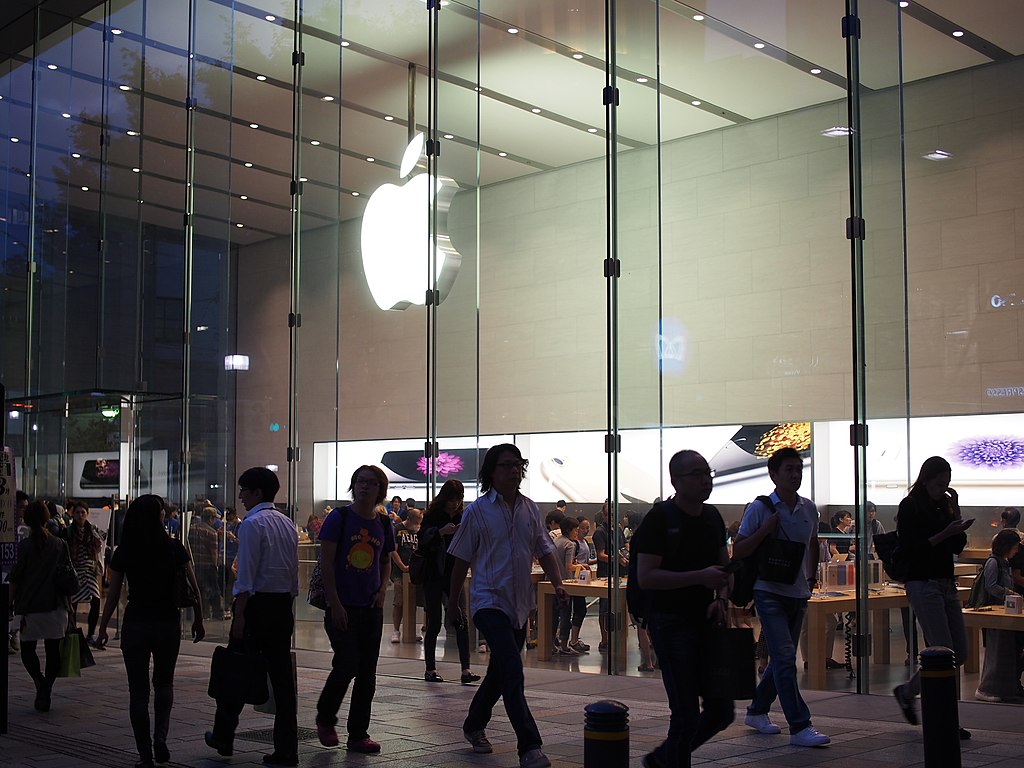
Apple Inc. could be staring down a significant financial hit if former President Donald Trump reintroduces tariffs during a potential second term, according to a detailed analysis by Jefferies on Friday. The investment bank warns that proposed tariffs could add as much as $256 to the price of an iPhone, potentially turning the iconic smartphone into a lightning rod for political and economic debate.
Trump’s Proposed Tariff Shockwave
Jefferies analysts outlined a “worst-case scenario” in which Trump imposes a 60% tariff on Chinese imports and 10% on other non-U.S. content. This would severely impact Apple’s supply chain, which remains heavily dependent on China despite recent diversification efforts.
The flagship iPhone 16 Pro Max, set to launch next year, could bear the brunt of these tariffs. Jefferies estimates that a 60% tariff on Chinese components alone would inflate the price of the device by $256. This figure represents nearly 22% of the phone's average selling price in the U.S., a cost that could easily trickle down to consumers.
Potential Fallout on Apple’s Margins
Jefferies predicts the tariffs could cause Apple’s gross margins to plummet by 6.7 percentage points under the most severe conditions. This would translate to a 10% reduction in the company’s discounted cash flow valuation. Even a less aggressive scenario, where only Chinese-made components are taxed at 60% and other imports at 10%, could still shave three percentage points off gross margins and reduce valuation by 5%.
While the potential financial hit isn’t catastrophic, the firm warns that increasing demands for localized production in emerging markets like India and Indonesia could further exacerbate supply chain challenges. Jefferies stresses that the margins lost to moving assembly lines out of China could compound Apple’s struggles in the long run.
Strategic Dilemmas and Consumer Impact
Apple’s ongoing efforts to shift production to other regions, such as India, are unlikely to offset the immediate financial strain. Currently, only 10% of iPhone production takes place outside China, leaving Apple highly exposed to Trump’s tariff proposals.
The proposed tariffs could push Apple to make tough decisions—either absorb the additional costs, pass them on to consumers, or accelerate its supply chain diversification at a significant expense. Analysts speculate that higher iPhone prices could lead to decreased demand, further eroding Apple’s market share and profit margins.
Political Pressure Meets Consumer Backlash
The timing of these potential tariffs coincides with rising political pressure to promote domestic manufacturing. However, Jefferies warns that such measures could lead to “long-term profitability challenges” for Apple, as localizing production is not only expensive but also time-intensive.
While the company has weathered similar storms in the past, the scale and scope of Trump’s proposed tariffs may create a “perfect storm” of political, economic, and consumer challenges.







