


 India's Central Bank Holds Rates Amid Iran War Energy Shock
  Oil Prices Crash Nearly 15% After Trump-Iran Ceasefire Deal
  RBNZ Holds Rates at 2.25% as Middle East Conflict Fuels Inflation Concerns
  China's Fermented Feed Push: Cutting Soybean Dependence Amid Trade War
  SpaceX Prioritizes Moon Mission Before Mars as Starship Development Accelerates
  Asian Currencies Hold Steady as Trump's Iran Deadline Rattles Markets
  Trump and Merck KGaA Partner to Slash IVF Drug Costs and Expand Fertility Coverage
  Global Markets Waver as U.S.-Iran War Deadline Looms and Oil Prices Surge
  NASA Cuts Boeing Starliner Missions as SpaceX Pulls Ahead
  Energy Prices and Dollar Climb as U.S.-Iran Conflict Grips Global Markets
  US Dollar Dips as Iran Rejects Ceasefire Amid Rising Middle East Tensions
  Trump Administration to Launch Autism Initiatives Targeting Acetaminophen Use and New Treatment Options
  U.S. Stock Futures Surge as Trump Postpones Iran Strikes, Ceasefire Hopes Rise
  Goldman Sachs Cuts 2026 Copper Price Forecast Amid Global Growth Concerns


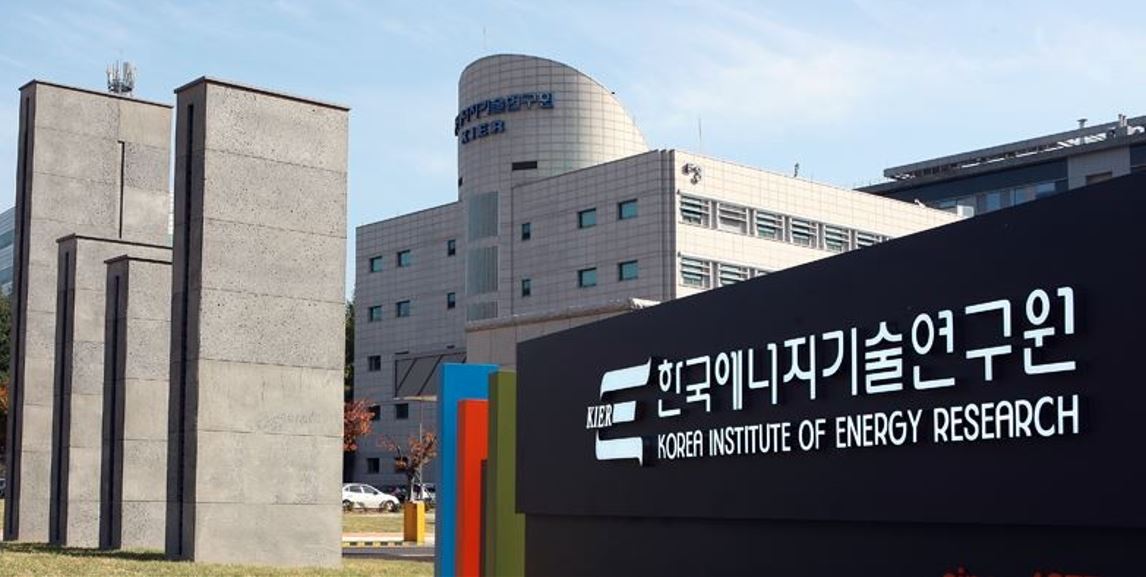
The Korea Institute of Energy Research (KIER) will invest 11.4 billion won in developing a solvent-free process that does not emit carbon dioxide in electrode manufacturing for lithium-ion batteries.
The process eliminates the 42 kilograms of carbon dioxide emitted by an electric car battery per kilowatt-hour to dry the solvent during the wet electrode manufacturing process.
KIER would be collaborating with three research institutions, two companies, and two universities over the next five years in developing devices and equipment based on the concept of dry processing.
The resulting lithium-ion battery has a 1.6 times higher energy density than existing batteries.
It’s also impossible to extend the thickness of electrode coatings up to a certain level element during the wet manufacturing process, thereby limiting energy density.







