


 Wall Street Falls as Treasury Yields Surge, Oil Rebounds on Iran Tensions
  Oil Prices Jump 3% as Houthi Attack Revives Supply Fears
  Asian Stocks Fall as Bond Yields Surge Ahead of Trump-Xi Summit
  Gold Holds Near $4,275 as Rising Treasury Yields Fuel Fed Rate Hike Bets
  European Stocks Fall as Bond Yields and Geopolitical Risks Weigh
  Soybean Futures Slip as Traders Await Trump-Xi Trade Signals
  Japanese Bank Stocks Surge as Bond Yields Fuel Rate Hike Bets
  US Stock Futures Fall as Treasury Yields Surge Ahead of Trump-Xi Summit
  Russian Envoy Dmitriev Heads to US for Ukraine Talks
  Fed Unveils Stablecoin Rules Under GENIUS Act
  Australia Unemployment Hits Five-Year High Despite Strong Jobs Growth
  Oil Prices Ease as Iran Tensions Clash With Diplomacy Hopes
  US, China Extend Trade Truce to Jan. 10 Ahead of Trump-Xi Summit
  Dollar Holds Near Two-Month High as Yen Approaches 160
  Asian Stocks Fall as Surging Bond Yields Rattle Markets
  RBI Uses $10 Billion Currency Swaps to Drain Excess Rupee Liquidity
  Asian Currencies Mixed as Dollar Holds Near Two-Month High


 Add as a preferred source on Google
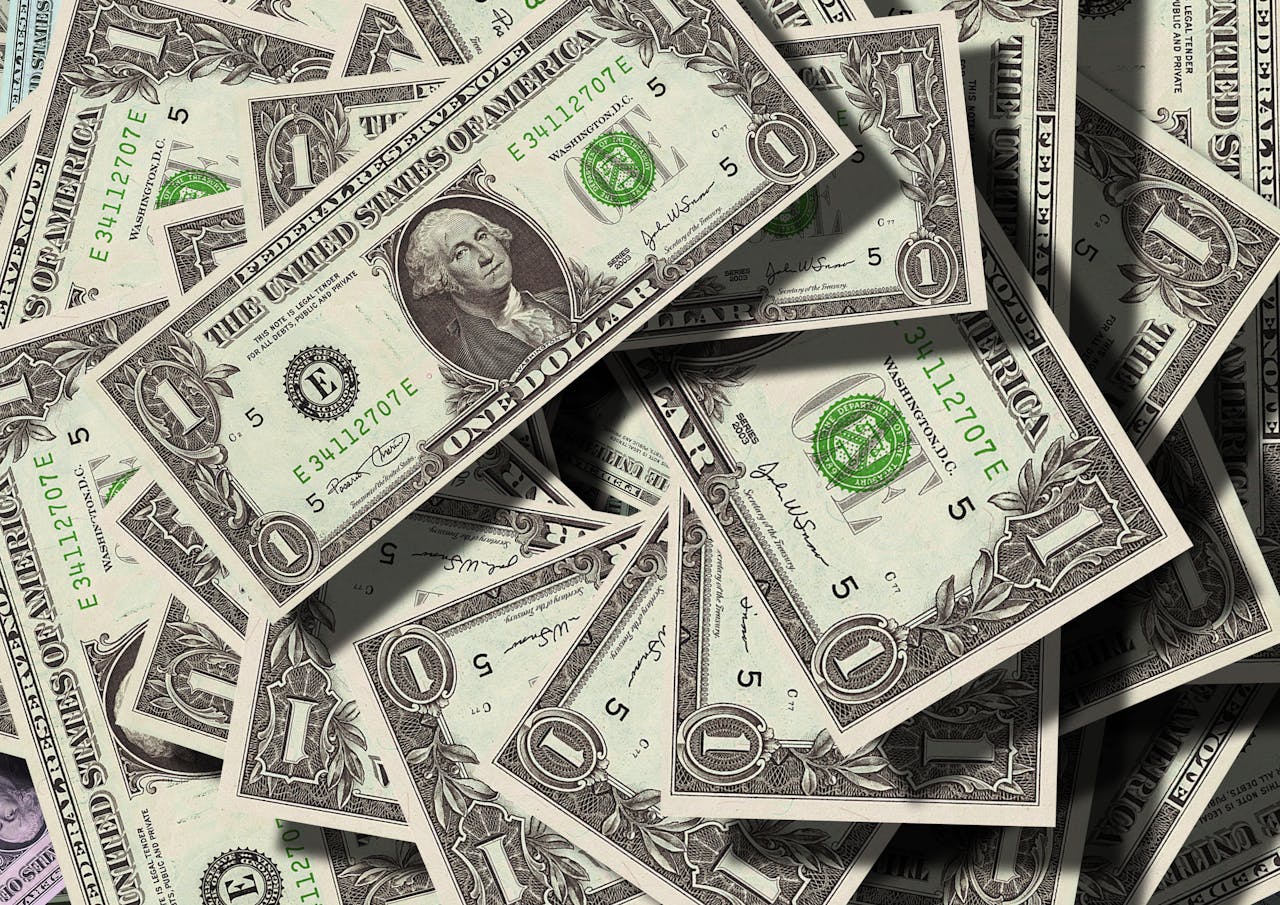
The U.S. dollar weakened on Tuesday as Asian markets reacted to renewed uncertainty surrounding President Donald Trump’s tariff policy and its potential fallout on global trade. Investors reassessed currency positions after the U.S. Supreme Court ruled that Trump’s use of a 1977 emergency law to impose tariffs exceeded presidential authority, reigniting volatility across forex markets.
The dollar index, which tracks the greenback against a basket of major currencies, held steady at 97.69 after falling as much as 0.45% in the previous session. The euro edged up 0.07% to $1.1793, while the Japanese yen slipped 0.03% to 154.71 per dollar. Market participants are closely watching USD/JPY movements after Japan’s Nikkei newspaper reported that U.S. authorities conducted rate checks in January to support the yen, signaling possible currency intervention.
Trade tensions escalated after Trump announced plans to raise a temporary tariff on U.S. imports from 10% to 15%, the maximum allowed under the law. He also warned that countries attempting to renegotiate trade deals following the Supreme Court ruling could face even steeper duties. According to the Wall Street Journal, Washington is considering additional national security tariffs targeting sectors such as industrial chemicals, large-scale batteries, power grid equipment, and telecom infrastructure.
The European Parliament postponed a vote on the European Union–U.S. trade agreement, while Japan requested assurances that new U.S. tariff measures would not disadvantage Tokyo compared to last year’s deal.
Broader market sentiment remains fragile as investors weigh artificial intelligence investment sustainability, persistent inflation concerns, and Federal Reserve policy signals. The Fed is widely expected to keep interest rates unchanged until at least June, with policymakers monitoring upcoming labor market data.
In currency markets, the Australian dollar rose 0.1% to $0.7061, and the New Zealand dollar gained 0.08% to $0.5961. In cryptocurrencies, bitcoin climbed 0.6% to $64,961.86, while ether advanced 0.2% to $1,866.88, reflecting cautious but resilient investor appetite.







