


 Fed Unveils Stablecoin Rules Under GENIUS Act
  U.S. Dollar Hits Two-Month High as Oil, Treasury Yields Surge
  Dollar Holds Near Two-Month High as Yen Approaches 160
  Japan Private-Sector Growth Slows as Domestic Demand Weakens
  US Comfortable With Canada Trade Standoff as Import Bans Loom
  Fed’s Hammack Says Bond Yield Surge Is Not Driven by Inflation Fears
  Russian Envoy Dmitriev Heads to US for Ukraine Talks
  Gold Holds Near $4,275 as Rising Treasury Yields Fuel Fed Rate Hike Bets
  US Stock Futures Fall as Treasury Yields Surge Ahead of Trump-Xi Summit
  Australia Unemployment Hits Five-Year High Despite Strong Jobs Growth
  US 10-Year Treasury Yield at 6% Emerges as New Market Risk Threshold
  China’s ‘Lipstick King’ Says AI Won’t Replace Livestream Hosts
  European Stocks Fall as Bond Yields and Geopolitical Risks Weigh
  Japanese Bank Stocks Surge as Bond Yields Fuel Rate Hike Bets
  Soybean Futures Slip as Traders Await Trump-Xi Trade Signals


 Add as a preferred source on Google
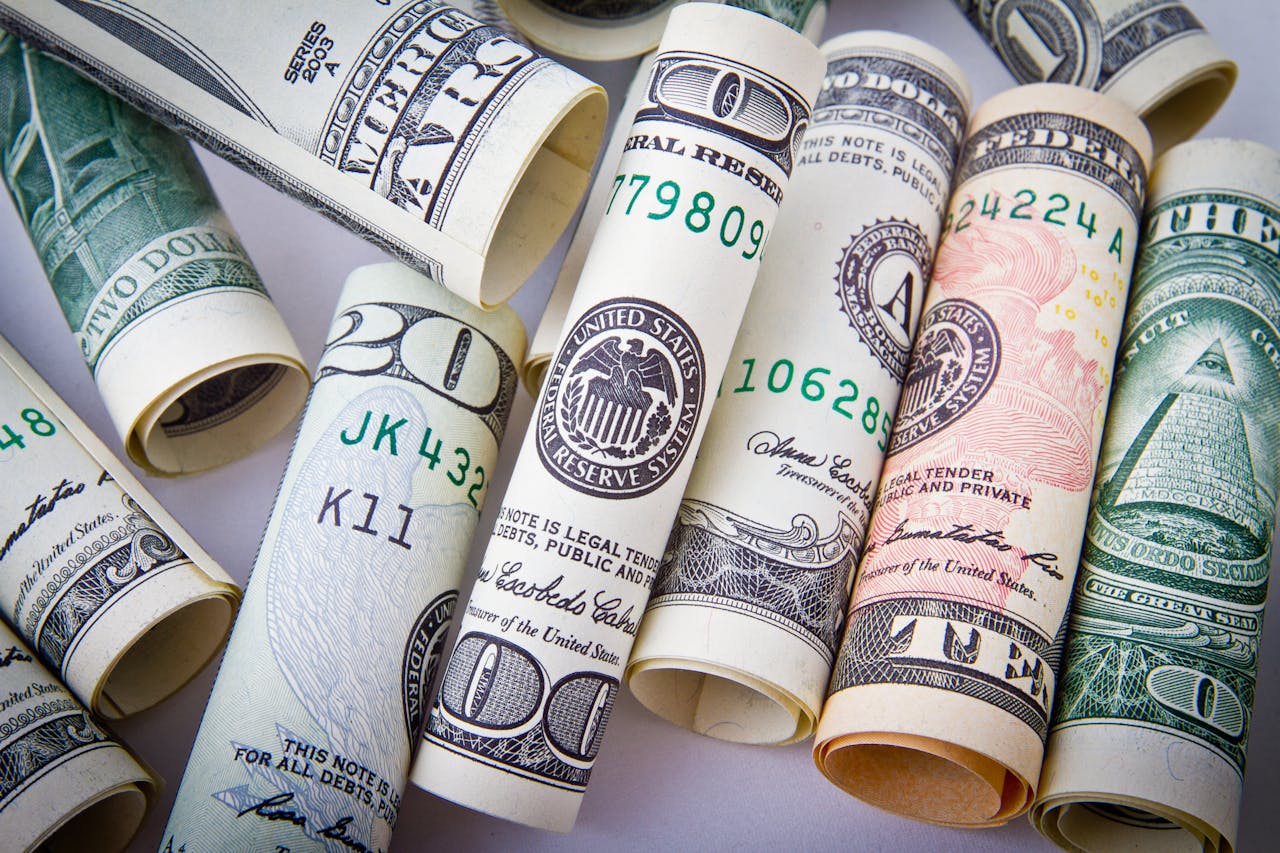
The U.S. dollar remained under pressure on Tuesday after reports that the Trump administration has opened a criminal investigation into Federal Reserve Chair Jerome Powell, a move that has intensified concerns about the independence of the central bank and broader confidence in U.S. financial assets. The news, which surfaced late Sunday, marked a significant escalation in President Donald Trump’s long-running criticism of the Federal Reserve and its interest rate policy.
Market reaction has so far been cautious but clearly negative for the greenback. Investors trimmed exposure to the dollar and U.S. Treasuries, while some capital flowed into traditional safe-haven assets such as gold and the Swiss franc. Analysts noted that the selloff was relatively mild compared with the sharp market turmoil seen after the administration’s sweeping tariff announcements earlier this year, suggesting investors may still believe the situation could ease.
The euro held firm near $1.166, while the British pound traded around $1.346, both maintaining gains from the previous session. The Swiss franc strengthened modestly, reflecting demand for safety, and the dollar index hovered near 98.9 after recording its weakest daily performance in three weeks. Strategists said the outlook for the dollar remains mixed, as resilient U.S. economic data argues against aggressive rate cuts, even as political pressure on the Fed could eventually push policy in a more dovish direction.
Despite the controversy, expectations for two Federal Reserve rate cuts later this year remain largely unchanged. However, the investigation has raised longer-term questions about central bank autonomy, a core pillar of U.S. economic credibility. Fitch Ratings reiterated that Federal Reserve independence is a key factor supporting the United States’ AA+ sovereign credit rating.
U.S. Treasury yields edged slightly lower, with the 10-year yield near 4.17% and the two-year yield holding close to recent highs. Meanwhile, currency markets elsewhere told a different story, as the Japanese yen weakened sharply. Speculation about a snap election and potential policy loosening in Japan pushed the yen to a one-year low against the dollar, adding to pressure on Japanese government bonds.
Overall, global markets are closely watching political developments in both Washington and Tokyo, as concerns over policy independence and fiscal direction continue to shape currency and bond market sentiment.







