


 South Africa Eyes ECB Repo Lines as Inflation Eases and Rate Cuts Loom
  RBI Holds Repo Rate at 5.25% as India’s Growth Outlook Strengthens After U.S. Trade Deal
  Singapore Budget 2026 Set for Fiscal Prudence as Growth Remains Resilient
  Japan Economy Poised for Q4 2025 Growth as Investment and Consumption Hold Firm
  BOJ Rate Decision in Focus as Yen Weakness and Inflation Shape Market Outlook
  U.S.-India Trade Framework Signals Major Shift in Tariffs, Energy, and Supply Chains
  Gold Prices Fall Amid Rate Jitters; Copper Steady as China Stimulus Eyed
  Dollar Near Two-Week High as Stock Rout, AI Concerns and Global Events Drive Market Volatility
  China Extends Gold Buying Streak as Reserves Surge Despite Volatile Prices
  Asian Markets Surge as Japan Election, Fed Rate Cut Bets, and Tech Rally Lift Global Sentiment
  Bank of Japan Signals Readiness for Near-Term Rate Hike as Inflation Nears Target


The data surely aren't bringing sighs of relief to any Fed officials wondering if they might have jumped the gun in December. 3Q GDP growth had already dropped to 2% (QoQ, saar) before they pulled the trigger and the higher frequency data released since then have run sideways-to-southerly. Core capex orders fell by four ticks, November over October, and thus continue their nogrowth trajectory of the past 3.75 years. The picture of zero growth in core capex remains the most obvious emblem of weak demand that continues to characterize the economy overall. Businesses may be willing to put labor back onto factory floors but few are shelling out hard cash on hard equipment while demand growth remains as modest as it is.
Consumption doesn't look like it will force a change anytime soon. The three tick rise in November (in real terms) isn't much juxtaposed against October's contraction - growth in the fourth quarter overall will drop to 2% (QoQ, saar) from 3% in the third quarter and 3.6% in the second. Put consumption and investment together and it points to 1.6% GDP growth in the fourth quarter, down from already low 2% growth in the third. This is not the trajectory the Fed would have wished for as it embarks on rate normalization.
Nor have the latest inflation numbers firmed. November's core PCE deflator - the Fed's favoured price gauge - rose by 0.11% (MoM, sa), precisely equal to its 3-month average rise. On-year core inflation remains at 1.3% YoY - well shy of the Fed's 2% target - with the latest 3 months of data pointing to lower on-year readings in the months ahead, not higher ones. That, too, would pressure those Fed officials who argue that higher rates now is the way to go.
The Fed made it clear back in November that the data would have to worsen substantially were normalization plans to be derailed. That hasn't happened yet. While the data are softer on the margin, expect 4 additional hikes by year end. Further drops in core PCE inflation are the main risk to this view.

- News

- Economy

- Central Banks
- Investing
- Research
- Roundups
- Digital Currency
- Insights
- Technical Analysis
- Technology
- Business
- Law
- Health
- Nature
- Fintech
- Science
- Topic
- Opinions
- ©Econometrics LLC . All Rights Reserved.
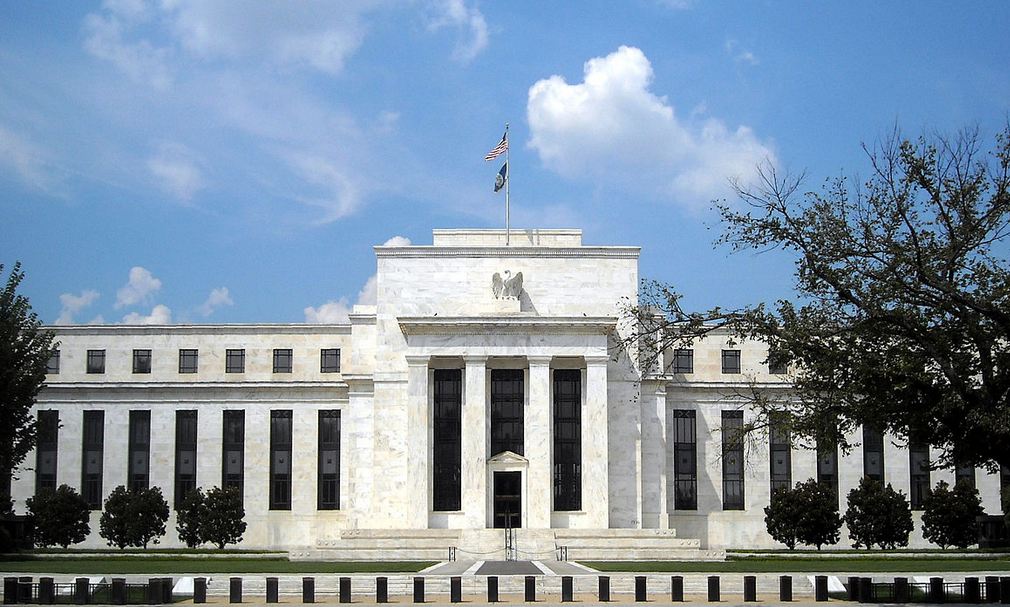
No signs of relief to Fed wondering if they might have jumped the gun in December
Monday, January 4, 2016 2:55 AM UTC
Editor's Picks









- Market Data
Most Popular


6




