


 FDA Weighs Safety Standards for Psychedelic Therapies
  NATO Boosts Intelligence Sharing Amid Russia Hybrid Threats
  Saudi Arabia, Turkey and Pakistan Plan Urgent Defence Talks Over Houthi Attacks
  US Backs Musk in Fight Against EU’s €120 Million X Fine
  Canada Unveils Bill to Fast-Track Major Resource Projects
  Ukrainian Drone Attacks Hit Russian Regions, Injuring at Least 12
  Pentagon Restarts Testosterone Testing for US Troops
  Netanyahu’s Brief US Trip Highlights Strains With Trump
  EU Agrees €6.6 Billion Military Aid Funding for Ukraine
  North Korea Warns South Korea Over US-Led Defense Role
  US Northeast Airports Resume Operations After Telecom Outage Disrupts Thousands of Flights
  Nvidia-Groq AI Chip Deal Faces U.S. Antitrust Probe
  Synthetic data could ease people’s concerns about privacy breaches. But who gets to create it?
  Najib Razak Seeks Stay of 15-Year 1MDB Prison Sentence
  China Reviews Broadcom Switch Use in State Data Centres


 Add as a preferred source on Google
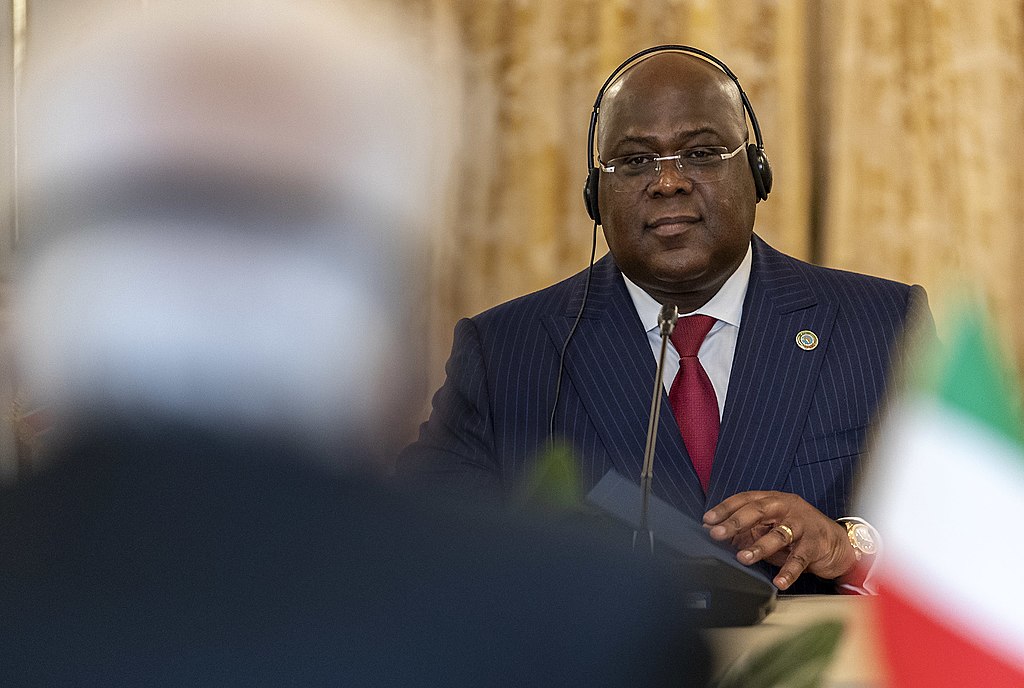
The Democratic Republic of Congo and Rwanda announced they will begin implementing key security measures on October 1 under a U.S.-mediated peace agreement, according to a joint statement issued Wednesday. The deal, first reached in Washington on September 17–18, is also backed by the United States, Qatar, Togo, and the African Union Commission. Both nations have committed to completing the measures by the end of the year, signaling progress after months of delays.
Under the agreement, operations to neutralize the Congo-based armed group Democratic Forces for the Liberation of Rwanda (FDLR) and facilitate the withdrawal of Rwandan troops will take place between October 21 and 31. The plan builds on a June 27 peace accord signed in Washington by the foreign ministers of both countries, witnessed by U.S. President Donald Trump. That earlier deal pledged to activate a 2024 framework requiring Rwanda to lift defensive measures within 90 days.
The FDLR, composed of remnants of Rwanda’s former army and militias responsible for the 1994 genocide, has been a long-standing source of tension. While Congolese officials stress that neutralizing the group requires joint operations, Rwandan leaders argue it is Kinshasa’s responsibility. Disagreements also persist over Rwanda’s alleged ties to the M23 rebel movement. U.N. experts reported in July that Kigali maintains command over M23, though Rwanda denies this, insisting its actions are defensive.
At the September meeting, both sides exchanged intelligence to shape a phased approach for disarming the FDLR, disengaging forces, and lifting Rwandan defensive measures. However, Congolese President Felix Tshisekedi emphasized at the United Nations General Assembly that Rwanda’s withdrawal and an end to support for M23 remain “non-negotiable conditions” for peace.
Meanwhile, Congo continues direct peace talks with M23 in Qatar, though an August 18 deadline for an agreement was missed. Leaders are also expected to sign a regional economic integration framework in Washington after final negotiations next week, a step aimed at boosting investment in the mineral-rich region.







