


 Cogent Biosciences Soars 120% on Breakthrough Phase 3 Results for Bezuclastinib in GIST Treatment
  China vs. NASA: The New Moon Race and What's at Stake by 2030
  Trump Signs Executive Order to Boost AI Research in Childhood Cancer
  SpaceX Delays Starship V3 Launch Ahead of Potential Record IPO
  Trump Administration to Launch Autism Initiatives Targeting Acetaminophen Use and New Treatment Options
  SpaceX Pivots Toward Moon City as Musk Reframes Long-Term Space Vision
  SpaceX Prioritizes Moon Mission Before Mars as Starship Development Accelerates
  Blue Origin’s New Glenn Achieves Breakthrough Success With First NASA Mission
  Neuralink Expands Brain Implant Trials with 12 Global Patients
  SpaceX’s Starship Completes 11th Test Flight, Paving Way for Moon and Mars Missions
  Is space worth the cost? Accounting experts say its value can’t be found in spreadsheets
  NASA's Artemis II Crew Arrives in Florida for Historic Moon Mission
  Blue Origin New Glenn Rocket Explodes During Launch Pad Test, Delaying Space Ambitions
  FDA Adds Fatal Risk Warning to J&J and Legend Biotech’s Carvykti Cancer Therapy
  Eli Lilly’s Inluriyo Gains FDA Approval for Advanced Breast Cancer Treatment


 Add as a preferred source on Google
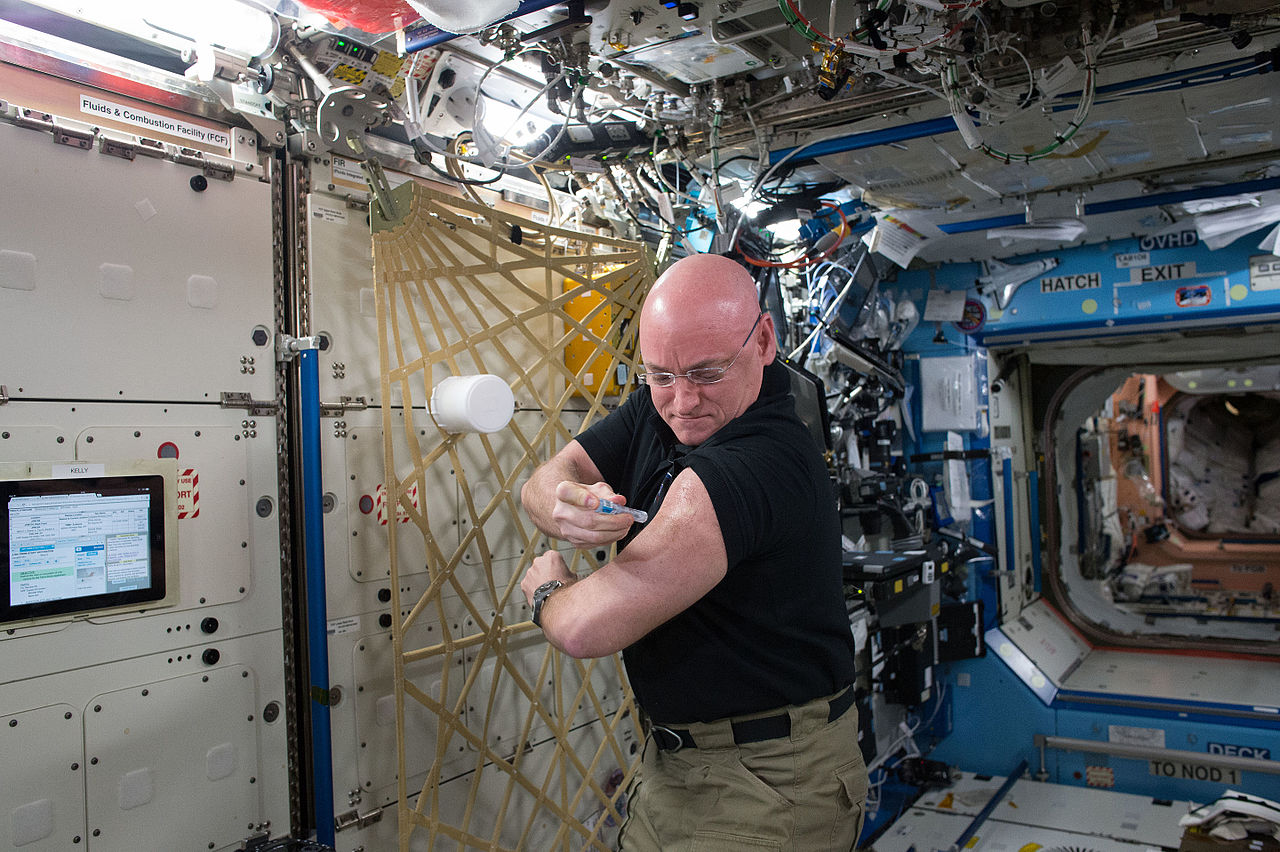
Right now, there are several initiatives both public and private that have to do with going to space or colonizing another planet. Regardless of the reasons for doing so, one of the biggest obstacles to actually developing methods of long-term habitation outside of earth is the matter of unknown changes to the body. A good example is how it has been proven that even a few months of living in space is enough to change humans at the genetic level.
There are have been numerous studies related to the changes that astronauts experience during extended missions in space. One of these studies involved twin subjects Mark and Scott Kelley who participated in a research where one spent months in space while the other stayed on earth, Futurism reports. After the period was up, scientists then compared their bodies to see what changed.
Since the twins shared genetic similarities that were the closest humans could possibly get, they were the perfect subjects to test for genetic variance and the effects of spending too much time in space. The scientists noticed several key differences between the twins’ chromosomes, bacterial presence, and even their DNA.
This is just the beginning, however, as the case of the twins is too small a sample to make any kind of solid conclusion. However, it does provide a good base for future research involving other astronauts.
As NASA also points out, there will be several stark changes in the body of humans if they stay too long in space. Among these changes is the loss of bone density thanks to the lower gravity and the reduced muscle strength.
All of these factors are going to come into play, especially for those going on the planned one-way trip to Mars in order to colonize it. Based on the evidence so far, it’s a fair bet that the volunteers will no longer be the same by the time they have achieved their goals.







