


 Netanyahu’s Brief US Trip Highlights Strains With Trump
  Pezeshkian Says US Must Choose When Iran War Ends
  Ghana Says Western Support Growing for Slave Trade Reparations
  Kremlin Says No Decision Yet on Putin-Trump December Summit
  Japan Private-Sector Growth Slows as Domestic Demand Weakens
  Gold Prices Fall as Treasury Yields Rise on Fed Rate Hike Bets
  US Senate Rejects Iran War Powers Resolution in 50-49 Vote
  Trump, Xi Focus on Trade and AI at White House Summit
  China’s ‘Lipstick King’ Says AI Won’t Replace Livestream Hosts
  US Invites Putin to Miami G20, Opening Door to Trump Summit
  US, China Extend Trade Truce to Jan. 10 Ahead of Trump-Xi Summit
  Oil Prices Ease as Iran Tensions Clash With Diplomacy Hopes
  Russian Missile and Drone Attack on Kyiv Kills Two, Damages Maternity Hospital
  European Stocks Fall as Bond Yields and Geopolitical Risks Weigh
  Dollar Hits Two-Month High as Fed Rate Hike Bets Rise
  EU Defence Build-Up Too Slow for 2030 Russia Readiness Goal
  Netanyahu Takes Aim at Mamdani as Israel Election Nears


 Add as a preferred source on Google
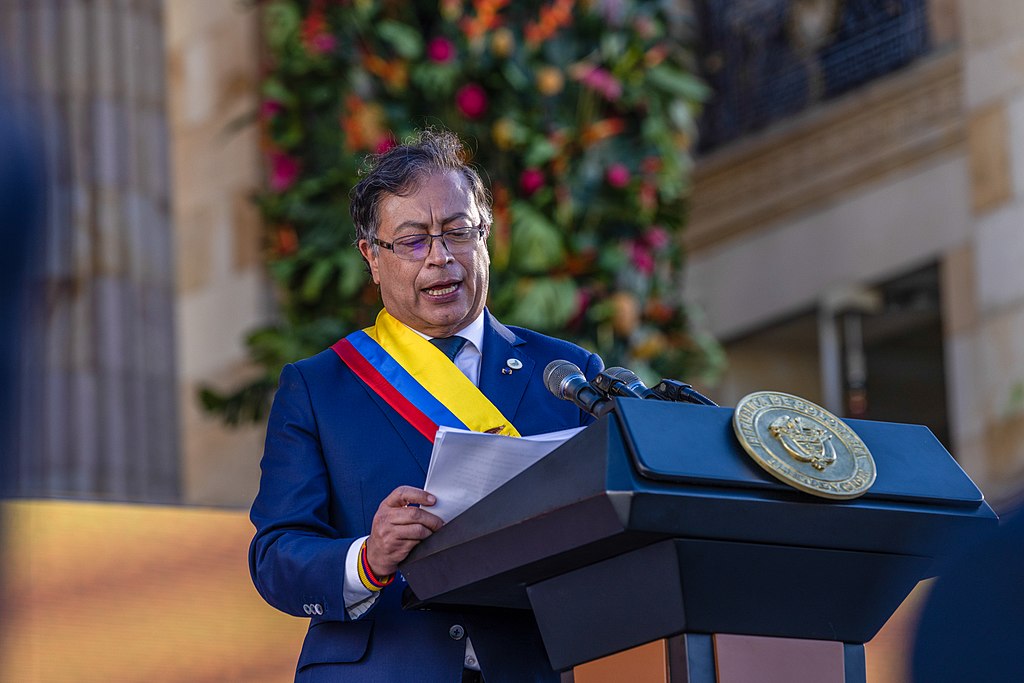
Tensions between Colombia and Ecuador have reached a breaking point after Colombia announced 100% retaliatory tariffs on Ecuadorian imports, intensifying an ongoing trade dispute between two ideologically divided governments. Colombian Trade Minister Diana Morales confirmed the decision, stating that all diplomatic channels had been exhausted and that matching Ecuador's recently imposed duties was now unavoidable.
The conflict traces back to January when Ecuadorian President Daniel Noboa, a close ally of U.S. President Donald Trump, first levied tariffs against Colombia. Noboa cited insufficient cooperation on border security and the continued flow of cocaine across their shared jungle and mountain frontier. Colombia's leftist President Gustavo Petro responded in kind, setting off a cycle of escalating trade penalties that has steadily worsened bilateral relations between the two South American nations.
The economic stakes are significant. Colombia exported approximately $1.8 billion worth of goods to Ecuador in 2025, according to national statistics data. Beyond tariffs, Colombia has already suspended energy exports to Ecuador, a critical supply that the country heavily depends on during dry seasons when hydroelectric output drops. Ecuador also relies on Colombia for essential goods including medicines and agricultural pesticides, making the trade breakdown potentially damaging to everyday Ecuadorians.
Diplomatic relations have deteriorated further following a deadly border incident last month in which 14 people were killed in explosions on Colombian soil during an Ecuadorian security operation. Ecuador denied crossing the border and said it was investigating how its explosives ended up on Colombian territory. In response to ongoing tensions, President Petro recalled Colombia's ambassador to Quito and announced that the next cabinet meeting would be held near the Ecuadorian border, a symbolic gesture underscoring the gravity of the standoff.
With no resolution in sight, the Colombia-Ecuador trade war continues to threaten regional stability and economic cooperation across South America.







