


 US 10-Year Treasury Yield at 6% Emerges as New Market Risk Threshold
  Oil Prices Ease as Iran Tensions Clash With Diplomacy Hopes
  Asian Stocks Fall as Bond Yields Surge Ahead of Trump-Xi Summit
  China’s ‘Lipstick King’ Says AI Won’t Replace Livestream Hosts
  Mexico-US Trade Talks Delayed to October as Tariff Negotiations Continue
  Gold Prices Fall as Treasury Yields Rise on Fed Rate Hike Bets
  Oil Prices Jump 3% as Houthi Attack Revives Supply Fears
  Wall Street Falls as Treasury Yields Surge, Oil Rebounds on Iran Tensions
  US Stock Futures Fall as Treasury Yields Surge Ahead of Trump-Xi Summit
  Australia Unemployment Hits Five-Year High Despite Strong Jobs Growth
  Oil Prices Surge as U.S.-Iran Diplomacy Hopes Fade
  Gold Holds Near $4,275 as Rising Treasury Yields Fuel Fed Rate Hike Bets
  South Korea, US Discuss Warship Building Cooperation
  RBI Uses $10 Billion Currency Swaps to Drain Excess Rupee Liquidity
  Asian Stocks Fall as Surging Bond Yields Rattle Markets
  Japan Private-Sector Growth Slows as Domestic Demand Weakens


 Add as a preferred source on Google
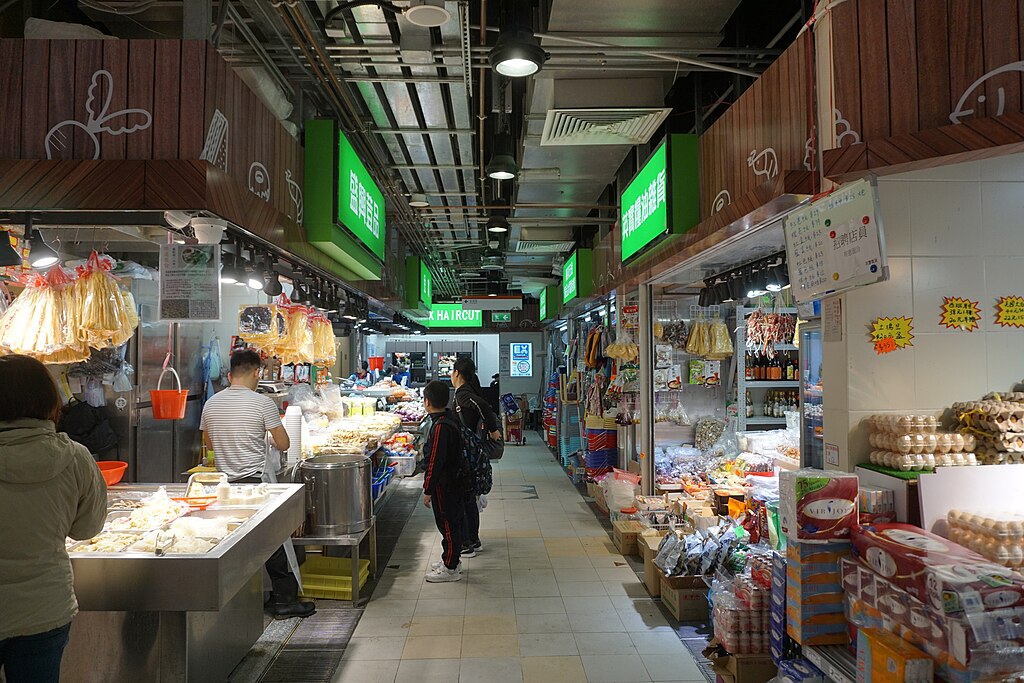
China's latest inflation figures came in below market expectations in March, highlighting the ongoing disinflationary challenges facing the world's second-largest economy. According to official data released Friday, the consumer price index (CPI) climbed 1.0% year-on-year, falling short of the projected 1.2% rise and decelerating from the 1.3% recorded in February.
On a monthly basis, consumer prices dropped 0.7%, a sharp reversal from the 1.0% gain seen the previous month and worse than the 0.2% decline analysts had anticipated. Economists attribute the weaker reading to the fading impact of Lunar New Year consumer activity, with domestic demand remaining soft despite continued government stimulus measures. The data reinforces growing concerns about subdued spending and persistent deflationary risks within China's economy.
On a brighter note, factory-gate prices showed signs of recovery. China's producer price index (PPI) rose 0.5% year-on-year in March, edging above the 0.4% forecast and swinging back from a 0.9% contraction in February. This marks the first return to positive PPI territory since September 2022, signaling a tentative improvement in upstream industrial conditions.
The rebound in producer prices is largely attributed to rising global energy costs driven by heightened geopolitical tensions in the Middle East. Supply disruptions in the Strait of Hormuz have tightened crude oil availability, pushing energy prices higher and increasing input costs for Chinese manufacturers across various sectors.
The divergence between improving producer prices and sluggish consumer inflation presents a complex challenge for Chinese policymakers. While the PPI recovery suggests some momentum at the industrial level, the lack of a corresponding uptick in consumer spending indicates that demand-side pressures remain a critical concern. Analysts will be closely watching upcoming economic indicators to assess whether Beijing's policy interventions are gaining traction in stimulating broader economic activity and sustainable price growth.







